El Niño forecast to intensify, raising extreme weather risk
El Niño is getting stronger — and the world is going to feel it. The UN World Meteorological Organization (WMO) warned Friday that intensifying El Niño conditions in the tropical Pacific are making extreme weather events increasingly likely across the globe, both now and in the months ahead.
What the WMO is saying
The WMO’s latest bulletin confirmed that El Niño, which officially developed earlier this year, is expected to strengthen through the end of 2023. Scientists are now placing a 90% probability that the event will continue through the Northern Hemisphere’s winter. That’s an extraordinarily high degree of confidence for a multi-month weather forecast, and it’s alarming climate watchers worldwide.
“We are in uncharted territory,” said a WMO spokesperson. “This El Niño is developing on top of a climate system that is already running hot due to human-caused greenhouse gas emissions, which means the impacts could be more severe than what we’ve seen in past events.”
Heatwaves and weather extremes on the rise
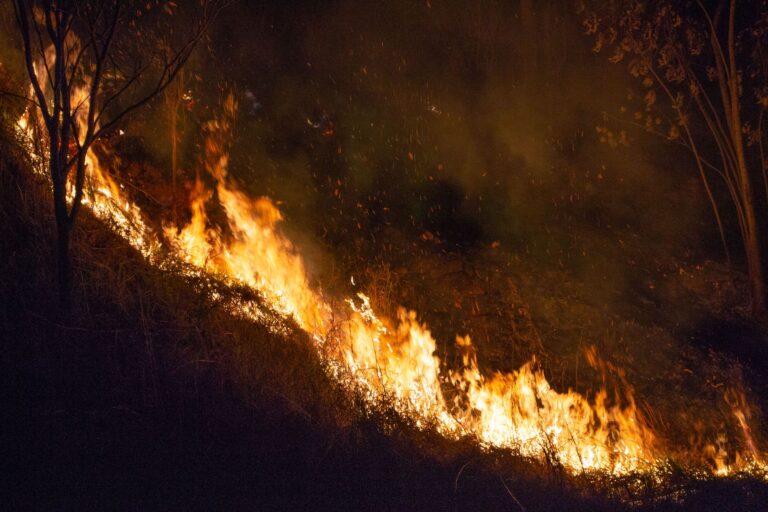
The fingerprints of El Niño are already showing up in temperature records. July 2023 was confirmed as the hottest month ever recorded in human history, with global average temperatures running roughly 1.5 degrees Celsius above pre-industrial levels for several consecutive days. Parts of North America, southern Europe, and North Africa baked under relentless heat domes. China recorded its most intense heatwave in decades. And ocean surface temperatures in the North Atlantic reached levels that shocked even veteran oceanographers.
But heat isn’t the only threat. El Niño typically reshuffles rainfall patterns dramatically, bringing drought to some regions and catastrophic flooding to others. Southern Africa, Southeast Asia, and Australia tend to dry out. Parts of South America and the southern United States, on the other hand, can expect heavier-than-normal rainfall and elevated flood risk.
A compounding crisis
What makes this El Niño particularly worrying is the baseline it’s starting from.
Scientists have spent years warning that a strong El Niño layered on top of long-term climate change could push global temperatures into territory that triggers cascading impacts — on food production, water supplies, energy demand, and public health. The WMO noted that five of the world’s warmest years on record all occurred during or immediately after El Niño events. This cycle, with background warming already accelerating, won’t be any different.
What comes next
Forecasters expect conditions to peak between November 2023 and January 2024, with the full scope of regional impacts likely becoming clearer by early next year. Governments and disaster-response agencies in vulnerable regions are being urged to act now — before the worst of the event arrives.
Still, for billions of people already enduring blistering summers and unpredictable rainfall, the warning feels less like a forecast and more like a confirmation of what’s already at their door.