
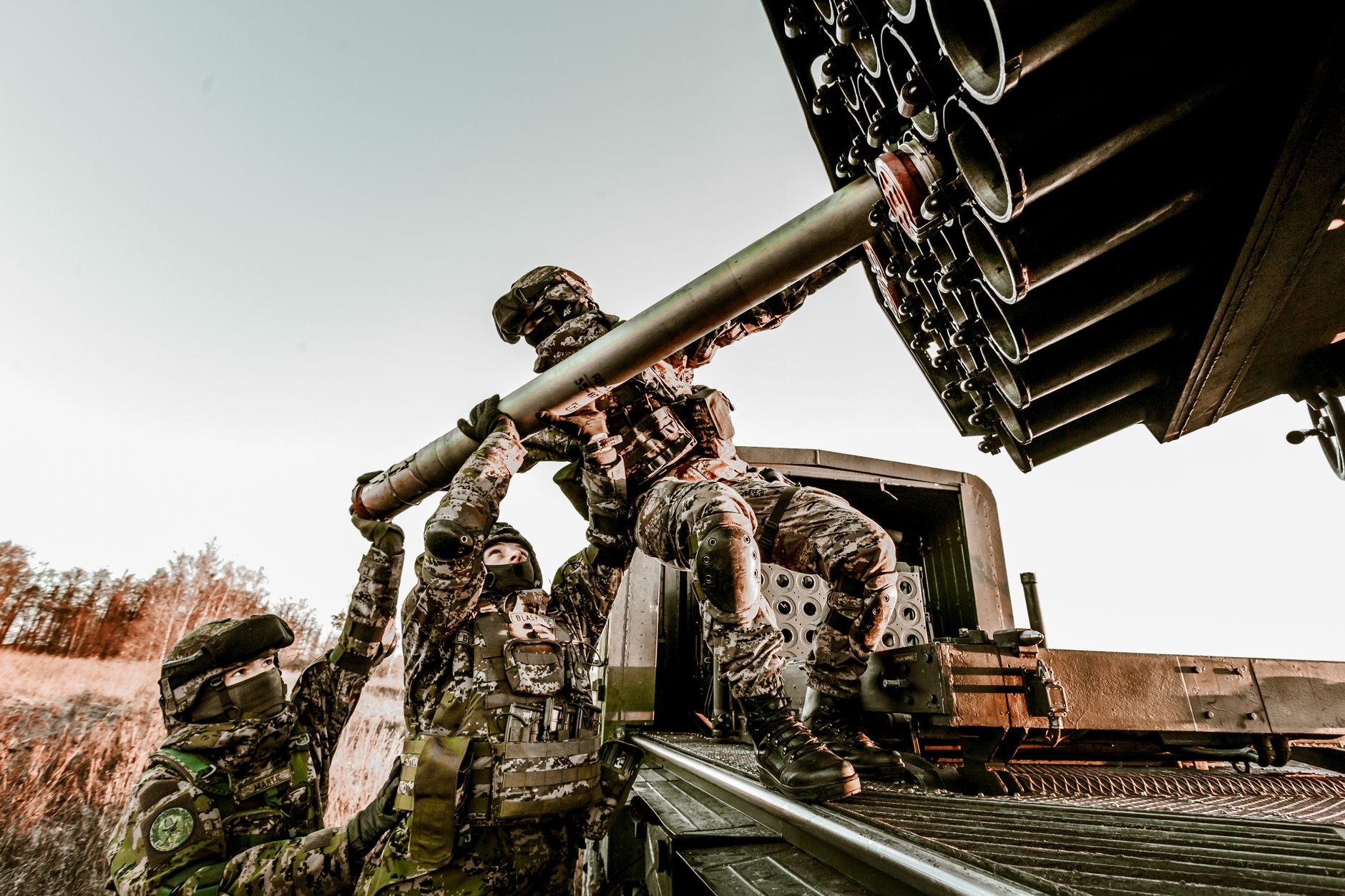
European launchers may fire US missiles under new Pentagon plan
The United States is weighing a significant shift in its defense posture that would allow European launch systems to fire American-made missiles, a move that could reshape how NATO allies coordinate their firepower on the battlefield and deepen transatlantic military integration in ways not seen in decades.
What’s on the table
Under the proposal being discussed within Pentagon and NATO circles, European rocket artillery and missile systems would be cleared to operate American munitions — including, potentially, long-range precision weapons that Washington has historically kept under tight export controls. Defense officials familiar with the talks say the discussions are still in early stages, but that the political will to move forward exists on both sides of the Atlantic. It’s a notable turnaround given years of friction over burden-sharing and technology transfer.
The core idea is interoperability. If a European launcher can fire a US Army Tactical Missile System round, or compatible precision munitions, allied forces stop worrying about which country owns which ammunition stockpile during a fast-moving conflict. That’s a battlefield advantage that military planners have wanted for years.
Why now
Russia’s war in Ukraine has scrambled a lot of old assumptions. European nations have spent the past two years scrambling to rebuild stockpiles that were run down far faster than anyone predicted. Germany, Poland, and France have all ramped up defense spending, with Poland alone committing to reach 4 percent of GDP on defense by 2026 — a figure that dwarfs the NATO baseline of 2 percent.
And yet ammunition remains the chokepoint. Factories can’t scale overnight. So allowing European systems to draw from American munitions reserves, or vice versa, solves a real logistics problem without waiting for new production lines to come online.
“This is about making sure that what we’ve invested in together actually works together when it has to,” said one senior NATO official, speaking on background because the negotiations remain ongoing.
The technical and political hurdles
Still, it’s not straightforward. US missile technology comes with strict end-user agreements and export controls governed by the International Traffic in Arms Regulations, known as ITAR. Loosening those restrictions — even for close allies — requires sign-off from the State Department, the Defense Department, and in some cases Congress. That process can take months or longer.
There are also questions about command and control. Who authorizes the shot? Under what circumstances? These aren’t just bureaucratic boxes to tick. They go to the heart of allied decision-making in a crisis.
What comes next
Formal proposals could surface at upcoming NATO defense ministerials, with some officials pointing to a possible framework agreement before the end of 2025. European defense industries, particularly in Germany and France, are watching closely — worried that greater American munitions integration could squeeze their own manufacturers out of future contracts.
But for now, the direction of travel seems clear. After years of talking about NATO integration in broad strokes, this proposal would make it concrete, round by round.