First day of Ukraine peace talks constructive, Zelensky says
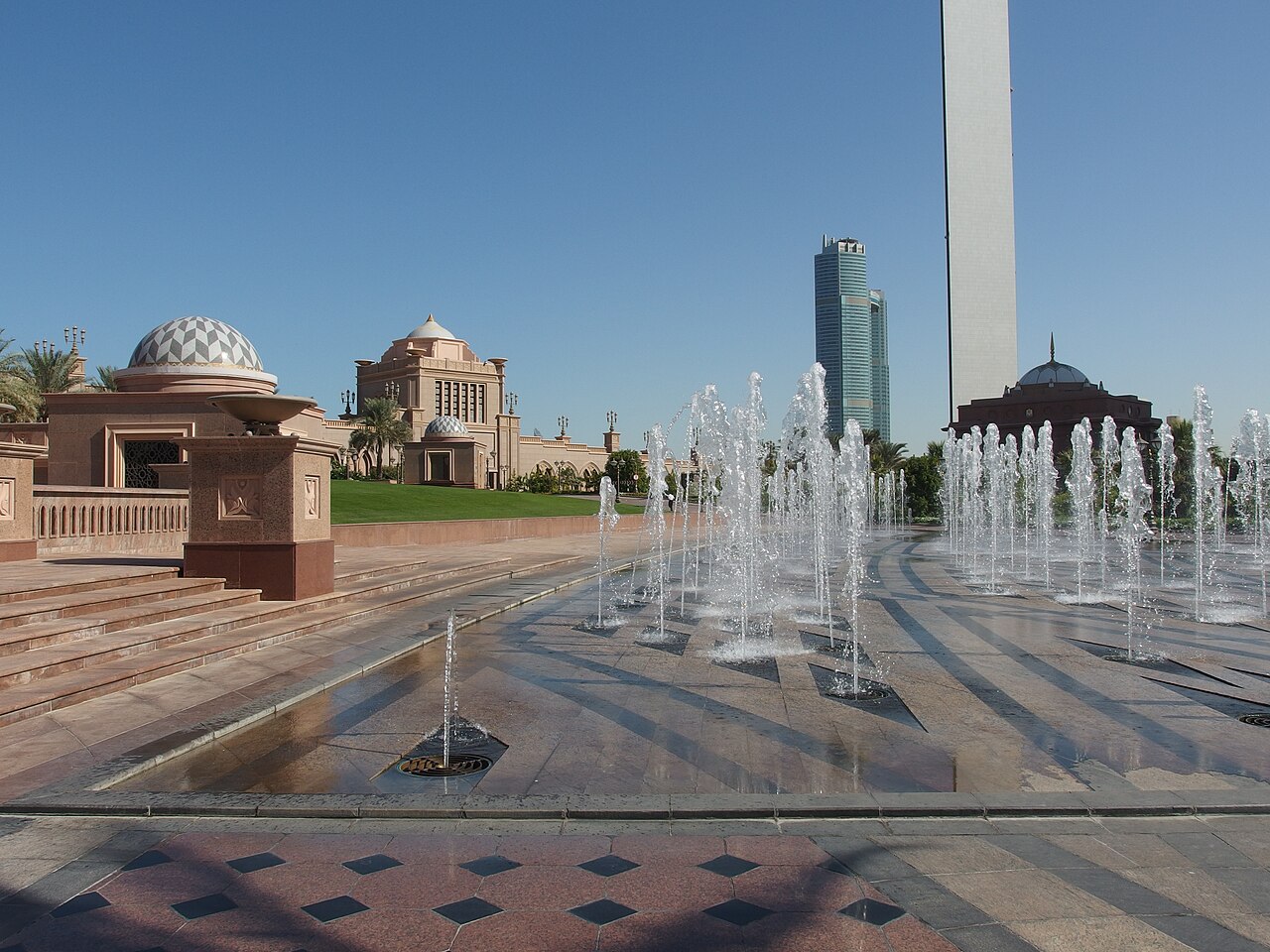
The first day of trilateral peace talks between Ukraine, Russia, and the United States concluded in Abu Dhabi on Tuesday, with Ukrainian President Volodymyr Zelensky describing the discussions as “constructive and quite substantive.” The four-hour meeting, which did not include Zelensky himself, was also called “very productive” by US Secretary of State Marco Rubio, speaking from Paris. Still, expectations for a breakthrough remain low, as Moscow and Kyiv continue to hold far apart positions on ending the war.
Humanitarian issues and prisoner exchanges discussed
Zelensky, at a news conference in Copenhagen, said the talks addressed humanitarian issues, including prisoner of war exchanges. He expressed optimism about the US approach to negotiations, stating, “I see changes. I’m very happy with what I hear.” But the Ukrainian president was not at the negotiating table; Kyiv sent senior officials from previous negotiating teams, including Foreign Intelligence Service head Rustem Umerov, Zelensky’s chief of staff Kyrylo Budanov, and MP Davyd Arakhamiya. The Russian delegation in Abu Dhabi included Kremlin aide Vladimir Medinsky, deputy foreign ministers Sergei Ryabkov and Mikhail Galuzin, spy chief Igor Kostyukov, and army general Yury Zhigarlovsky. US officials have said that Moscow and Kyiv are privately showing “a little bit of flexibility” on who controls Ukraine’s eastern regions in a postwar scenario, but neither side has publicly budged on its demands.
Territorial disputes and security architecture
The key disagreement remains Ukraine’s eastern Donetsk region, mostly occupied by Russia. Moscow demands Ukraine relinquish the parts of Donetsk it still holds, while Kyiv wants to freeze the contact line to maintain control over those areas, which it sees as crucial to future security. A US official noted that the territorial issue cannot be solved without discussions on a new “security architecture” after the war, adding, “They will not solve the Donetsk issue and the territorial issue until they know what the security architecture is going to be after the war.”
For Ukraine, that security architecture may include reassurance that allies will come to its aid if attacked again. For Russia, it could involve a longstanding ambition to see NATO roll back from Eastern Europe, a prospect alarming to Europeans. Proposed frameworks include security consultations, crisis communications hotlines, and “reciprocal de-escalation measures” between the two sides. Officials have also floated the reactivation of the NATO-Russia Council, largely paused since 2022.
European concerns and skepticism
European leaders, largely excluded from peace talks until now, have pushed to be included amid concerns that decisions on the continent’s security are being made without them. Rubio acknowledged during his Paris visit that Europeans “are a part of solving this problem for the long term.” But a US official said “the Russians have a bad taste in their mouth with the Europeans.” EU officials favor proposals including an unconditional ceasefire as a prerequisite for peace negotiations, a condition routinely rejected by Moscow. Russian Foreign Minister Sergei Lavrov said on Tuesday that a truce would just allow Kyiv to regroup, stating, “We will not agree to it.”
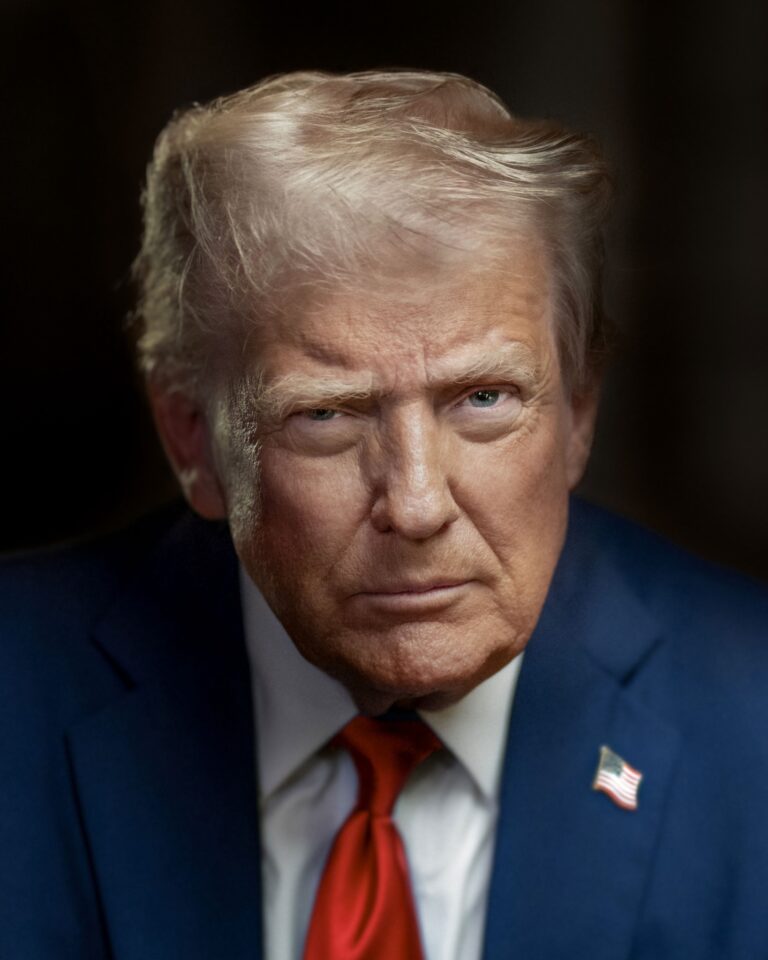
Many in Ukraine remain skeptical that US-led efforts will result in a fair peace. Ukrainian MP Oleksandr Merezhko, head of the foreign affairs parliamentary committee, told the BBC he believed Trump wanted “a quick deal at the expense of Ukraine,” certain to be rejected by Kyiv. Merezhko said the only way to make Putin start real negotiations is greater pressure on Russia through sanctions and deep strikes. The talks are expected to continue on Wednesday, with US envoy Jared Kushner saying the discussions could at most “build momentum toward the next phase of negotiations.”