Five EU capitals push to freeze voting rights for new members
Five European Union member states are calling for new countries joining the bloc to face a temporary freeze on their voting rights, a controversial proposal that’s sparking heated debate about the future of EU expansion.
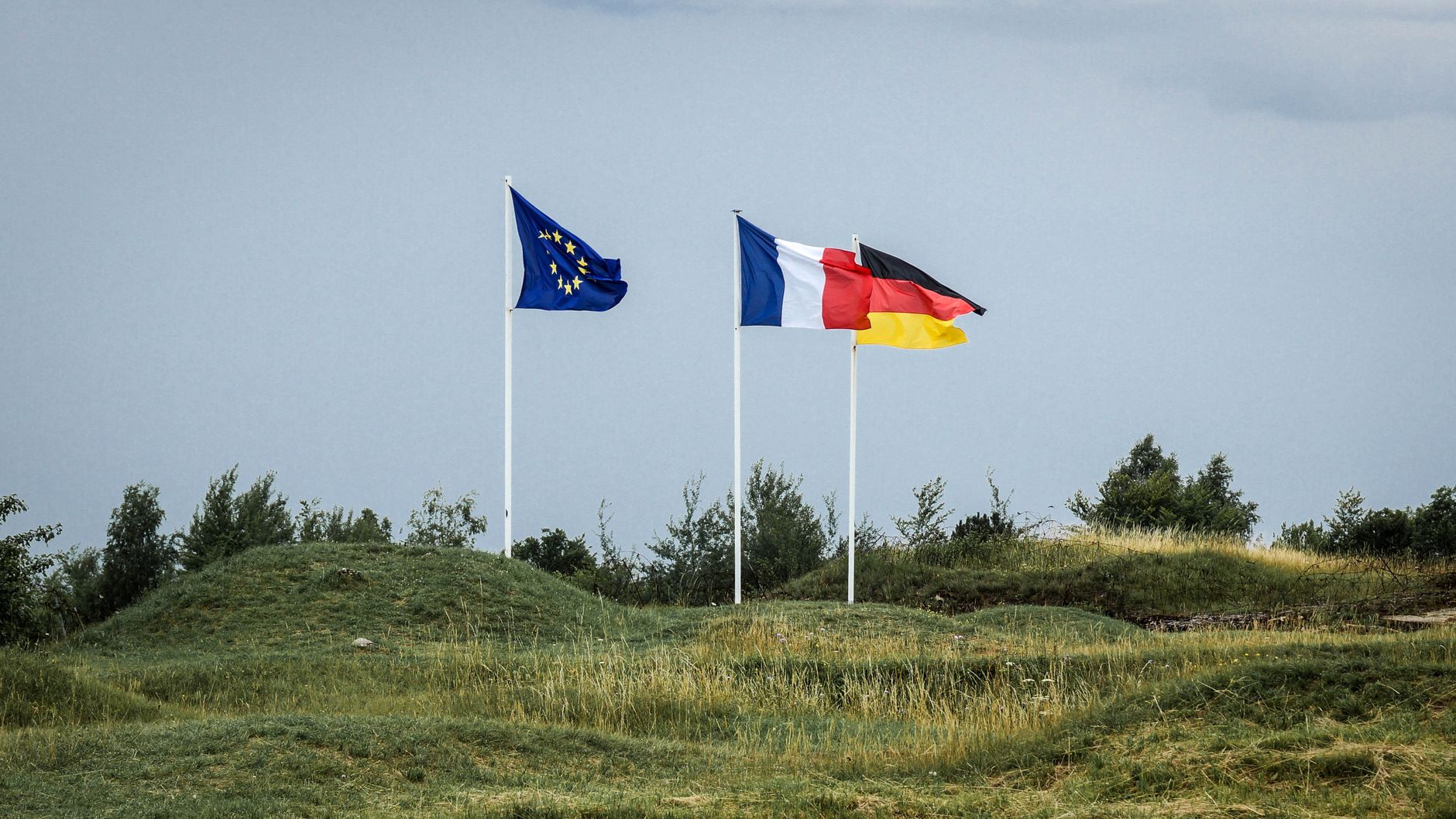
The initiative, backed by France, Germany, Italy, Spain, and the Netherlands, would strip incoming members of their full voting privileges for several years after accession. It’s a dramatic shift in how the EU has traditionally welcomed new states into its fold.
Breaking With Tradition
Under the current system, countries joining the EU immediately gain full voting rights in the European Council and other decision-making bodies. But that’s precisely what the five capitals want to change. Their proposal would create a tiered membership system, with newcomers operating in a sort of probationary period before earning complete participation rights.
The move comes as the EU grapples with potential expansion to include Ukraine, Moldova, and several Balkan nations. With nine countries currently waiting in the wings, the bloc’s existing members are getting nervous about diluted influence.
Concerns About Institutional Gridlock
Senior diplomats from the five countries argue that adding multiple new members without reforming voting mechanisms could paralyze EU decision-making. They’re particularly worried about maintaining cohesion on sensitive issues like foreign policy and defence.
“We need to ensure that enlargement doesn’t come at the cost of the Union’s ability to function effectively,” one European official familiar with the discussions said. “It’s about protecting the EU’s capacity to act.”
Yet the proposal hasn’t gone down well everywhere.
Eastern Members Voice Opposition
Poland, Hungary, and several other Eastern European states that joined during the 2004 enlargement wave are strongly opposing the plan. They see it as creating a two-tier Europe that contradicts the fundamental principle of equality among member states.
Candidate countries are even less enthusiastic. Ukraine’s government has already indicated that any form of second-class membership would be unacceptable, especially given the country’s ongoing defence of European values against Russian aggression.
The proposal also raises thorny legal questions. EU treaties currently guarantee equal rights to all members, meaning such a change would require unanimous approval from all 27 current member states – a tall order given the opposition.
So far, the five capitals haven’t specified exactly how long the freeze would last or what conditions would need to be met for full rights to be granted. Those details matter enormously and will likely determine whether the idea gains any real traction.
As the EU prepares for its next major expansion, this debate won’t disappear anytime soon. It’s forcing the bloc to confront uncomfortable questions about what kind of union it wants to be – and whether it’s willing to fundamentally change the rules that have governed membership for decades.