Iran and US trade strikes as Middle East tensions explode again
Iran and the United States exchanged direct military strikes Tuesday, obliterating a fragile pause in hostilities that had lasted less than 72 hours and sending shockwaves through regional capitals already bracing for wider conflict.
Missiles intercepted over the Gulf
US Central Command confirmed it intercepted “multiple” ballistic missiles launched from Iranian territory in the early morning hours, with officials saying the salvo included at least seven projectiles targeting American assets in the region. The interceptions were carried out by naval and ground-based defense systems operating across two separate theaters. It’s the most significant Iranian ballistic strike against US forces since the January 2024 attacks on bases in Iraq and Syria.
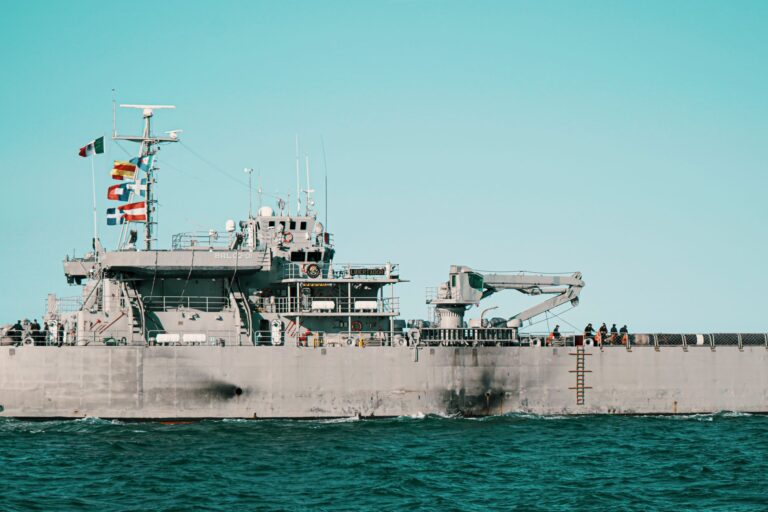
The Pentagon didn’t provide an exact location for all intercepts, but sources familiar with the operation said at least three missiles were neutralized over the Red Sea corridor, a waterway that’s already seen months of Houthi-linked disruption to commercial shipping.
Washington’s response was swift and deliberate
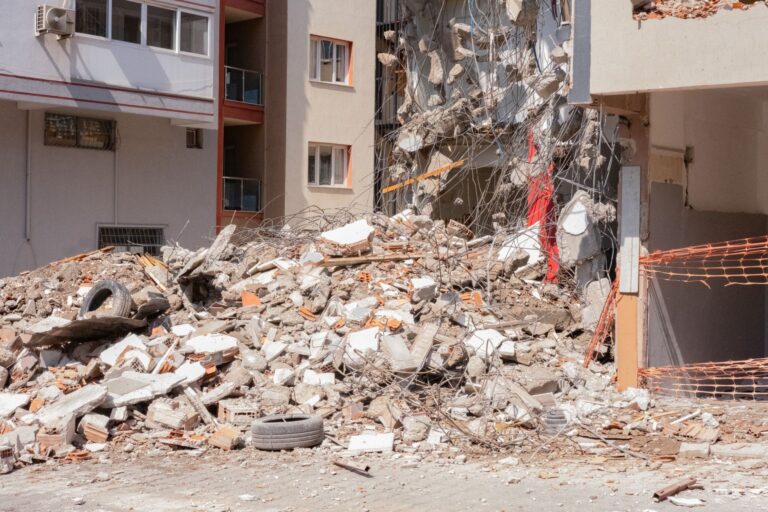
American forces struck back within hours. US aircraft and ship-launched munitions hit what CENTCOM described as “command and control infrastructure” inside Iran, along with two sites identified as ballistic missile production facilities. Satellite imagery reviewed by independent analysts appeared to show significant damage at a compound roughly 40 kilometers southeast of Tehran.
A senior US defense official, speaking on condition of anonymity, said the strikes were “proportionate and carefully scoped” to avoid civilian casualties. But critics weren’t buying it. Analysts tracking the situation noted that any strike on Iranian soil carries escalatory risks that are genuinely difficult to contain.
A lull that didn’t hold
The exchange shattered what diplomats had quietly described as a de-escalatory window. Back-channel negotiations brokered through Omani intermediaries had produced a tentative 72-hour stand-down beginning Saturday. Both governments had said nothing publicly about those talks. By Tuesday morning, it was clear the arrangement had collapsed entirely.
Neither side has confirmed direct casualties, though Iranian state media reported four military personnel wounded at one of the targeted sites.
The breakdown leaves the region in its most volatile state in years.
What comes next is far from certain
So where does this go? That’s the question every government in the region is asking right now. Israel has gone to a heightened state of alert across its northern border. Saudi Arabia issued a statement urging “maximum restraint” from all parties — careful, diplomatic language that telegraphed real alarm. Gulf states that host American bases are suddenly very exposed.
The UN Security Council is expected to convene an emergency session within 24 hours, though past sessions have produced little beyond competing statements. Still, diplomats from France and Germany were reportedly working the phones through the night trying to re-establish some form of back-channel contact.
Whether either Washington or Tehran actually wants to pull back from the brink — or whether domestic politics in both capitals now make that nearly impossible — remains the central, unresolved question hanging over everything.