Greek spectrum plan could reshape how EU funds its budget
Greece is pushing a bold proposal to partially fund the European Union’s budget through revenue generated by telecoms spectrum licensing and digital infrastructure — a move that could fundamentally redraw how Brussels finances itself in the coming decade.
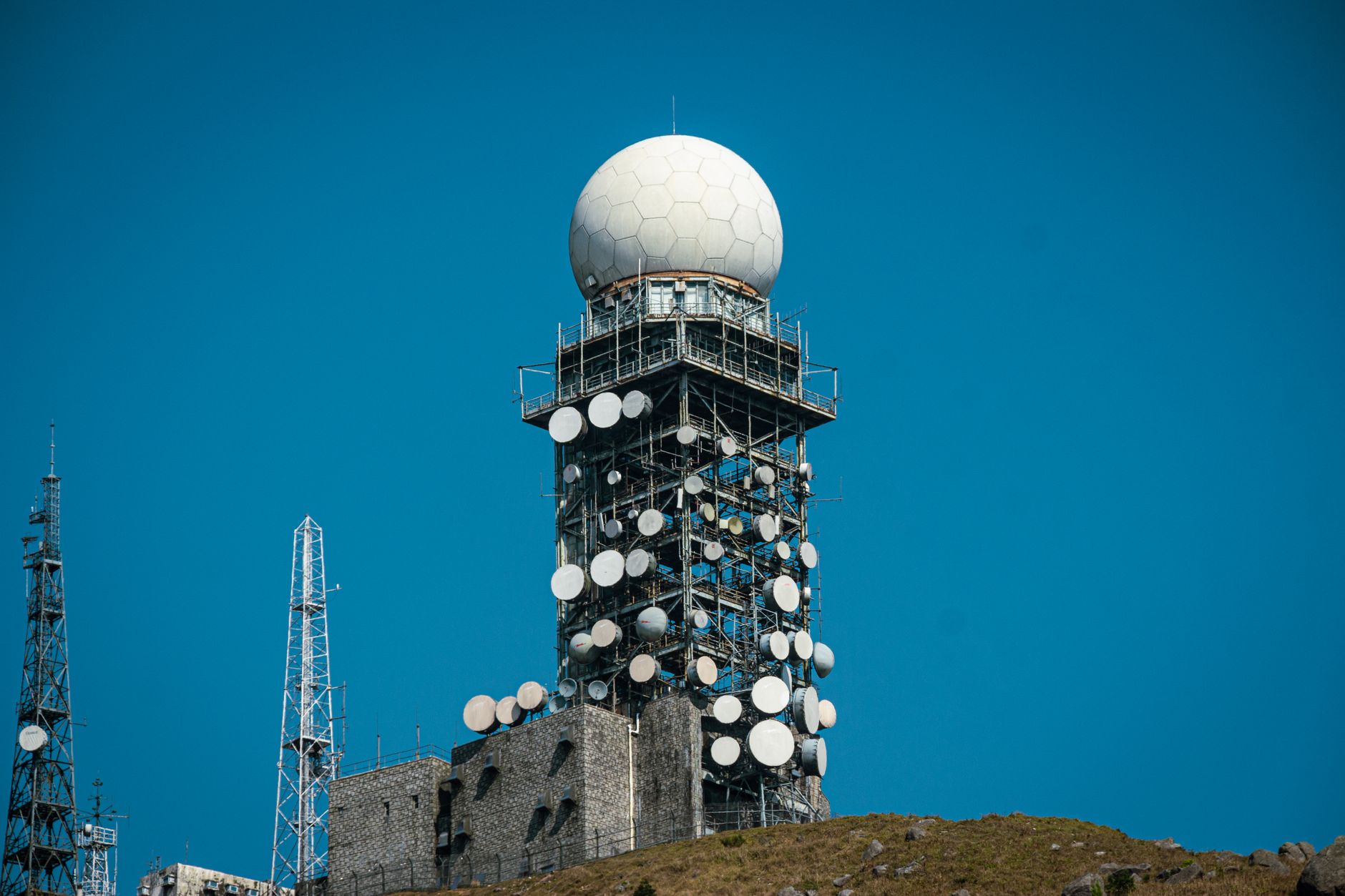
The plan, which Athens has been quietly circulating among EU member states, would channel proceeds from spectrum auctions and broadband-related fees into a dedicated EU own-resources stream. It’s an unconventional pitch, but one that’s gaining traction in a bloc desperately searching for new revenue sources ahead of the next Multiannual Financial Framework negotiations.
Why telecoms, and why now?
The timing isn’t accidental. Europe’s 5G rollout has triggered billions in spectrum auction revenues across member states — Germany alone pulled in roughly €6.6 billion from its 2019 auction. Greece’s argument is straightforward: that money already exists, it’s already flowing, and a slice of it could go directly to Brussels rather than sitting in national treasuries.
“Digital infrastructure is a genuinely European asset,” a senior EU official familiar with the discussions said. “There’s a logic to treating it as such.”
But critics warn the proposal raises thorny sovereignty questions. National governments won’t easily surrender control over spectrum revenues.
Still, with the EU’s budget under growing pressure from defense spending demands and green transition costs, Athens may have picked exactly the right moment to push this idea forward.