Hormuz ship attacks surge as oil exports recover to 81%
Rising violence in the Strait of Hormuz
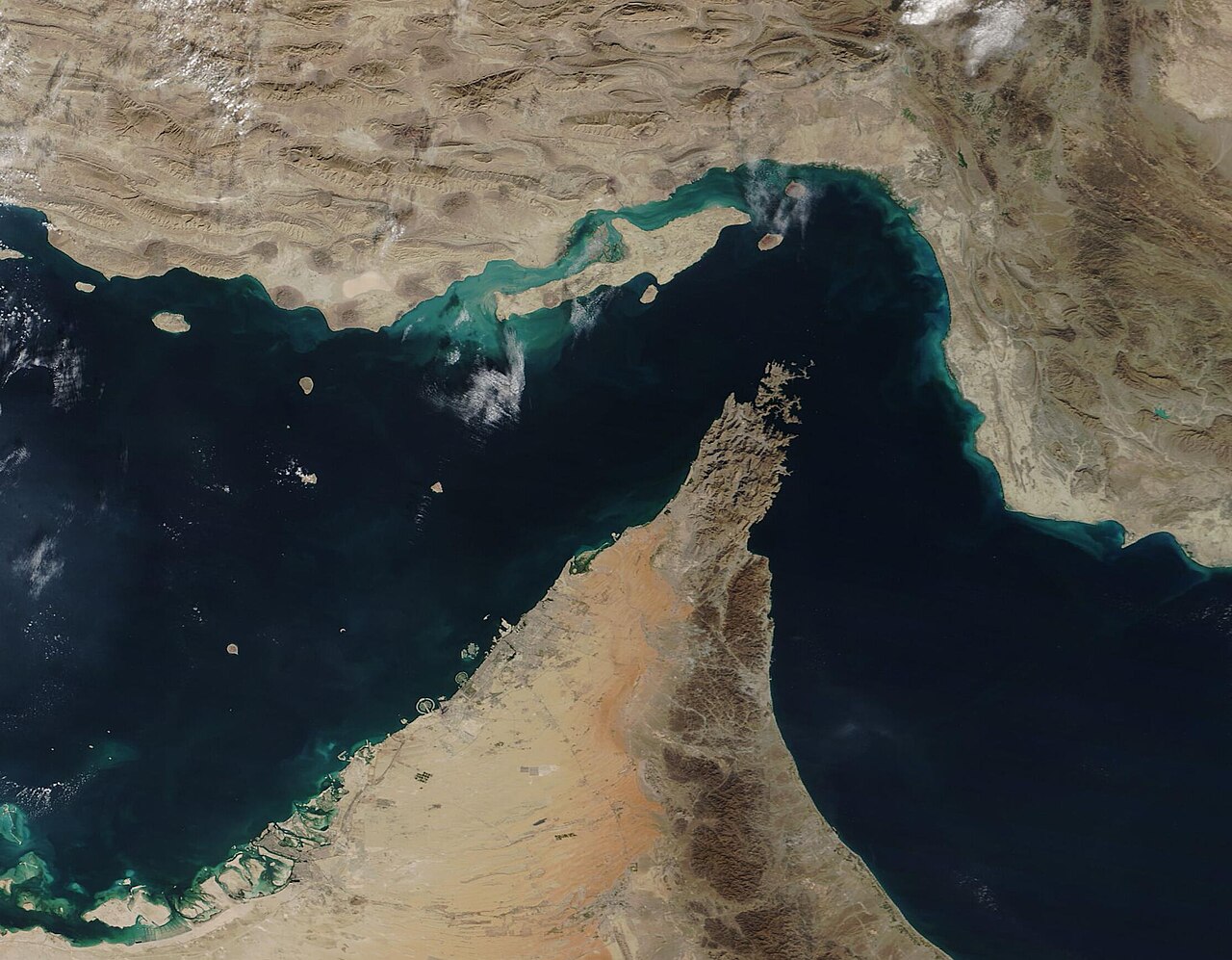
Attacks on ships around the Strait of Hormuz have surged in recent days, even as Gulf oil exports have recovered significantly. At least seven tanker incidents were reported in the past week, according to maritime security firm Marisks. On Tuesday, 12 crew members on a Panama-flagged tanker were injured by an unknown projectile while crossing the strait, India’s Ministry of Foreign Affairs said. The UK Maritime Trade Operations (UKMTO) has reported at least one attack a day in the Strait of Hormuz or Gulf of Aden since October 2.
But the violence hasn’t stopped the flow of crude. Kpler data shows Gulf oil flows, excluding Iran, recovered to more than 81 percent of pre-war levels in September. Crude exports from the wider Middle East exceeded pre-war levels on 14 days that month. The war between the US-Israel alliance and Iran began on February 28. Before that, the strait handled about 125 large commercial vessels a day, carrying around 20 percent of global crude and LNG supplies.
Creative workarounds keep oil moving
So how is the oil still getting out? The recovery is largely due to Saudi Arabia’s use of alternative export infrastructure and a complex system for moving crude around Hormuz. The Saudi East-West pipeline carries oil from eastern fields to Yanbu port on the Red Sea. But the pipeline has suffered temporary closures from drone strikes, including by Iran-backed groups in Iraq in September.
And there’s another method: ship-to-ship transfers. Smaller shuttle boats, often with transponders off, transport oil through the strait and offload onto larger tankers beyond it. Kpler estimates about 40 percent of oil exports now bypass the strait. “The increasing availability of crude oil from the Middle East is due to two factors: the effective use of the East-West pipeline by Saudi Arabia and ship-to-ship transfer around the Strait of Hormuz,” said Tamas Varga, an analyst at PVM Oil Associates.
Chris Beauchamp, chief market analyst at IG Group, noted the shuttle system is “doing wonders in getting oil out, but it requires plenty of ships.” That demand has pushed freight costs higher and reduced tanker availability elsewhere. Asian buyers are increasingly sourcing crude from further afield. “Previously a supply story, this is now one about the underlying mechanics of shipping,” Beauchamp said. “Ships don’t get built overnight.”
Is the recovery sustainable?
The numbers are impressive. Kpler’s provisional data shows a 7-day moving average for Middle East crude exports of 18.3 million barrels per day on September 30, compared to a pre-war 12-month average of about 18 million bpd. Vortexa put the 14-day moving average at 18.6 million bpd for crude and condensate. Yet oil prices remain high. Brent crude dropped 0.75 percent to $99.57 a barrel on Tuesday, and US West Texas Intermediate fell 1.2 percent to $88.37. That’s still well above the roughly $72 a barrel before the war, Varga noted, due to increased shipping and insurance costs.
But the situation is fragile. Varga warned that the flow “will be sustainable unless attacks on ships and shipping lanes or on the pipeline resume, something that does not seem imminent at the moment but could happen at any time if geopolitical tensions flare up.” He added that only a sustainable peace deal between the US and Iran and the permanent reopening of the strait would restore the pre-conflict status quo. Saudi Aramco CEO Amin Nasser said nearly 3 billion barrels of oil supply have been lost since the conflict began, and rebuilding inventories while meeting demand could take as long as two years. G7 members announced last week the release of up to 100 million barrels of strategic oil reserves, including diesel, but global inventories are already thin.