Iran-linked hackers claim FBI drone breach, threaten World Cup
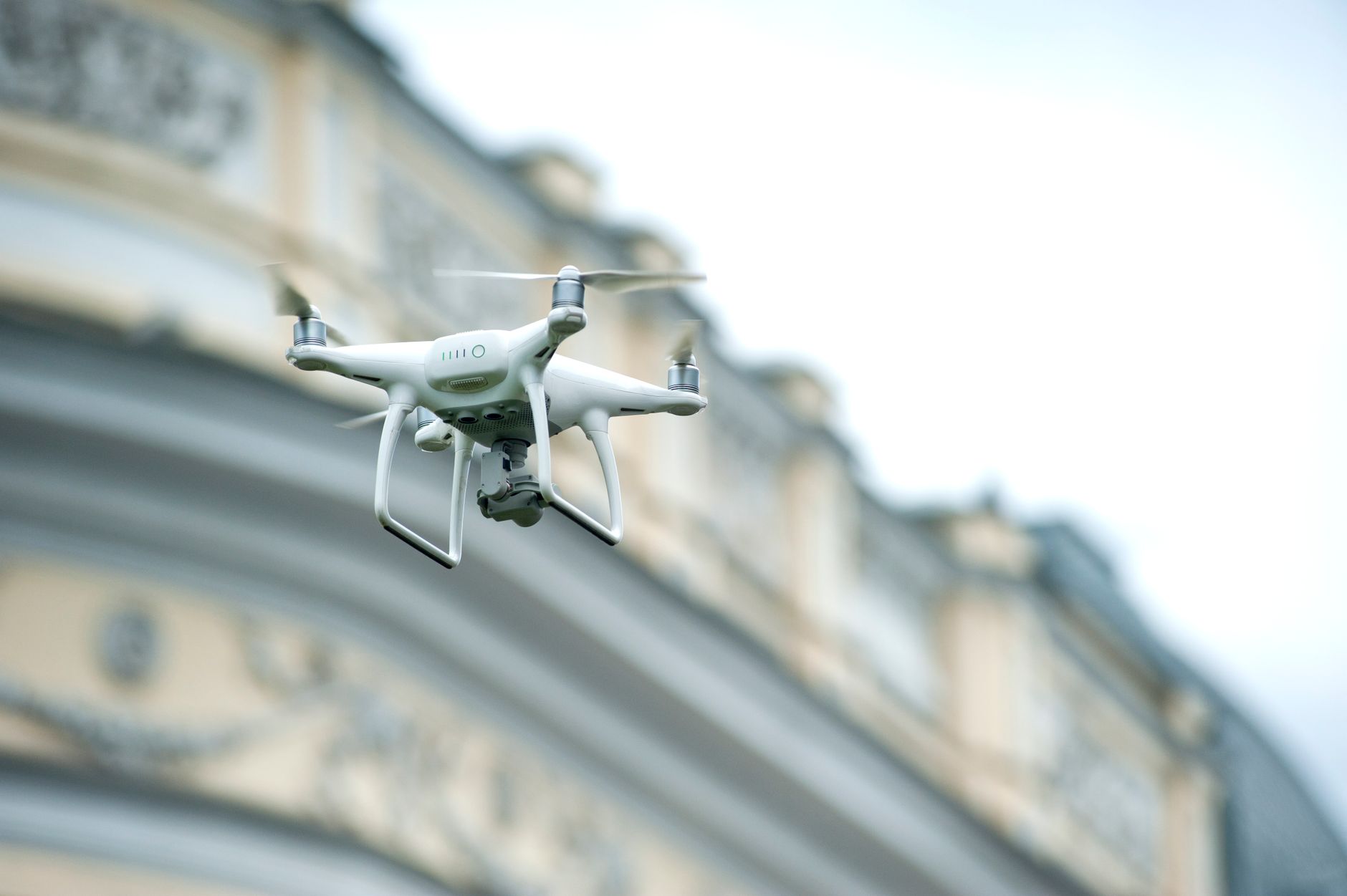
An Iran-linked hacker group has claimed responsibility for breaching FBI surveillance drones and issued threats against the 2026 World Cup, according to SITE Intelligence Group, a terrorism and extremism monitoring organization that released details of the alleged cyberattack Friday.
The group, known as Handala, reportedly posted evidence of their intrusion into federal law enforcement systems. It’s the latest in a series of increasingly brazen cyberattacks attributed to Iran-affiliated actors targeting American infrastructure and high-profile international events.
What We Know About the Breach
SITE Intelligence Group, which tracks extremist and cyber threat activity worldwide, reported that Handala published what they claim are screenshots and data from compromised FBI drone systems. The group didn’t specify how many drones were affected or what kind of sensitive information they may have accessed.
But the timing is significant. The 2026 FIFA World Cup, which the United States will co-host with Mexico and Canada, is expected to draw millions of visitors across 16 North American cities. Security planning for the tournament is already underway, with federal agencies coordinating what will be one of the largest security operations on American soil.
Growing Cyber Threat Landscape
Handala has been active for several years, primarily targeting Israeli interests. Yet their focus appears to be expanding. Previous campaigns have included website defacements and distributed denial-of-service attacks against government and corporate targets.
The group’s shift toward American infrastructure represents an escalation that security experts have been warning about.
“Any credible threat against critical infrastructure or major international events requires immediate investigation and appropriate response measures,” a Department of Homeland Security official said, speaking on condition of anonymity because they weren’t authorized to discuss ongoing security matters.
Questions Remain About Authenticity
So far, the FBI hasn’t confirmed whether the breach actually occurred. Hacker groups sometimes exaggerate their capabilities or fabricate attacks entirely to generate publicity and spread fear. Verifying such claims often takes days or weeks as investigators examine the purported evidence.
Still, even unconfirmed threats force security agencies to divert resources and reassess vulnerabilities. With 48 matches scheduled across multiple cities in 2026, World Cup organizers and law enforcement agencies are already grappling with massive logistical and security challenges.
Federal authorities will likely intensify their cybersecurity assessments of drone systems and other surveillance technology as the tournament approaches. The incident, whether confirmed or not, serves as a stark reminder that major sporting events remain attractive targets for adversaries looking to cause disruption on a global stage.