Israeli strikes in Lebanon could amount to international crimes, warns UN rights chief
UN Human Rights Chief Volker Türk has warned that Israeli strikes on Lebanon could amount to international crimes, as he concluded a two-day visit to the country on Monday with a stark assessment of the humanitarian toll now facing Lebanese civilians.
A damning verdict from Geneva’s top rights official
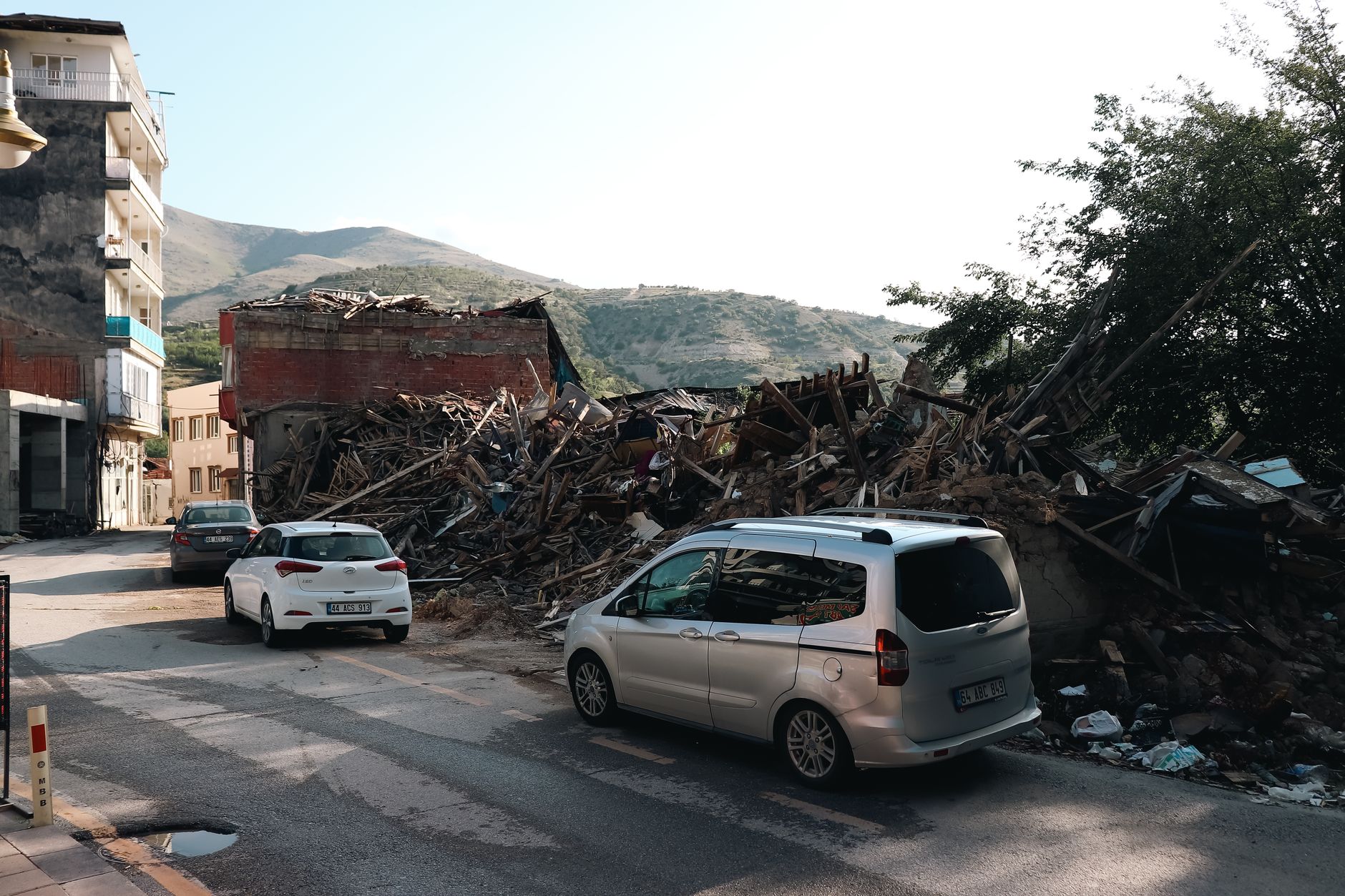
Türk didn’t mince words. Speaking after meeting with Lebanese officials, displaced families and aid workers, he said the scale and pattern of destruction he witnessed raised serious questions under international humanitarian law. Entire neighborhoods reduced to rubble. Families sleeping in cars. Schools and hospitals struck.
“What I have seen here is deeply troubling,” Türk told reporters in Beirut. “The destruction is immense, the displacement is massive, and many of the strikes I have been briefed about could amount to international crimes.”
That’s a significant statement from someone in his position — and one Israel is almost certain to reject.
Numbers that are hard to ignore
The figures are staggering. More than 1.2 million people have been displaced across Lebanon since Israeli military operations intensified in late September, according to UN estimates. Entire towns in the south have been emptied. The Lebanese health ministry has reported over 3,000 deaths since the latest escalation began, with thousands more wounded.
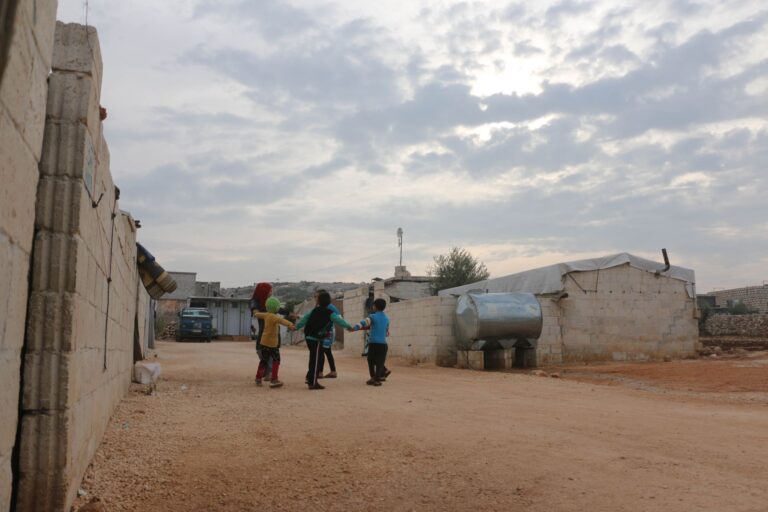
Türk visited the Bekaa Valley and parts of Beirut’s southern suburbs, areas that have absorbed wave after wave of displaced families from the south and from Hezbollah strongholds that Israel has systematically targeted. He met with families living in makeshift shelters, some of whom had fled multiple times as strikes followed them from one location to another.
So the question isn’t just about the military campaign. It’s about what happens to these people next.
Israel’s position and the legal debate
Israel maintains its operations target Hezbollah infrastructure and weapons caches, and that the militant group bears responsibility for civilian harm by embedding itself in populated areas. Israeli officials have repeatedly said they take measures to avoid civilian casualties, a claim human rights organizations have disputed throughout the conflict.
But international law experts note that the principle of proportionality still applies regardless of the target. Striking a legitimate military objective doesn’t automatically justify the level of civilian damage, and that’s precisely what Türk appeared to be signaling.
Still, accountability mechanisms for potential violations remain elusive, and any formal investigation would face enormous political obstacles at the UN Security Council level.
What comes next for Lebanon
Lebanon was already a country on its knees before this escalation — economic collapse, a paralyzed government, and a political vacuum that has lasted years. The war has made all of that dramatically worse.
Türk called for an immediate ceasefire and urged all parties to protect civilians. Whether that call gains traction in the coming days remains deeply uncertain. Diplomats in Beirut and Washington are reportedly working on proposals, but a deal has felt perpetually close and perpetually out of reach for weeks now.
For the families sleeping on gymnasium floors across Lebanon, the diplomacy can’t move fast enough.