Lavrov calls for new Eurasian security architecture at UN
Russia’s Foreign Minister Sergey Lavrov used his address to the UN General Assembly on Saturday to demand a wholesale restructuring of global security, calling for a new Eurasian security architecture that would sideline what he described as Western dominance of international institutions. The speech was combative, wide-ranging, and offered zero concessions on Ukraine.
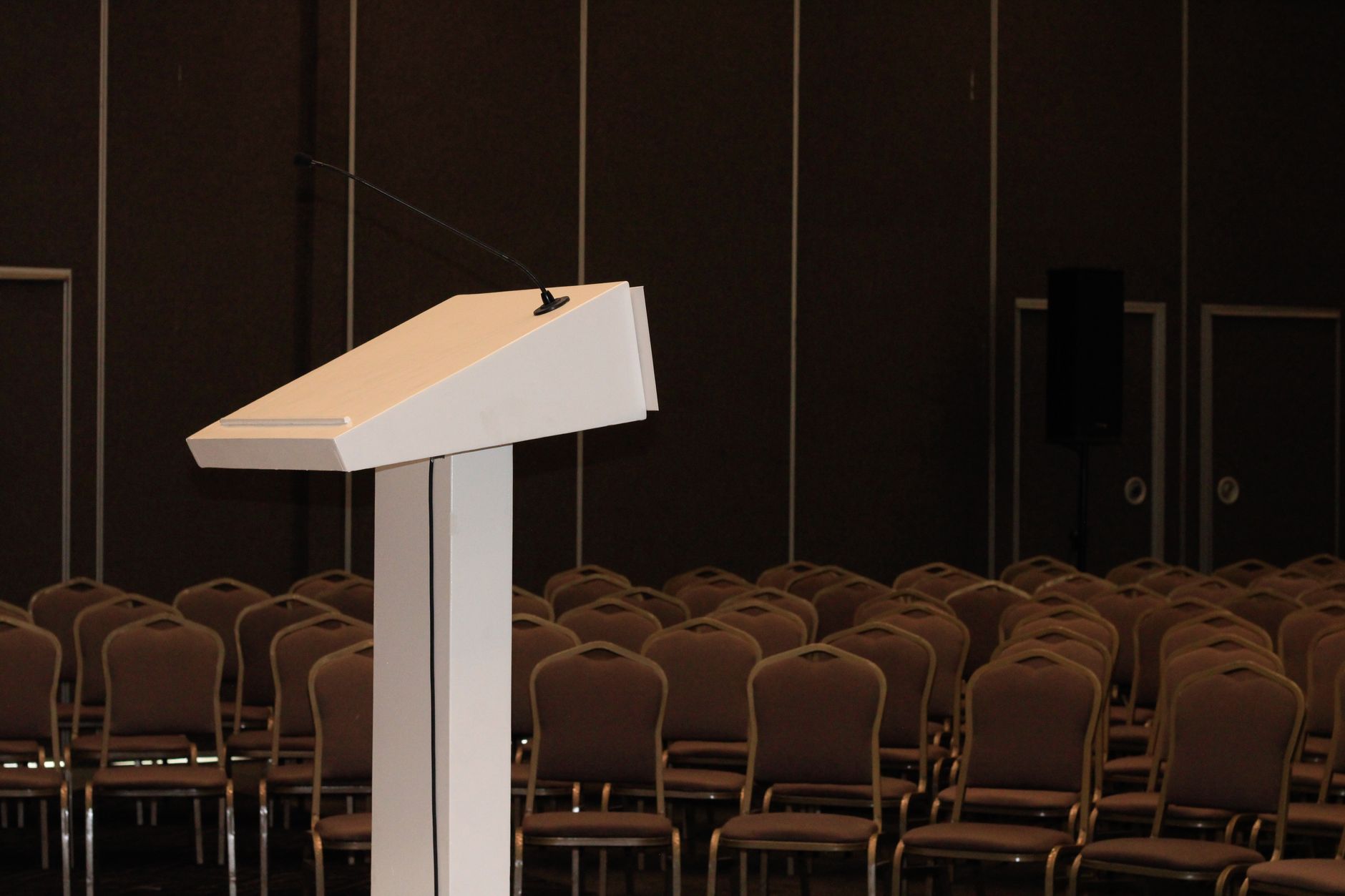
Lavrov told delegates that Western nations had spent decades destabilising the world through what he called “force and double standards,” and he made clear that Moscow’s so-called special military operation in Ukraine would be “carried through to the end.” The hall was less than packed. Several Western delegations had already signalled they would not grant the speech much of an audience.
A blueprint for a post-Western order
The core of Lavrov’s argument wasn’t entirely new, but Saturday’s version was notably more structured. He outlined a vision in which Eurasian nations — stretching from Russia through Central Asia and into the broader Global South — would build their own overlapping security guarantees, effectively bypassing NATO and EU-led frameworks. He pointed to organisations like the Shanghai Cooperation Organisation and the Collective Security Treaty Organisation as building blocks for this alternative architecture.
He claimed that 34 countries had joined or were seeking observer status with BRICS in some capacity, framing the bloc’s expansion as proof that the world was already moving in this direction. The figure is contested by analysts, but it’s the kind of number that lands well in a General Assembly hall where frustration with Western-led institutions runs deep in some quarters.
A senior diplomat from a Central Asian member state, speaking on condition of anonymity, said the proposal “deserves serious discussion,” though they stopped well short of endorsing Russia’s position on Ukraine.
The Ukraine question hangs over everything
But it’s Ukraine that overshadows any architectural proposal Lavrov puts on the table. His insistence that the military campaign will continue — and his framing of it as a defensive response to Western aggression — drew sharp rebukes from European and American officials present. Ukraine’s own delegation walked out before he began speaking.
And that walkout tells you something. Whatever diplomatic packaging Moscow puts around its ambitions, the war now in its third year remains the central fact that makes any serious engagement with Lavrov’s proposals deeply complicated for most Western and many non-Western governments alike.
Still, the speech wasn’t aimed at Brussels or Washington. It was aimed at the roughly 130 nations that haven’t imposed sanctions on Russia — governments that are increasingly vocal about wanting a different kind of international order, even if they’re not prepared to sign on to Moscow’s methods.
Whether Lavrov’s vision of a Eurasian security architecture gains any real traction will depend largely on what happens on the battlefield in eastern Ukraine over the coming months. Diplomatic blueprints have a way of hardening or dissolving based on military facts on the ground. With winter approaching and both sides digging in, the architecture Lavrov described on Saturday remains, for now, more speech than strategy.