Natura 2000 Day: Europe celebrates 27,000 protected sites network
European institutions came together on 21 May to mark Natura 2000 Day, celebrating the continent’s vast network of protected natural areas that now encompasses more than 27,000 sites across EU member states. The flagship conservation programme, which covers 18 per cent of the Union’s land area and 9 per cent of its marine waters, has become the world’s largest coordinated network of protected areas.
The anniversary celebrations, held across the continent, highlighted both the scale of Europe’s biodiversity conservation efforts and growing concerns about the implementation of protection measures on the ground. Events ranged from guided nature walks to educational workshops, bringing together environmental groups, local authorities, and concerned citizens.
Commission Launches Citizens’ Science Initiative
Environment Commissioner Jessika Roswall used the occasion to unveil a new public engagement initiative designed to strengthen the connection between Europeans and their natural heritage. The BioBlitz programme invites citizens across the EU to document wildlife and plant species in their local Natura 2000 sites using a newly developed Commission app.
“We want every European to become a guardian of nature,” Roswall said at the launch event. “By documenting the species around them, citizens become active participants in conservation, not just observers.”
The initiative aims to harness citizen science to complement professional monitoring efforts, whilst raising public awareness of the network’s existence and ecological importance. The data collected through the app will be shared with national authorities and conservation organisations to support ongoing habitat assessments.
Management Plans Show Progress
The Commission also released new figures showing that 81 per cent of protected habitats within the Natura 2000 network now have a designated management plan in place. This represents significant progress in addressing long-standing criticisms that many sites existed only on paper without adequate protection mechanisms.
Management plans set out conservation objectives, identify threats to protected species and habitats, and establish measures to maintain or restore favourable conditions. Their development has required extensive consultation between EU institutions, national governments, landowners, and local communities.
The data underscores efforts to move beyond simply designating protected areas towards implementing active conservation measures. However, environmental groups have noted that the existence of a plan does not automatically guarantee its effective implementation or adequate funding.
Europe’s Largest Conservation Network
The Natura 2000 network has grown substantially since its establishment under the 1992 Habitats Directive and the 1979 Birds Directive. The more than 27,000 sites now form an interconnected web of protected areas stretching from the Arctic Circle to the Mediterranean, and from the Atlantic coast to the borders of Eastern Europe.
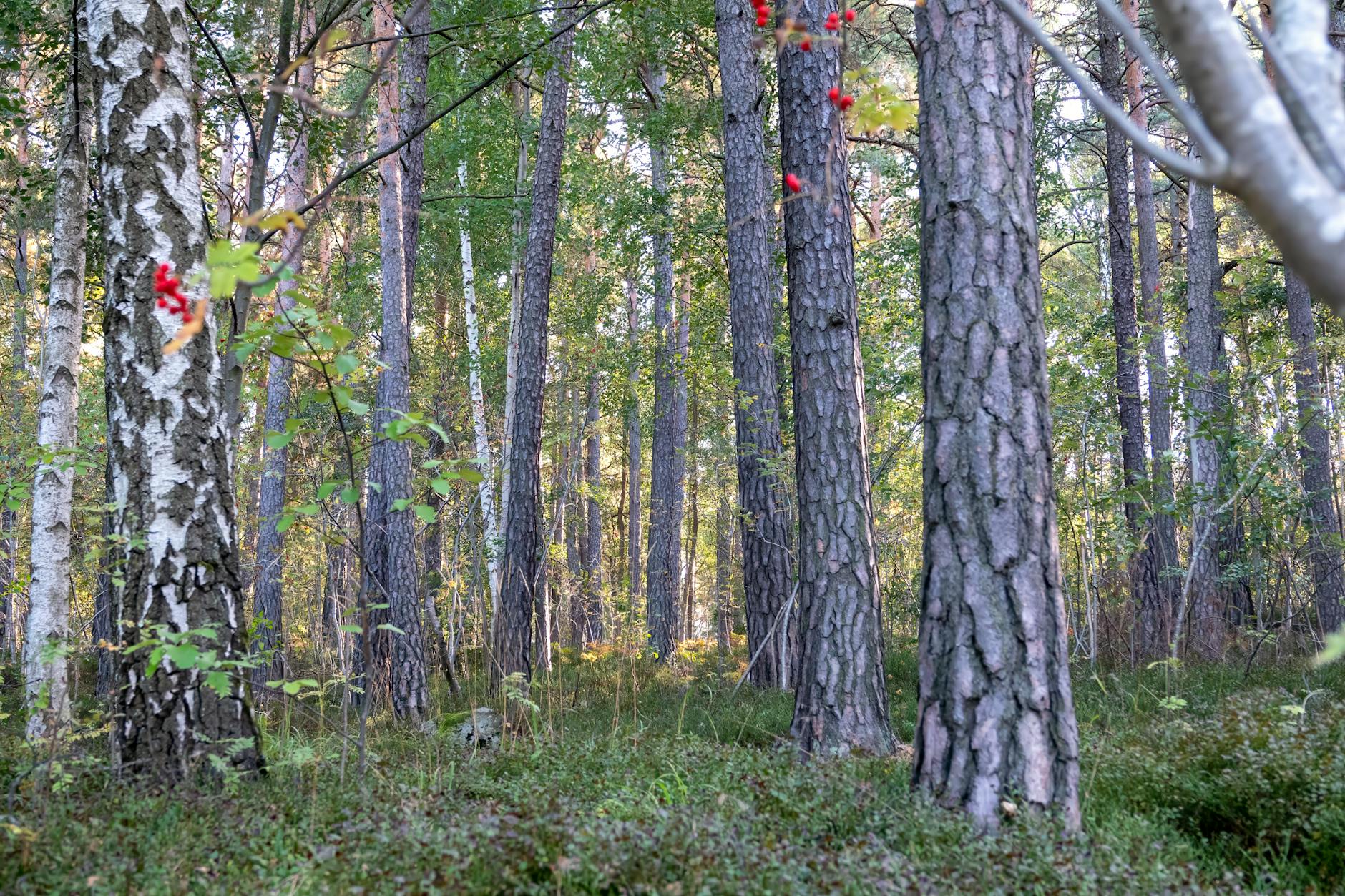
The terrestrial coverage of 18 per cent of EU land area includes diverse ecosystems ranging from Alpine meadows and ancient forests to wetlands and heathlands. Marine protection, covering 9 per cent of EU waters, encompasses coastal areas, seagrass meadows, and important breeding grounds for numerous species.
The network’s ecological importance extends beyond its boundaries, with protected sites serving as refuges for threatened species and maintaining ecosystem services vital for human wellbeing, including water filtration, flood control, and carbon storage.
Challenges Remain
Despite the commemorative mood, conservationists have emphasised that significant challenges persist. Questions about funding adequacy, conflicts with agricultural and development interests, and the impact of climate change on protected habitats continue to provoke debate.
The implementation gap between formal protection and practical conservation outcomes varies considerably across member states. Some countries have integrated Natura 2000 sites effectively into land-use planning, whilst others continue to struggle with enforcement and stakeholder cooperation.
Parliament has repeatedly called for increased resources to support member states in meeting their conservation obligations, particularly in rural areas where protected status can create tensions with traditional land use practices.
Looking Ahead
As Europe confronts mounting biodiversity loss and the accelerating climate crisis, the Natura 2000 network’s role is expected to become increasingly central to the Union’s environmental strategy. The Commission has indicated that strengthening protection and restoration within existing sites will be a priority, rather than simply expanding the network’s geographic scope. With the BioBlitz initiative and improved management planning, EU institutions are betting that combining citizen engagement with better governance can deliver the conservation outcomes that designation alone has sometimes failed to achieve.