SDGs still achievable despite global setbacks, UN insists
The United Nations is pushing back hard against growing pessimism about the Sustainable Development Goals, urging world leaders and citizens alike not to abandon the 17-target framework even as progress stalls on multiple fronts and geopolitical tensions make cooperation harder than ever.
A world of parallel realities
The gap between the world’s richest and poorest populations has never been more visible. Nearly 700 million people still live on less than $2.15 a day. Meanwhile, the world’s wealthiest 1 percent owns more than 43 percent of global financial assets. UN officials describe this as a crisis of “parallel realities” — where two people born in different countries, or even different neighborhoods within the same city, face wildly different life outcomes through no fault of their own.
It’s this divide that the SDGs were designed to close when world leaders adopted them back in 2015, setting a 2030 deadline to achieve goals ranging from ending extreme poverty to guaranteeing quality education and clean water for all. But with just five years left on the clock, fewer than 17 percent of the SDG targets are on track globally, according to UN data released earlier this year.
Don’t walk away from the goals
Still, the UN isn’t ready to call it a failure. Not yet.
“The SDGs represent humanity’s best collective agreement on what a better future looks like,” said a senior UN development official. “Abandoning them now would be the worst possible response to a difficult moment.”
The organization is pressing governments to recommit funding, strengthen international institutions, and resist the pull of nationalist policies that prioritize short-term domestic gains over long-term global cooperation. It’s a tough sell in a political climate where multilateralism is under pressure in Washington, Brussels, and beyond.
Where the gaps are widest
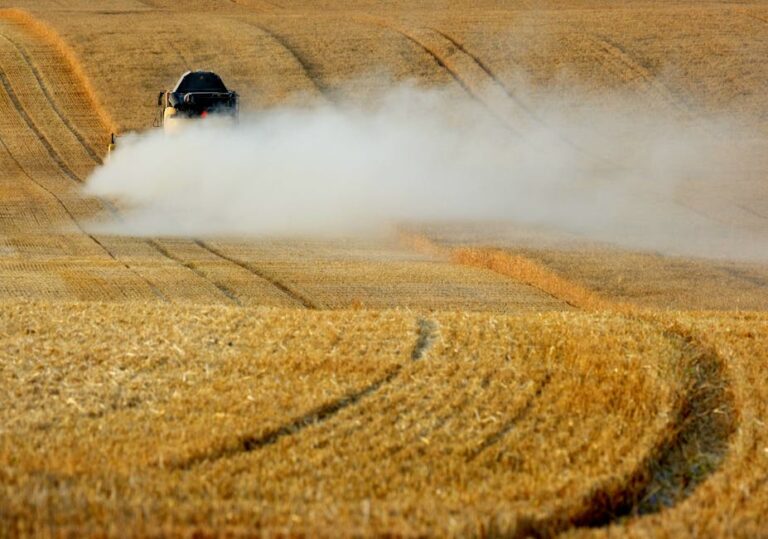
The numbers tell a sobering story. Progress on SDG 2 — zero hunger — has actually reversed since 2015, with around 733 million people facing hunger in 2023, up from previous years. Climate action under SDG 13 remains critically underfunded, with developing nations receiving only a fraction of the $100 billion annually promised by wealthier countries. Gender equality targets under SDG 5 are projected to take more than 130 years to fully achieve at the current pace.
Sub-Saharan Africa and parts of South Asia are bearing the heaviest burden, where compounding crises — conflict, climate shocks, and debt — are actively pulling countries backward rather than forward.
The road to 2030
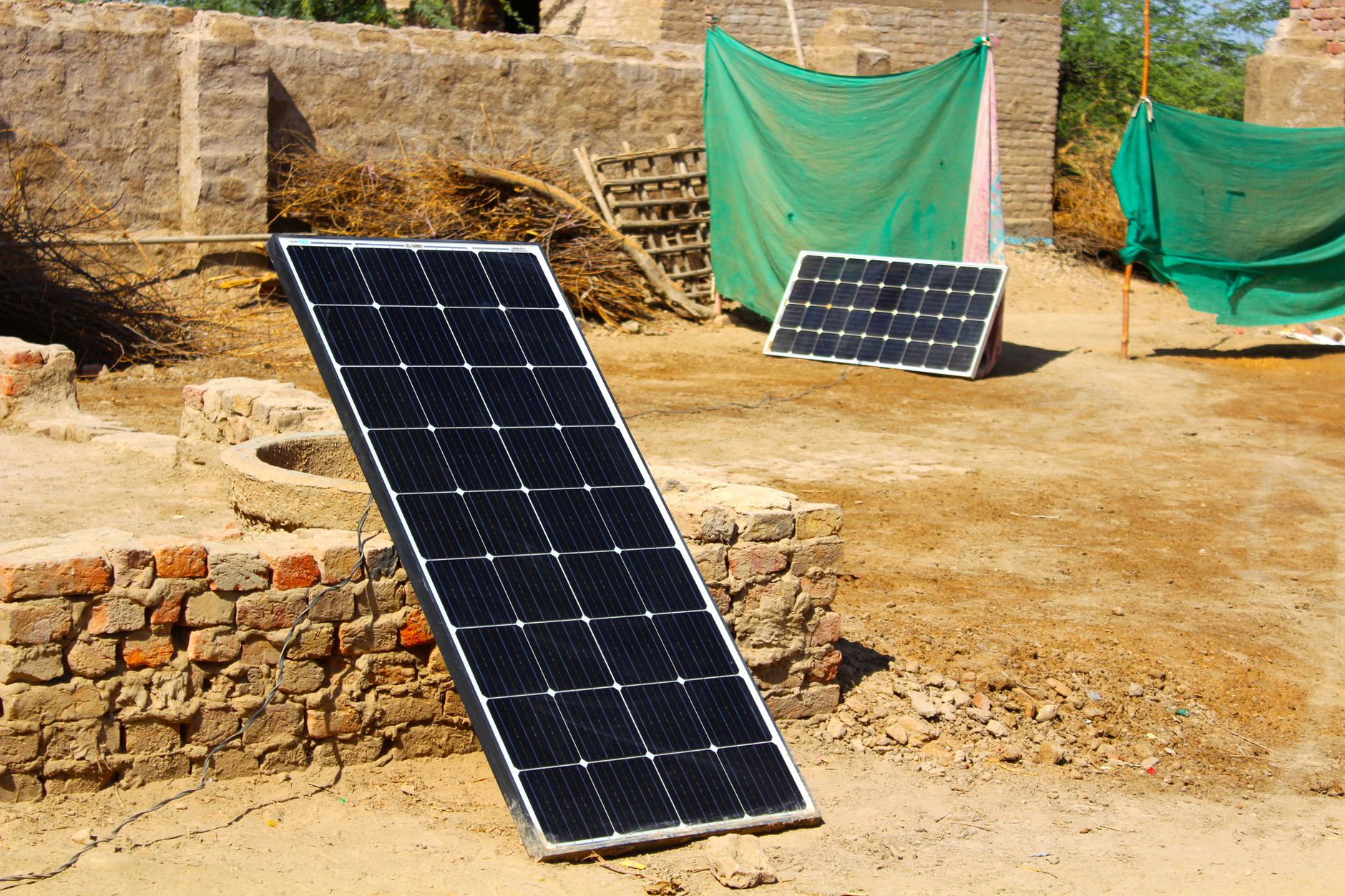
So what happens now? The UN is pointing to a series of high-level meetings through 2025 and 2026 as critical inflection points where governments can make binding commitments and unlock new financing mechanisms. There’s cautious optimism around green energy transitions and digital infrastructure investments that could accelerate progress on several goals simultaneously.
The task won’t be easy, and the window is closing fast. But the UN’s message is clear: the SDGs aren’t a relic of a more optimistic era — they’re still the most coherent roadmap humanity has agreed upon for getting to 2030 in one piece.