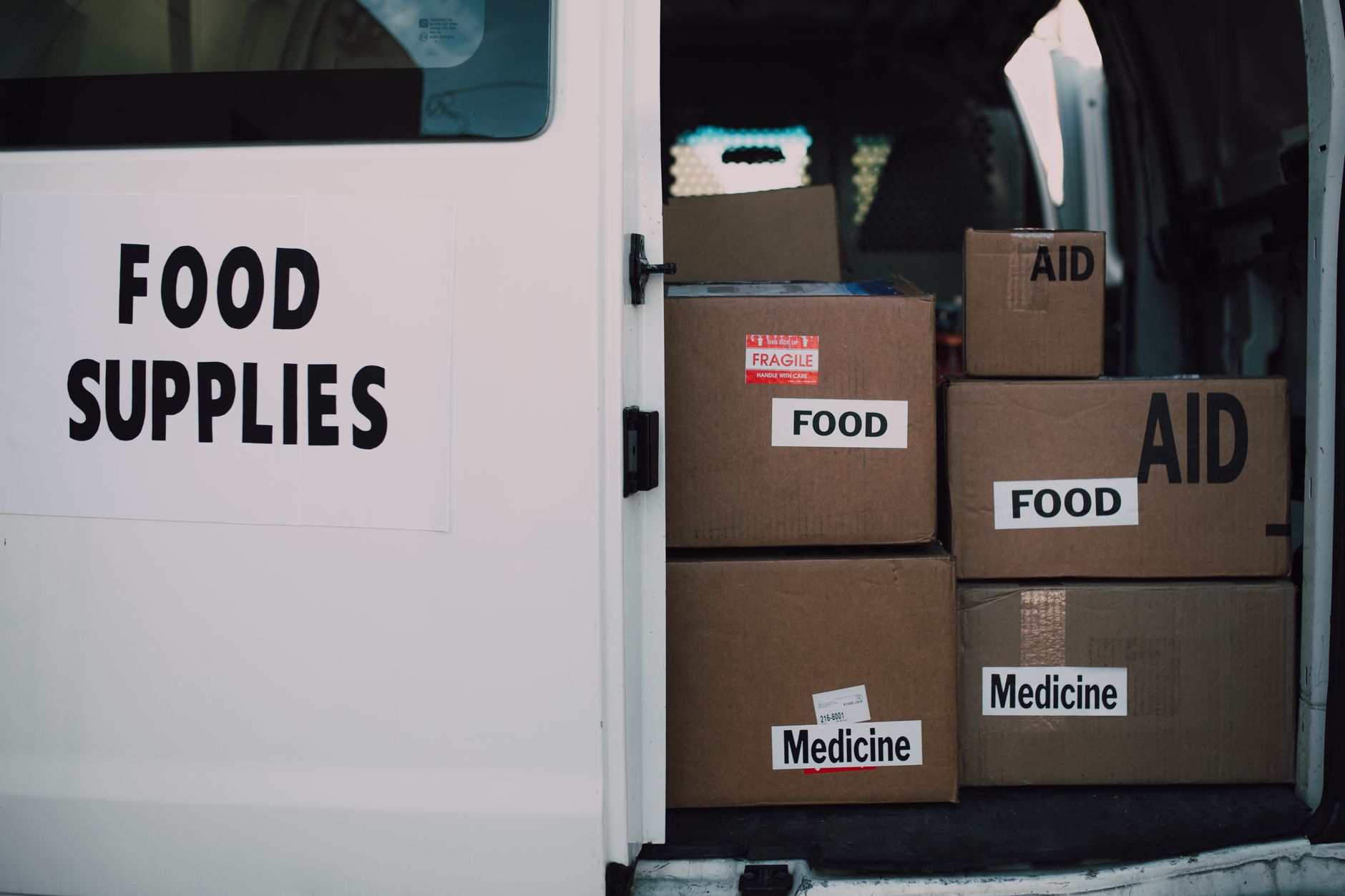
South Sudan aid convoy attack kills five humanitarian workers
Five humanitarian workers are dead after gunmen ambushed a clearly marked aid convoy in Jonglei State, South Sudan, in one of the deadliest single attacks on relief personnel in the country this year. The vehicles were travelling along a route that had been used regularly by NGO staff when armed men opened fire without warning.
Aid convoy ambushed in broad daylight
The convoy belonged to two separate humanitarian organisations, though officials have not yet disclosed their names pending notification of next of kin. Three other workers were wounded and evacuated to a medical facility in Juba. It’s unclear whether any of the attackers have been identified or apprehended. South Sudan’s government said it had launched an investigation, but security in Jonglei has deteriorated sharply in recent months, and intercommunal violence has repeatedly disrupted aid operations across the region.
“We are horrified and heartbroken,” said a spokesperson for the UN Office for the Coordination of Humanitarian Affairs. “These were people who came to help. That’s not something any armed group should be allowed to act against without consequence.”
Aid organisations have suspended convoy movements in the affected corridor until further security assessments are completed.
Ebola threatens livelihoods across Central Africa
The World Health Organization warned this week that the ongoing Ebola response in the Democratic Republic of Congo is causing severe economic disruption beyond the immediate health crisis. Roughly 340,000 people in affected zones have seen their farming and trading income collapse due to movement restrictions and market closures. Families who survived previous outbreaks say this one feels harder — not because the disease is more deadly, but because they’ve had less time to recover financially.
So far, 38 confirmed deaths have been recorded in the current outbreak. But the ripple effects on food security and child nutrition are alarming officials almost as much as the case count itself. International donors have pledged $47 million in emergency response funding, though health workers say it won’t arrive fast enough to prevent a secondary humanitarian crisis.
UN condemns use of death penalty in escalating global trend
The United Nations Human Rights Council issued a formal statement deploring the rising use of capital punishment, citing data showing at least 883 executions were carried out globally in 2023 — a 53 percent increase on the previous year. The figures exclude China, which doesn’t publish its numbers but is widely believed to execute thousands annually.
Still, the resolution faced opposition from 40 member states and didn’t pass without a fight.
The statement specifically called out mandatory death sentences for drug offences, which accounted for a significant share of executions in Southeast Asia and the Middle East. Human rights groups say mandatory sentencing strips judges of any discretion and produces outcomes that are neither proportionate nor just.
What comes next
All three situations remain in flux. In South Sudan, the suspension of aid movements could affect food distribution for up to 12,000 people in the coming two weeks. International pressure is mounting, and none of these stories are going away anytime soon.