Cuba sanctions killing children, UN rights chief warns US
Children are dying because doctors cannot access essential medicines, UN human rights chief Volker Türk said Monday, issuing an urgent call for the United States to immediately lift sanctions against Cuba that are causing “widespread harm” across the Caribbean nation.
The appeal marks one of the strongest interventions yet by the Geneva-based UN office on the humanitarian impact of America’s six-decade embargo. Türk didn’t mince words: Cuba’s healthcare system, once celebrated internationally, is now buckling under pressure it can’t control.
Medicine Shortages Hit Vulnerable Hardest
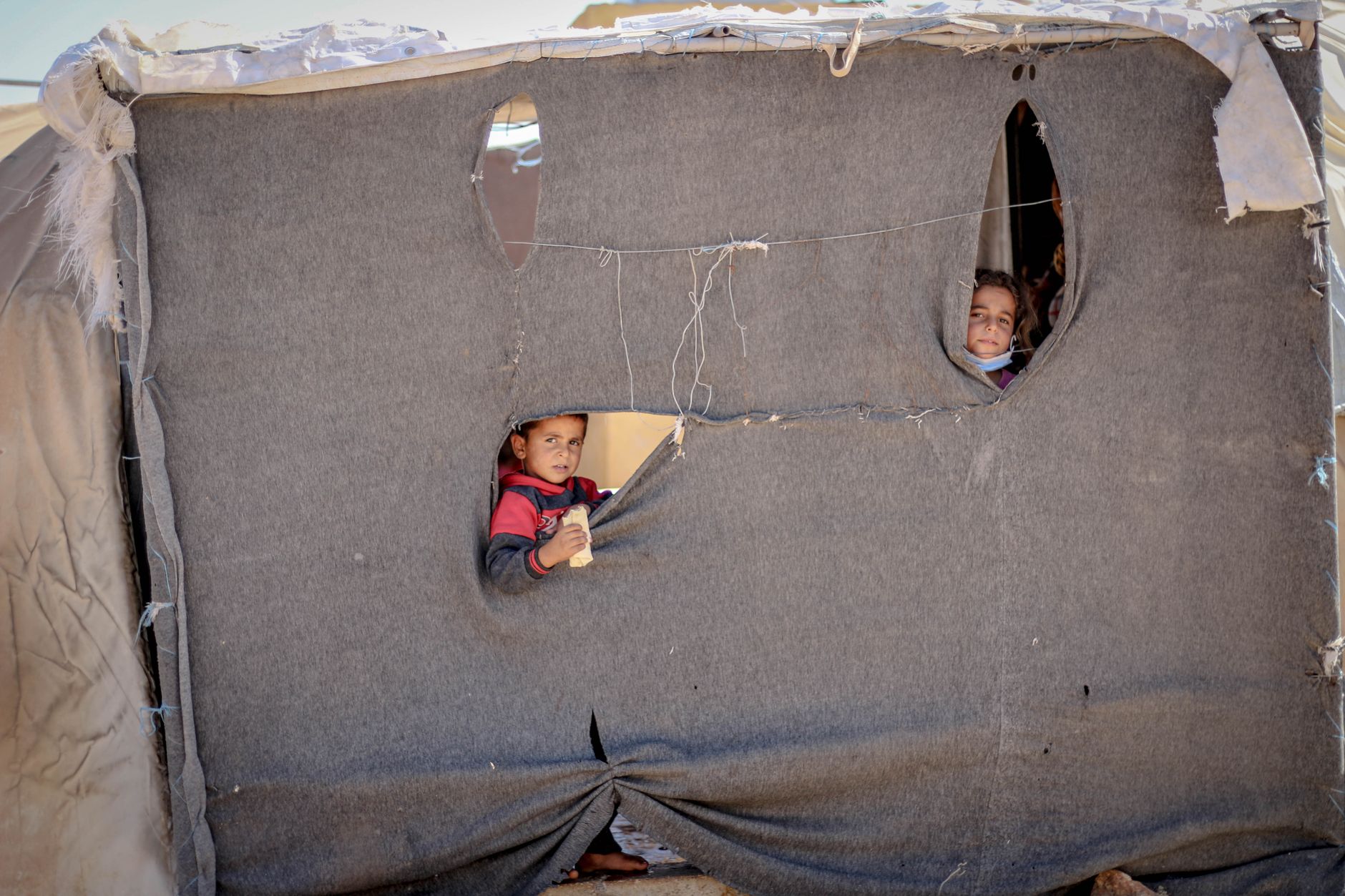
The sanctions have created critical shortages of medications, medical equipment, and even basic supplies like syringes and antibiotics. Cuban hospitals are struggling to treat conditions that should be routine. Cancer patients can’t access chemotherapy drugs. Diabetics face insulin shortages. And children with preventable illnesses are dying because the medicines that could save them simply aren’t available.
It’s not that these drugs don’t exist. They do. But international pharmaceutical companies and medical suppliers won’t do business with Cuba, fearing they’ll run afoul of US sanctions that can freeze them out of American markets.
Economic Crisis Deepens Health Emergency
Cuba’s already struggling with its worst economic crisis in three decades. Power outages last for hours. Food is scarce. The sanctions, which were tightened during the Trump administration and largely maintained under President Biden, have blocked the country from accessing international banking systems and limited its ability to import everything from fuel to food.
But the health sector has been hit particularly hard.
“The economic measures imposed by the United States are having a devastating impact on the enjoyment of human rights,” a UN official familiar with the assessment said. The restrictions affect not just what Cuba can buy, but how it can pay for anything at all.
Calls for Immediate Action Mount
Türk’s statement joins a growing chorus of international voices demanding Washington reconsider its approach. The UN General Assembly has voted 31 consecutive times to condemn the embargo, with only the US and Israel regularly voting against the resolution. Yet the sanctions remain firmly in place.
The Biden administration has made some limited exceptions for humanitarian supplies. Still, the broader framework of sanctions stays intact, and critics say the exemptions don’t go far enough when banks and companies remain too scared to risk any Cuba-related business.
As diplomatic pressure builds, the question now is whether Washington will respond to warnings that its policy isn’t just hurting Cuba’s government—it’s killing Cuba’s children. So far, there’s no indication the White House plans any major shift, leaving families on the island to face another day without the medicines they desperately need.