EU Defence Ministers convene in Brussels to reinforce Ukraine support amid Middle East tensions
Defence ministers from the European Union’s 27 member states met this week in Brussels for crisis consultations on continued military backing for Ukraine, the bloc’s defence readiness and the deteriorating situation in the Middle East. The meeting, chaired by High Representative Kaja Kallas, came at a moment when European capitals are recalibrating their strategic posture in the face of overlapping conflicts.
The talks centred on three intertwined dossiers: sustained military assistance to Kyiv, the readiness of European armed forces to respond to higher-tempo threats, and the spillover risks of the war in the Middle East on European security. According to officials briefed on the discussions, ministers exchanged an updated EU threat analysis prepared by the European External Action Service and the EU Military Staff.
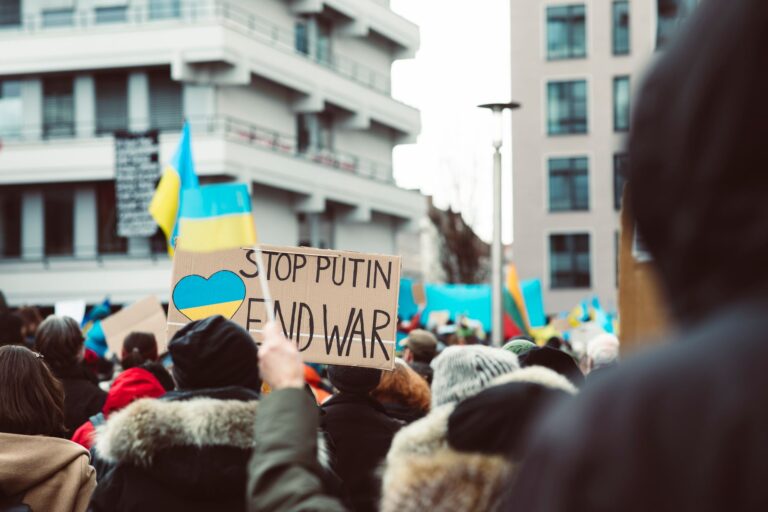
Ukraine remains at the top of the agenda. With US support increasingly conditioned on bilateral negotiations and a possible drawdown of American forces from parts of the continent, European governments are facing growing pressure to demonstrate that the bloc can shoulder a larger share of the burden. Several delegations reportedly pressed for accelerated delivery of air-defence systems and long-range munitions, while others raised the issue of replenishing depleted national stockpiles.
In parallel, High Representative Kallas chaired the European Defence Agency Steering Board on the margins of the meeting, focusing on the operational implementation of the bloc’s defence industrial agenda. Joint procurement, ammunition production capacity and the consolidation of European defence champions were among the practical items examined.
The Middle East dimension proved equally pressing. With the Strait of Hormuz partially closed and energy prices feeding through into inflation across the eurozone, ministers discussed contingency planning for naval presence in critical maritime corridors and the protection of European citizens and assets in the region.
A senior EU diplomat speaking on condition of anonymity described the atmosphere as ‘sober but constructive’, noting that no member state pushed for de-escalation language that would dilute the bloc’s stance on Russian aggression. The Council is expected to formalise conclusions later this month following technical work at the Political and Security Committee level.
Looking ahead, the bloc faces a packed calendar of strategic decisions. The June European Council is expected to revisit the multi-year defence financing framework, while a parallel debate is intensifying on whether to mobilise frozen Russian sovereign assets as part of a broader package for Ukraine. The outcome of these debates will shape Europe’s security architecture for years to come.