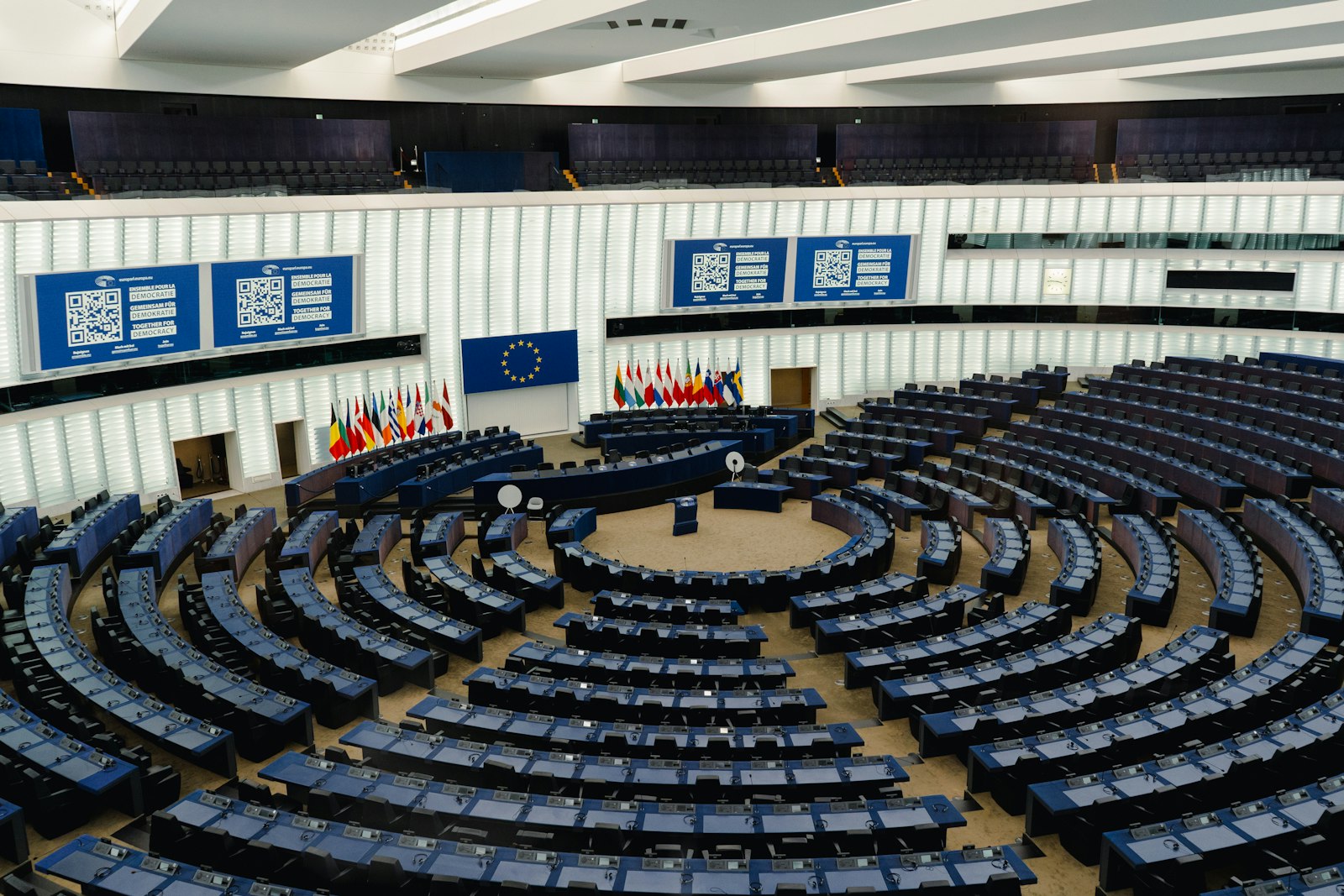
European Parliament to vote on new law shielding strategic sectors from risky foreign investments
Members of the European Parliament are preparing to vote on a revamped legal framework designed to shield strategic sectors of the European economy from risky foreign investments. The legislation, which has been winding its way through inter-institutional negotiations for the past year, marks one of the most significant updates to the bloc’s economic security toolkit in recent memory.
The proposed regulation overhauls the existing foreign direct investment screening mechanism that has been in force since 2020. Under the new rules, all twenty-seven member states would be required to operate a national screening regime, closing the patchwork that critics say has allowed third-country acquirers to forum-shop between jurisdictions with looser oversight.
Sectors deemed strategic include critical raw materials, advanced semiconductors, artificial intelligence, biotechnology, defence-relevant technologies, critical infrastructure such as ports and energy grids, and certain financial market infrastructures. Transactions involving these sectors would trigger a mandatory notification obligation and a cooperation mechanism with the European Commission.
Negotiators from the Parliament and the Council reportedly settled on a compromise that retains national sovereignty over the final screening decision while granting the Commission a stronger consultative role. A new mechanism would allow Brussels to issue opinions that member states must take into utmost account, with public reporting obligations when those opinions are disregarded.
Industry reaction has been mixed. European technology firms broadly welcome the harmonisation, viewing it as a way to prevent forced sales of strategic know-how to non-EU competitors. Trade associations representing global investors, however, warn that overly broad sector definitions risk chilling legitimate capital flows and damaging Europe’s appeal as an investment destination.
The geopolitical context has sharpened the debate. With the European Commission’s strategic autonomy agenda gaining political traction, and amid concerns about Chinese state-backed acquisitions in sensitive areas, lawmakers across the political spectrum have signalled support for a stronger screening regime. The Greens-EFA group has pushed for additional safeguards on labour and environmental criteria, while the European People’s Party has emphasised the need to preserve openness to allied investment.
If adopted in the upcoming plenary, the regulation would enter into force following formal Council approval and publication in the Official Journal, with member states given a transposition window to align their national legislation. The vote is being closely watched as a barometer of the Parliament’s appetite for assertive economic security measures.