FIFA clears World Cup referee accused of white supremacist gesture
FIFA has cleared Australian referee Shaun Evans after an investigation into allegations that he made a white supremacist hand gesture during a match at the 2023 FIFA Women’s World Cup, ruling that no disciplinary action would be taken against him.
What happened on the pitch
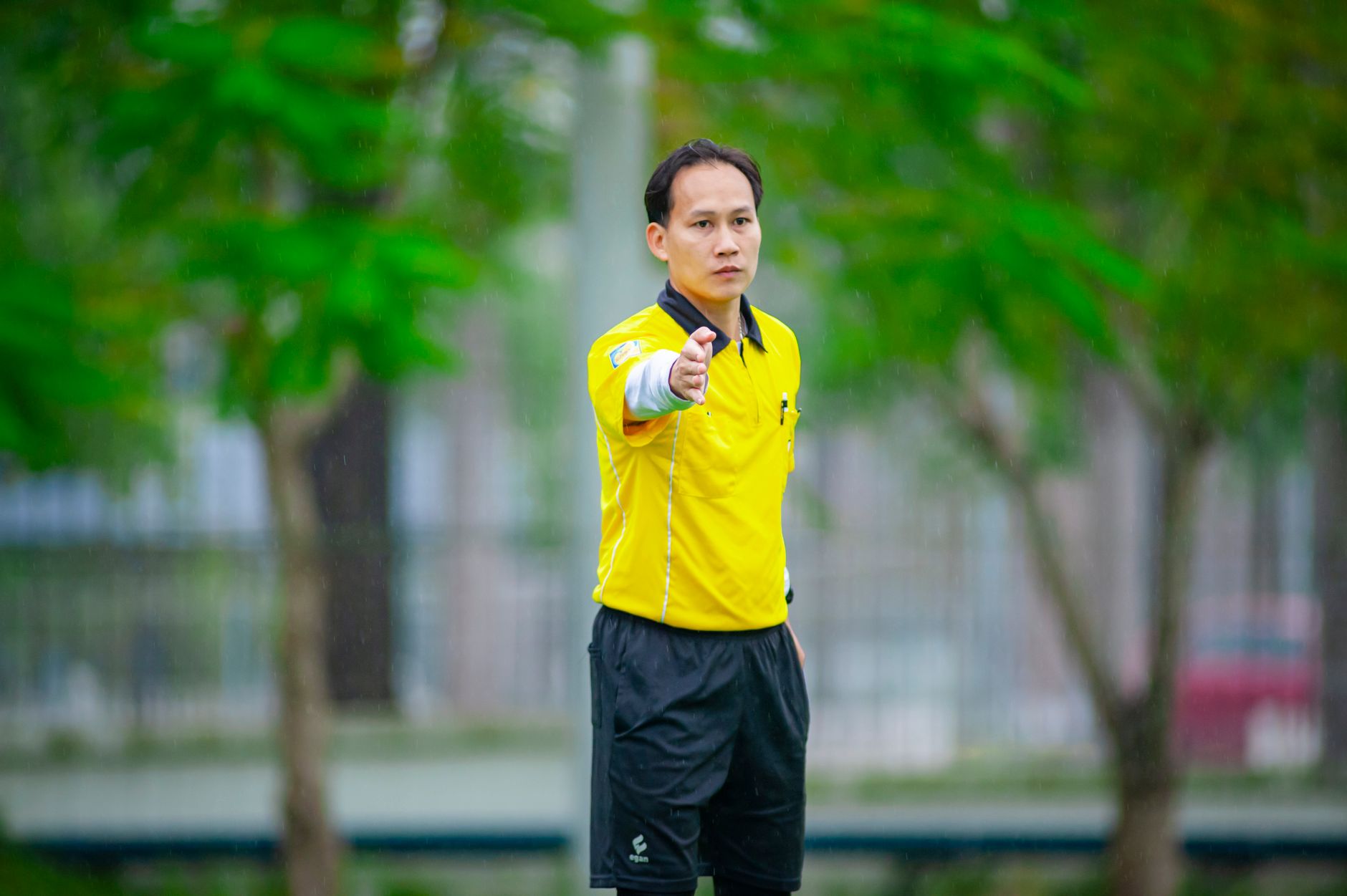
The controversy erupted after footage circulated on social media showing Evans appearing to make an “OK” hand sign during a match. The gesture has been co-opted in some contexts by white supremacist groups, and the clip spread rapidly online, drawing sharp criticism and demands for an explanation.
Evans moved quickly to deny any sinister intent. In a written statement, the 44-year-old official said he did not intend to communicate a “message, affiliation, game or belief of any kind.” He described the moment as an involuntary movement and expressed regret that the footage had caused distress.
FIFA’s ruling and investigation
World football’s governing body confirmed it launched a formal review following the incident. After examining video evidence and speaking with those involved, FIFA determined there was insufficient basis to pursue disciplinary proceedings. The organisation declined to release a detailed breakdown of its findings, citing the confidential nature of the process.
FIFA has no further action planned against Evans at this time.
A spokesperson for the sport’s governing body said the matter had been handled thoroughly and in accordance with established disciplinary procedures, adding that protecting the integrity of officials remains a core priority for the organisation.
Broader debate about the gesture
The “OK” sign sits in complicated territory. It’s a mainstream gesture used casually around the world every day, but the Anti-Defamation League added it to its database of hate symbols in 2019 after it was repeatedly used by far-right groups, sometimes ironically and sometimes not. That ambiguity has made it a flashpoint in a number of public controversies over the past several years.
Critics argued that FIFA should have acted faster and been more transparent about its process. Some advocacy groups said the decision not to publish specific findings made it harder to assess whether the investigation was rigorous enough. But supporters of Evans countered that scrutinising an involuntary gesture without concrete evidence of intent sets a troubling precedent for officials at every level of the game.
What this means for Evans and refereeing
Evans is a respected figure in Australian refereeing circles, having officiated at domestic and international levels for over a decade. The Women’s World Cup assignment was among the most high-profile of his career. It’s unclear how the controversy will affect his future appointments, though sources within Football Australia suggested there is no expectation of any ongoing impact on his selection prospects.
The episode has prompted renewed discussion about how football bodies handle sensitive allegations against match officials and whether existing frameworks are equipped to deal with incidents that originate and escalate on social media. FIFA is expected to review its communications protocols ahead of the 2026 World Cup.