UN refugee resettlement needs to hit 2.4m by 2027, warns UNHCR
The United Nations refugee agency has warned that 2.4 million refugees will require resettlement by 2027, but the number of available places around the world is falling dangerously short of what’s needed. UNHCR published the projection this week, describing it as one of the starkest gaps between need and capacity the agency has recorded in recent years.
Who needs resettling and where they are
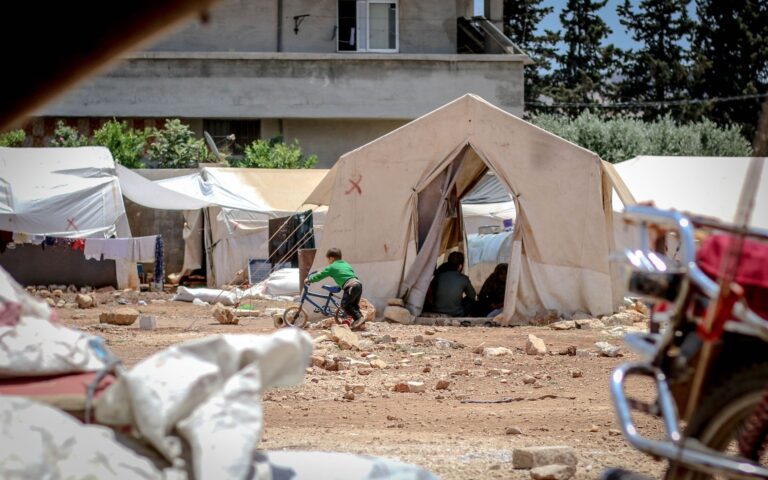
Afghan refugees make up the largest single group in need of resettlement, a figure that has ballooned since the Taliban’s return to power in August 2021. Behind them are refugees from South Sudan, Sudan, and Syria — countries that have each endured years of grinding conflict with no clear end in sight. Rohingya refugees from Myanmar, hundreds of thousands of whom are packed into sprawling camps in Cox’s Bazar in southern Bangladesh, round out the top five groups. Cox’s Bazar is one of the most densely populated refugee settlements on earth, and conditions there have deteriorated steadily over the past two years.
These aren’t abstract statistics. They are people who have already been determined by UNHCR to face serious protection risks in their current country of asylum — people who can’t go home and can’t stay safely where they are.
The shortage of resettlement places
Resettlement places — legal pathways that allow refugees to move to a third country permanently — have never fully recovered from the sharp cuts made by the United States under the Trump administration. The Biden years saw partial recovery, but global capacity still sits well below what it was in the mid-2010s. Last year, fewer than 160,000 refugees were resettled worldwide. Against a projected need of 2.4 million, that’s a gap that’s almost impossible to bridge under current policies.
“We’re asking countries to look seriously at expanding their resettlement commitments,” a UNHCR spokesperson said. “The need is not going away. If anything, it’s growing faster than the international response.”
So far, wealthy nations haven’t moved quickly enough. Canada and Germany have maintained relatively active resettlement programmes, but others in Europe have tightened asylum rules in response to domestic political pressure.
What happens when refugees can’t be resettled
For refugees stuck without options, the consequences are severe. Prolonged stays in camps increase vulnerability to exploitation, mental health deterioration, and in some cases push people toward dangerous irregular migration routes. Children born in camps can spend their entire childhoods without access to proper schooling or legal status.
Still, UNHCR is pushing for governments to treat resettlement not as a charitable gesture but as a shared international obligation under the 1951 Refugee Convention and the Global Compact on Refugees adopted in 2018.
With the 2027 deadline approaching faster than most governments seem prepared to acknowledge, the agency is expected to ramp up diplomatic pressure at the UN General Assembly in September. Whether that pressure translates into actual commitments — and actual places — remains the central question.