US lifts naval blockade as Iran deal draws supreme leader’s scorn
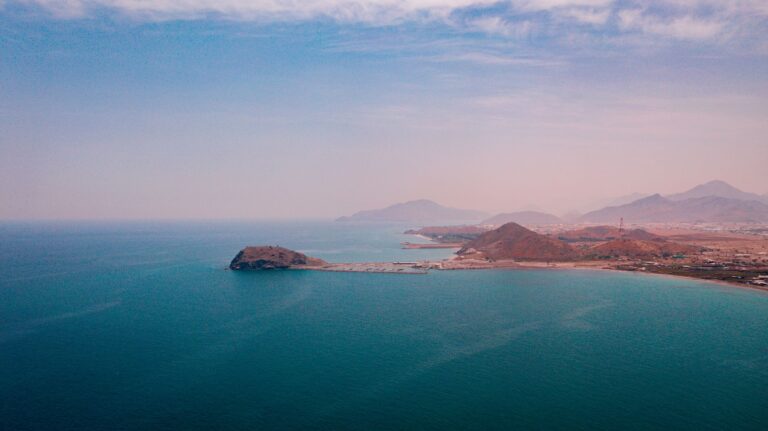
The United States began withdrawing naval forces from the Strait of Hormuz on Monday after Washington and Tehran announced a landmark agreement to limit Iran’s nuclear program, but the deal is already facing fierce opposition from Iran’s own supreme leader, who called it a sign of American weakness.
Khamenei breaks his silence
Ayatollah Ali Khamenei addressed the nation in a televised speech, saying he fundamentally disagrees with the terms negotiated by Iranian officials and that President Donald Trump signed the agreement “out of desperation.” He didn’t mince words. Khamenei argued the deal concedes too little from the American side while placing heavy restrictions on Iran’s enrichment capabilities for at least 15 years.
It’s a remarkable public split between Iran’s elected government and its most powerful religious authority — one that raises serious questions about whether the agreement can survive domestically.
What the deal actually involves
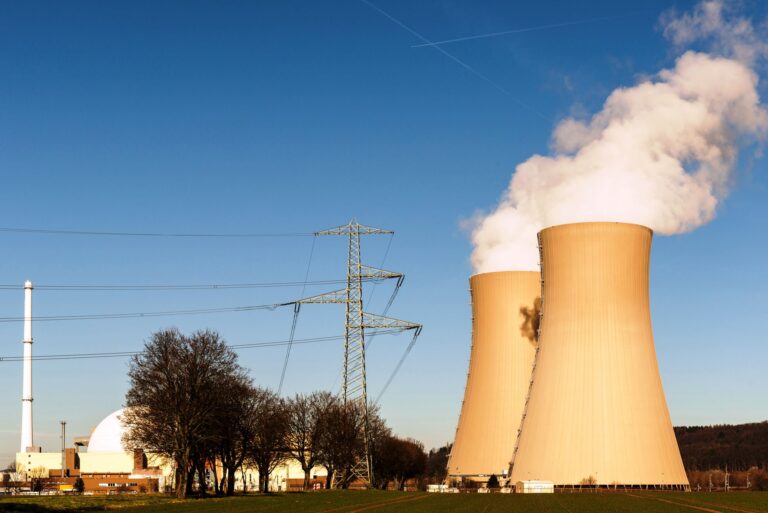
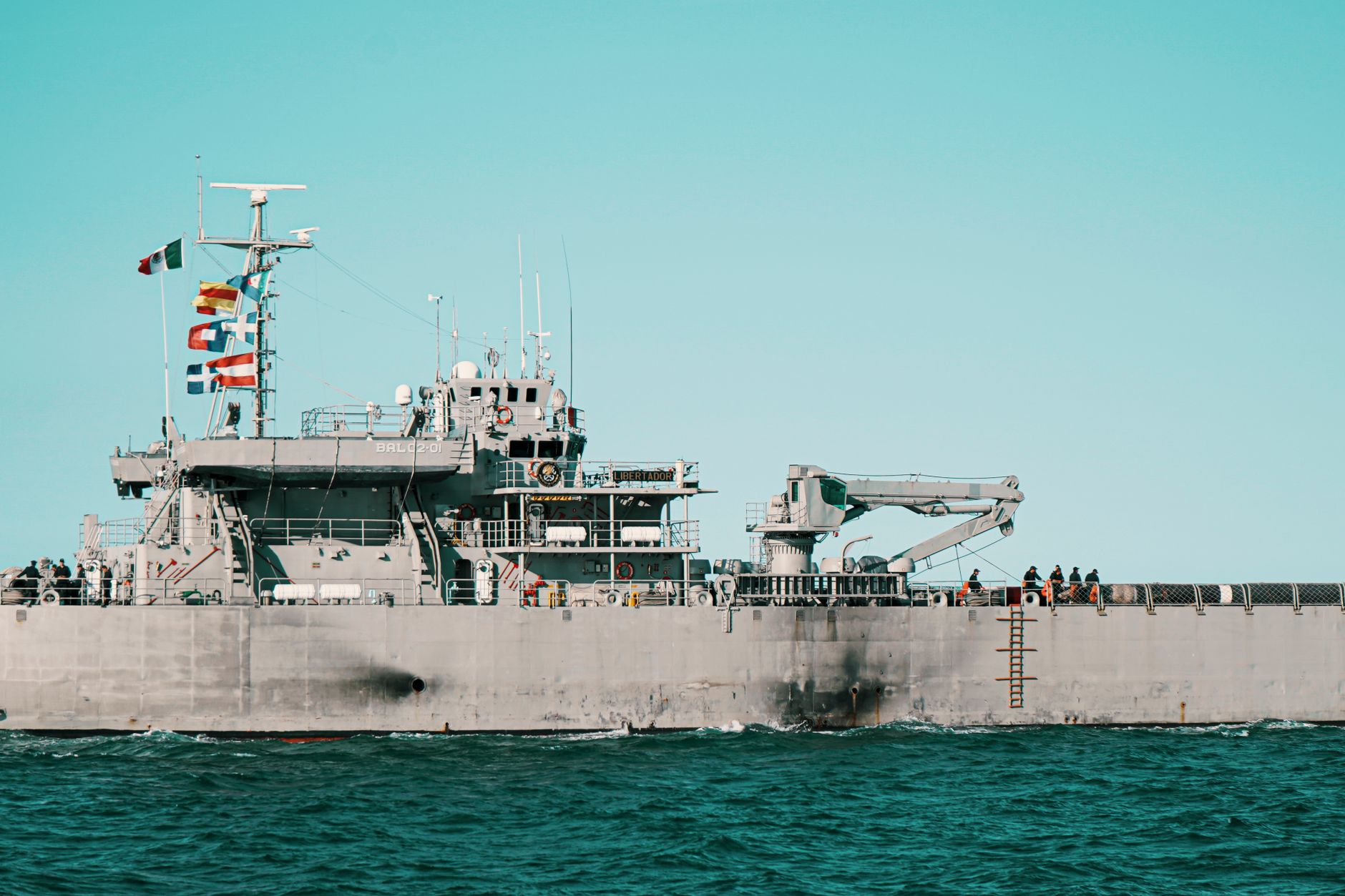
Under the terms announced Saturday in Muscat, Oman, Iran agreed to cap uranium enrichment at 3.67 percent and reduce its stockpile to no more than 300 kilograms. In return, the US committed to lifting sanctions on roughly $6 billion in frozen Iranian oil revenues and withdrawing a three-carrier naval task force that had been positioned near the strait since late February.
Two of those carriers, the USS Gerald R. Ford and USS Harry S. Truman, began repositioning toward the Red Sea by Sunday evening, according to Pentagon officials. A third vessel, the USS Carl Vinson, is expected to follow within 72 hours.
A senior State Department official, speaking on background, described the agreement as “the most verifiable arrangement we’ve secured with Tehran in two decades.”
Trump claims victory, critics aren’t buying it
Trump posted on Truth Social Sunday morning calling it “the greatest deal ever made” and claiming Iran had “totally surrendered” its nuclear ambitions. But analysts were more cautious. So were a number of Republican senators, at least four of whom have signaled they want a full congressional review before any sanctions relief is implemented.
Still, markets responded positively. Oil futures dropped nearly 4 percent Monday morning on expectations that Iranian crude would return to global markets within months.
And that’s the part Tehran’s hardliners hate most. They’ve long argued that economic engagement with the West erodes Iran’s strategic independence.
What happens next
The International Atomic Energy Agency is expected to deploy a team of 12 inspectors to Iran’s Natanz facility within the next 30 days to begin verification. That timeline is tight and both sides know it. Any disputes over access could unravel the agreement before it formally takes effect.
Khamenei’s opposition won’t disappear quietly. His remarks signal that Iran’s internal debate over this deal is just beginning, and the coming weeks will determine whether diplomacy holds or collapses under domestic pressure on both sides of the negotiation.