US-Iran deal sparks hope and deep skepticism in Tehran and Tel Aviv
A fragile agreement between Washington and Tehran is drawing sharply different reactions from ordinary citizens on both sides of one of the Middle East’s most volatile divides, with residents in Iran and Israel offering a window into just how complicated the path forward will be.
In Tehran, cautious relief mixed with doubt
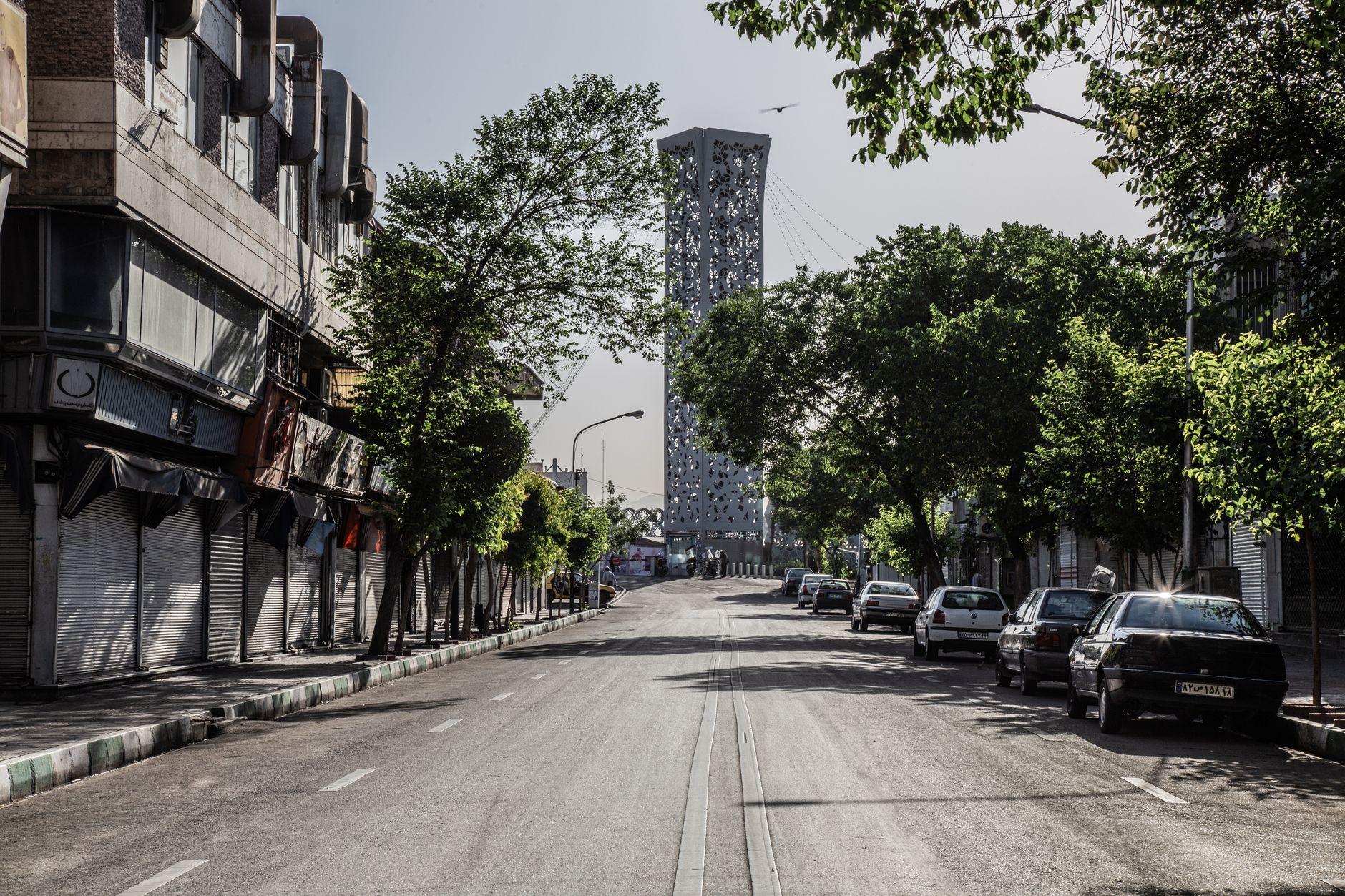
On the streets of Tehran’s Grand Bazaar, merchants and shoppers expressed something close to relief — but it wasn’t uncomplicated. Reza, a 54-year-old spice trader who declined to give his last name, said he’d been waiting for years for sanctions to loosen. “My costs have tripled since 2018,” he said. “If this deal means I can import properly again, I welcome it.” But younger Iranians were harder to read. A 27-year-old university student named Maryam said she didn’t trust either government to follow through. “They’ve promised things before,” she said flatly.
Inflation in Iran has hovered near 40 percent for much of the past two years, and the rial has lost roughly 80 percent of its value against the dollar since the collapse of the 2015 nuclear agreement. For many Tehranis, the deal isn’t about geopolitics — it’s about whether cooking oil stays affordable.
In Tel Aviv, fear that the deal doesn’t go far enough
The mood in Israel was markedly more anxious. At a café near Dizengoff Square in central Tel Aviv, Avital, a 38-year-old graphic designer, said she felt the deal was being sold as something it wasn’t. “Everyone wants peace. But what exactly did they agree to? Nobody’s explaining the details clearly.” Her friend, a 42-year-old former military officer who asked not to be named, was blunter. “Iran hasn’t stopped enriching uranium. A piece of paper won’t change that.”
Still, not everyone in Israel dismissed the agreement outright. A small but vocal group of protesters near the US Embassy in Tel Aviv held signs calling for diplomacy over military action, arguing that continued escalation serves no one.
What officials are saying
A senior Western diplomat involved in the negotiations said the deal represents “the most significant constraint on Iran’s nuclear program in nearly a decade,” though they acknowledged that implementation details remain under discussion and that verification mechanisms are still being finalized.
That last part — verification — is where many experts say the deal could unravel.
A long road ahead
Neither population is celebrating. Both are waiting. In Tehran, the real test will come within the next 90 days, when sanctions relief is either processed or stalled in Washington’s political machinery. In Tel Aviv, security officials are already signaling they’ll maintain independent military readiness regardless of what any agreement says on paper.
The deal may have been signed in a conference room, but it’s being judged in bazaars and cafés, by people who’ve lived through broken promises before and won’t easily forget them. Whether the agreement holds depends less on the language of the text and more on whether either side actually wants it to.