US-Iran nuclear talks overshadowed by public threats from both sides
Diplomatic efforts between the United States and Iran hit turbulence on Sunday as both governments exchanged sharp public warnings even while their negotiators sat down for a second round of talks in Geneva, Switzerland. The parallel spectacle of dialogue and defiance underscored just how fragile the current diplomatic moment really is.
Trump threatens military action over Hezbollah
US President Donald Trump fired off a warning on his Truth Social platform on Sunday, threatening to bomb Iran if it didn’t rein in Hezbollah, the Lebanese militant group that Washington considers a proxy of Tehran. “If Iran does not stop Hezbollah from causing trouble, we will have no choice but to strike,” Trump wrote, in a post that quickly drew international attention. It’s the kind of rhetoric that has become familiar from Trump, but coming during live negotiations, the timing struck many analysts as deliberately provocative.
The post came just hours after US Special Envoy Steve Witkoff arrived in Geneva for a second session of indirect talks with Iranian officials. The first round, held on April 12, was described by both sides as “constructive,” though no concrete breakthroughs were announced.
Iran’s chief negotiator fires back
Tehran didn’t stay quiet. Mohammad Bagher Ghalibaf, Iran’s chief nuclear negotiator and speaker of the Islamic Consultative Assembly, told state media that Washington should “be careful with their statements.” He added that Iran would not be intimidated into making concessions under public pressure.
That’s a significant line to draw. Iranian officials have long insisted that any nuclear deal must come through mutual respect, not coercion. And with hardliners in Tehran watching every move, Ghalibaf has little room to appear weak in front of domestic audiences.
What’s actually on the table in Switzerland
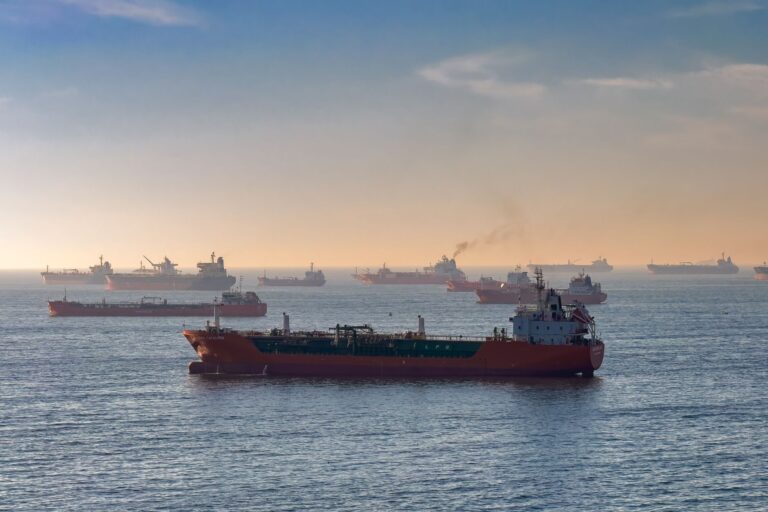
The Geneva discussions are focused on Iran’s nuclear enrichment program. Iran is currently enriching uranium to 60 percent purity — well above the 3.67 percent limit set under the 2015 Joint Comprehensive Plan of Action, which Trump abandoned during his first term in 2018. US officials want that number brought down sharply. Iran wants sanctions relief, particularly on its oil exports, which have been strangled by US restrictions.
A senior Western diplomat familiar with the talks said the two sides remained “far apart” on core technical issues, but that both governments appeared genuinely interested in avoiding military escalation.
A dangerous balancing act
Still, the gap between the negotiating table and the political stage is growing wider by the day. Trump’s post-on-demand style of diplomacy — announcing threats and demands through social media while talks are ongoing — creates serious complications for negotiators trying to build trust.
Iran holds 17 American nationals in detention, a fact that adds yet another layer of pressure to an already combustible situation.
The next round of talks is expected within two weeks. But whether both governments can keep the conversation alive — while their leaders trade barbs in public — remains the central question hanging over Geneva right now.