Lebanon’s war-weary returnees greeted by widespread devastation
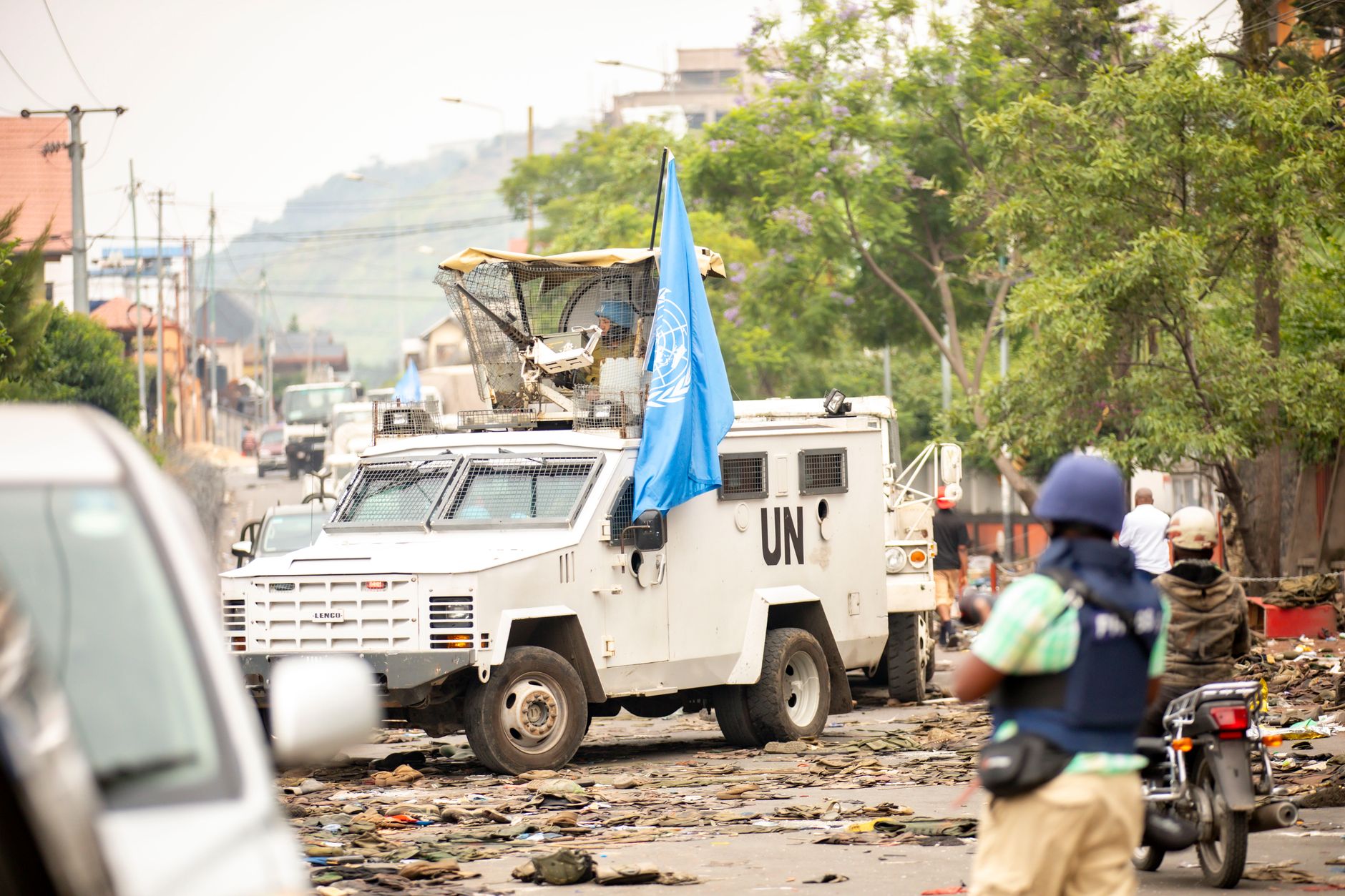
Families returning to their villages in southern Lebanon are finding homes reduced to rubble, roads cratered, and entire neighborhoods stripped bare — a grim homecoming that UN peacekeepers warned on Wednesday remains deeply dangerous despite a ceasefire between Beirut and Tel Aviv.
A fragile quiet across the south
The ceasefire deal, brokered against the backdrop of the wider Iran-Israel-US conflict, has brought a marked reduction in fighting between Hezbollah and the Israeli military. But quiet isn’t the same as safe. Unexploded ordnance litters fields and roadsides across the south, and officials say at least 11 civilians have been killed by remnant munitions since the truce took hold. The situation, UN peacekeepers said, remains deeply uncertain.
Still, people are coming back. Convoys of cars packed with mattresses, kitchen pots, and children’s bicycles have been streaming south along the Beirut-Tyre highway every morning this week. Many haven’t seen their homes in months.
What they’re finding
It’s not what they hoped for. In the town of Khiam, roughly 80 percent of structures show significant damage, according to a preliminary assessment from the Lebanese Civil Defense. Entire streets in Bint Jbeil don’t exist anymore. Water infrastructure has collapsed across dozens of villages, and hospitals that were already under-resourced before the conflict are now largely non-functional.
One UN relief coordinator described the scale of destruction as “some of the most concentrated residential damage we’ve documented in the region in recent years.” Assessors say full estimates won’t be available for weeks, but early figures suggest reconstruction costs could exceed $3.4 billion in the south alone.
Families caught between grief and determination
For many returnees, going back isn’t really a choice — it’s an economic necessity. Displacement camps in the Bekaa Valley and Beirut’s southern suburbs are overwhelmed. Rental costs in areas spared from fighting have jumped 60 percent since August. So people go south, even knowing what they might find.
Some arrive to discover their homes intact. Others find foundations.
And then there’s the emotional weight that doesn’t show up in any damage report. Families sifting through collapsed rooms looking for photographs. Parents explaining to young children why the school is gone. Communities trying to locate neighbors who never made it out.
What comes next
International donors have pledged roughly $900 million in emergency aid, but aid groups say disbursement is slow and coordination between agencies remains patchy. Lebanon’s government, still navigating its own political fragilities, has struggled to lead a coherent reconstruction response.
The ceasefire’s terms require Israeli forces to withdraw from Lebanese territory within 60 days, a deadline that will be closely watched. Whether the truce holds beyond that — and whether the communities now returning south will have any real security — depends on negotiations that are, at best, fragile.
For now, the people coming home are rebuilding with whatever they have. Which, for most of them, isn’t much.