UN Syria inquiry demands answers on thousands of missing detainees
UN investigators are pressing Syria’s new authorities to account for thousands of people who disappeared inside the former government’s detention network, after a wide-ranging visit that exposed the scale of what one panel member called an “unfinished reckoning.”
A week that covered bombs, prisons and street violence
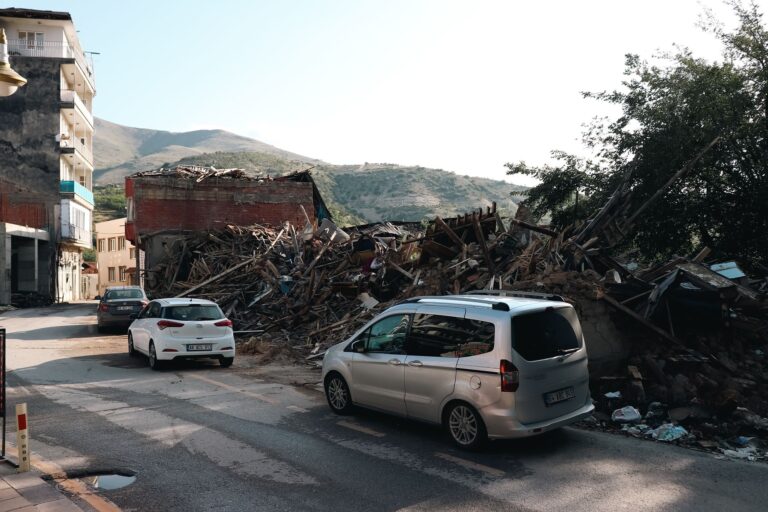
The Independent International Commission of Inquiry on Syria wrapped up a seven-day visit this week that took investigators across several of the country’s most troubled areas. They examined the aftermath of two bomb attacks in Damascus that killed at least 14 people in recent weeks, toured detention facilities in the northeast, and received testimony about vigilante violence targeting former government loyalists in Homs. It wasn’t a routine fact-finding trip. The breadth of what they witnessed reflected just how complicated Syria’s transition has become in the months since Bashar al-Assad’s government collapsed.
Investigators met with senior officials, civil society groups and survivors. They also spoke with families who’ve spent years searching for relatives swallowed up by the Assad-era security apparatus — people who were arrested, transferred and never heard from again.
The missing detainees question won’t go away
The commission is pushing Syria’s transitional authorities to establish a credible mechanism to trace the missing. Estimates of how many people were detained under the old system vary, but human rights organizations have documented more than 100,000 cases of enforced disappearance over the course of the conflict. Many families believe their relatives are still alive somewhere. Others fear the worst.
“The fate of missing detainees must be established without delay,” a commission spokesperson said following the visit. “Those responsible for serious violations must be held to account, regardless of who they are or which side they fought on.”
That last part matters. The commission made clear it’s watching not just the legacy of Assad’s forces but also the conduct of armed groups currently operating inside Syria’s borders.
New violence complicates the picture
The bomb attacks in Damascus and reports of revenge killings in Homs have rattled confidence in the transition. Still, investigators stopped short of blaming any single actor for the recent surge in violence, saying the picture remains murky. What’s clear is that state institutions are thin on the ground and armed factions still hold significant power in parts of the country.
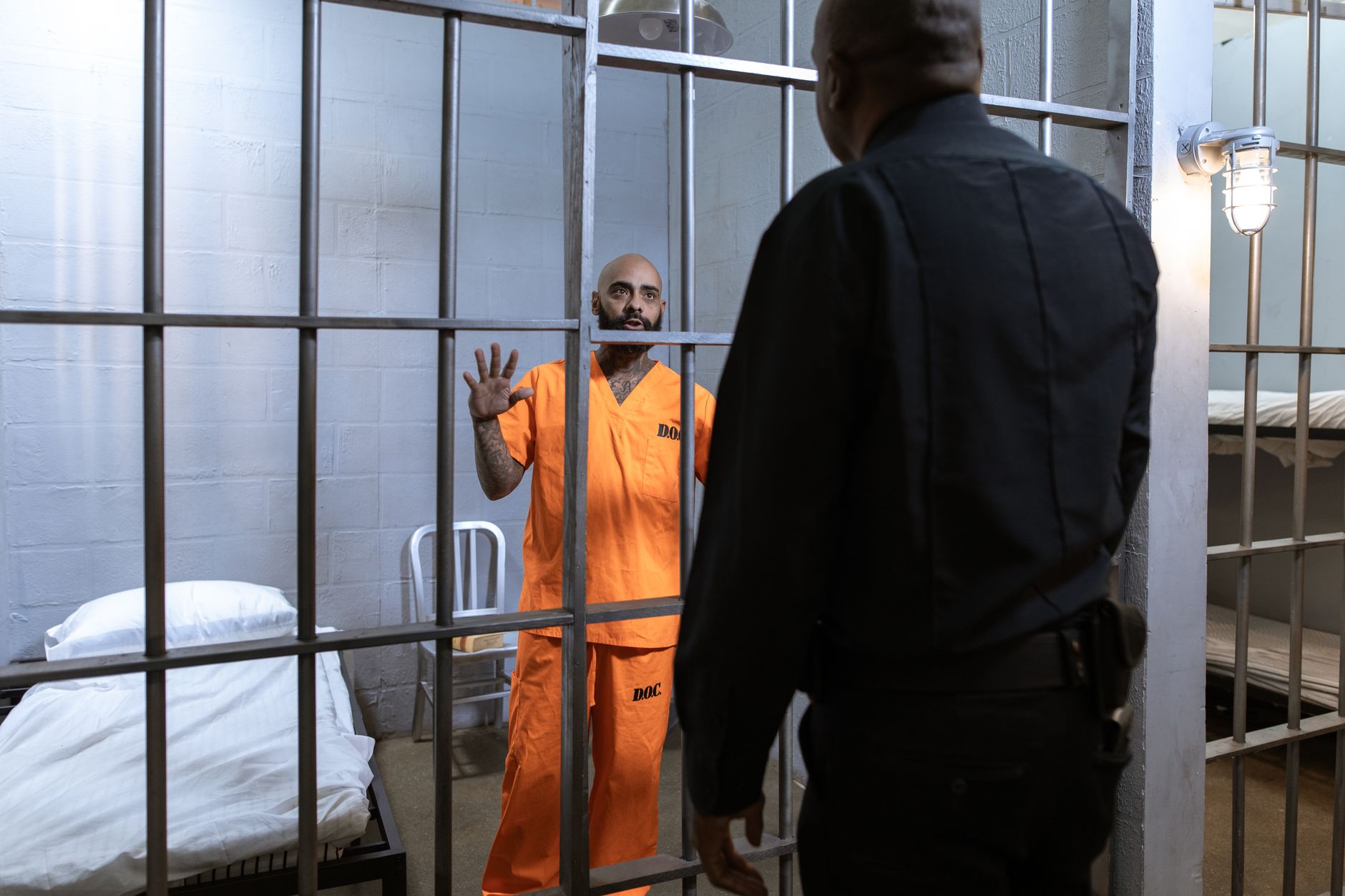
The northeast visit added another layer. Detention conditions there drew concern, with investigators noting overcrowding and what they described as inadequate legal oversight.
What happens next
Syria’s transitional government has said it’s committed to accountability but hasn’t yet outlined a concrete plan for tracing the missing. The commission’s next formal report is due before the UN Human Rights Council later this year, and investigators say they expect to return to Syria before then.
For the families still waiting, that timetable feels impossibly slow. But the commission’s visit at least signals that international scrutiny isn’t fading — and that pressure on Damascus is only going to grow.