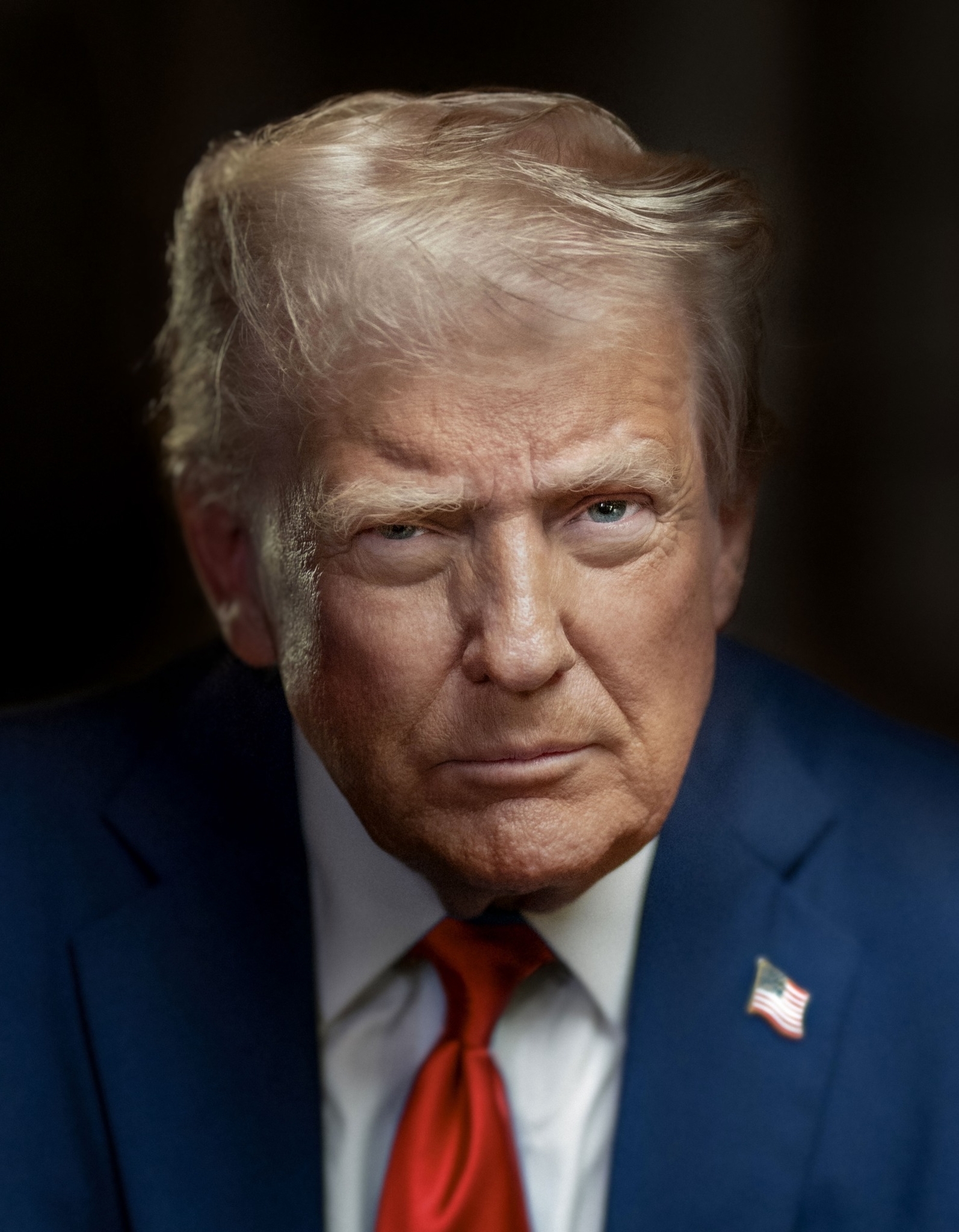
Trump to address nation Thursday amid Iran tensions and Hormuz blockade threat
President Donald Trump announced Monday that he will deliver a prime-time address to the nation this Thursday, setting off a wave of speculation in Washington just hours after he threatened to reimpose a naval blockade on Iran and slap a 20% transit fee on ships passing through the Strait of Hormuz.
Trump made the announcement on his Truth Social platform without revealing the subject of the speech. But the timing left little doubt about what’s likely on his mind.
Blockade threat rattles global markets
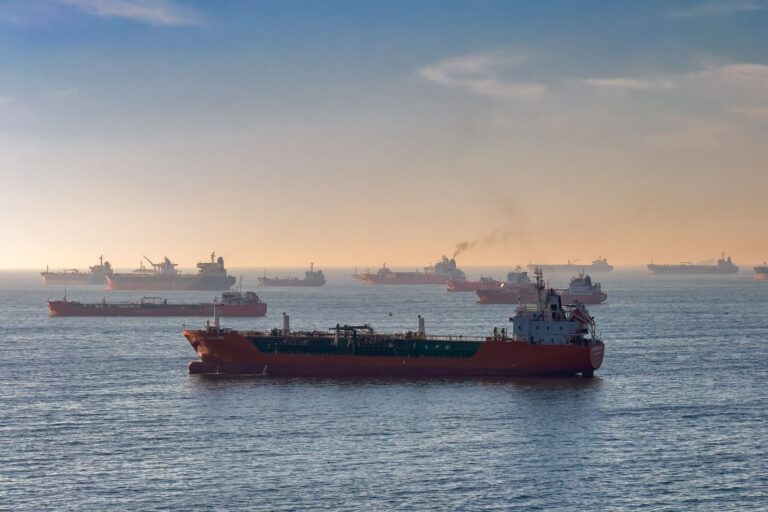
Earlier Monday, Trump posted that the United States would enforce what he called a “full naval embargo” on Iran, reviving the kind of pressure campaign his administration deployed during his first term. He also said any vessel — regardless of nationality — transiting the Strait of Hormuz would face a 20% surcharge, a move that would effectively tax roughly 20% of the world’s daily oil supply moving through that narrow passage between Iran and Oman.
Oil prices jumped nearly $4 a barrel within hours of the announcement. Shipping stocks in Asia fell sharply before the close of trading. The Strait of Hormuz handles approximately 17 million barrels of crude per day, making it one of the most strategically sensitive chokepoints on Earth.
White House stays tight-lipped on Thursday’s topic
The White House declined to confirm what Thursday’s speech would cover. A senior administration official said only that the president would “speak directly to the American people on a matter of national importance.” That’s not much to go on. Still, congressional sources told reporters they’d been given informal heads-up that the address would touch on Iran policy and broader Middle East strategy.
Prime-time presidential addresses are rare. They signal something big — or at least something the president wants to frame as big.
Iran responds with defiance
Tehran didn’t wait for Thursday. Iranian Foreign Ministry spokesperson Esmail Baghaei called the blockade threat “an act of economic warfare” and said Iran reserved the right to respond “by all available means.” The Islamic Revolutionary Guard Corps, which patrols the strait, hasn’t issued a formal statement yet, but Iranian state media quoted unnamed military officials warning of “consequences” for any American naval presence near Iranian waters.
Tensions between Washington and Tehran have been building for months, fueled by collapsed nuclear talks, Iranian drone transfers to Russian forces in Ukraine, and a series of proxy skirmishes across the Middle East.
What comes next
Congress is already divided. Several Republican senators voiced support for maximum pressure tactics, while a handful of Democrats called for emergency hearings before any military escalation. Senate Foreign Relations Committee Chairman Jim Risch said his panel would convene Wednesday — one day before Trump speaks.
Whether Thursday’s address amounts to a formal policy declaration, a warning to Tehran, or something else entirely won’t be known until the president takes the podium. But the world will be watching, and the stakes in the Persian Gulf haven’t felt this high in years.