Zelenskyy’s defence minister sacking catches Brussels off guard
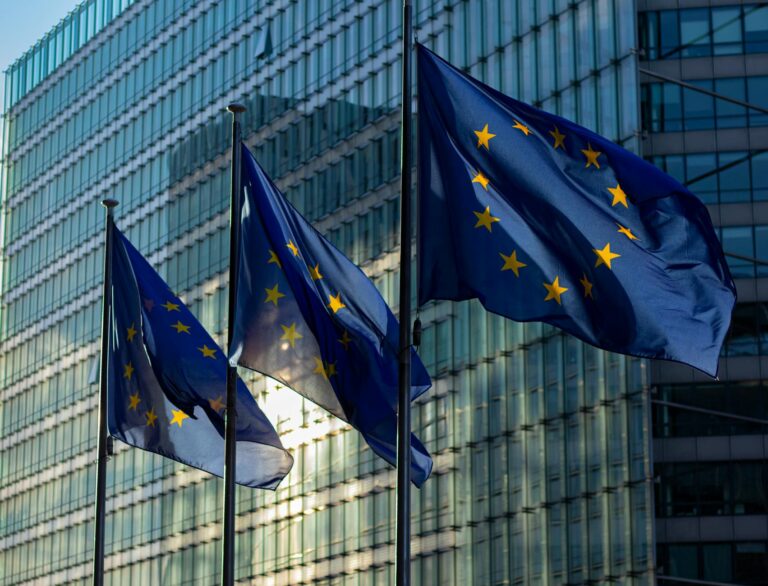
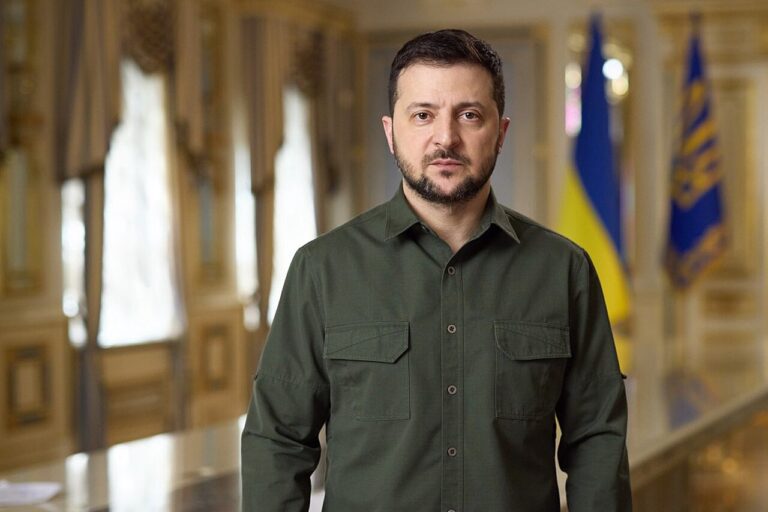
The abrupt dismissal of Ukraine’s Defence Minister Rustem Umerov has left European Union officials caught flat-footed, with multiple sources in Brussels describing the move as unexpected and poorly timed given the current state of EU-Ukraine defence cooperation.
A dismissal nobody saw coming
Umerov, who had built a reputation as one of the more technically fluent members of Zelenskyy’s cabinet, was let go without the kind of advance diplomatic signalling that Brussels has come to expect from Kyiv on major personnel decisions. EU officials who had developed working relationships with Umerov over the past 18 months said they learned about the move largely through press reports. That’s not a small thing. Defence coordination between the EU and Ukraine has required deep institutional trust, and losing a known interlocutor at this stage creates friction nobody wanted.
One senior EU official, speaking on condition of anonymity, said the bloc was “surprised by the timing and the manner” of the dismissal, adding that Umerov had been considered a reliable partner in discussions around Ukraine’s long-term military modernisation.
Why Umerov mattered to the EU
Umerov wasn’t just any cabinet minister. He had become a central figure in negotiations around the European Defence Industry Strategy and Ukraine’s integration into EU procurement frameworks. He spoke the language of digital defence infrastructure at a time when the EU is pouring billions — the bloc has committed over €7.1 billion through its European Peace Facility to Ukraine since 2022 — into modernising Kyiv’s military capabilities.
His tech fluency mattered. And it mattered specifically because the EU has been pushing Ukraine to reform its defence procurement systems and align them more closely with European standards ahead of any potential accession process.
Political turbulence in Kyiv raises questions
The sacking is part of a broader reshuffle that has seen Zelenskyy rotate several senior officials in recent months. Supporters of the moves argue it reflects a wartime president keeping his administration agile. Critics, including some within EU institutions, worry it signals deeper instability at precisely the wrong moment — with Ukraine’s battlefield situation still precarious and EU member states debating the next tranche of military assistance.
So far, Zelenskyy’s office hasn’t offered detailed public reasoning for Umerov’s removal. That silence has done little to calm nerves in Brussels.
What comes next
EU officials say they’re watching closely to see who fills the defence minister role and whether that person can maintain the momentum built up in EU-Ukraine defence dialogues. There are scheduled coordination meetings before the end of the quarter that will now require fresh introductions and relationship building.
Still, Brussels isn’t panicking — at least not publicly. The EU’s institutional commitment to Ukraine’s defence remains firm. But diplomacy runs on relationships, and starting over with a new minister takes time that, frankly, nobody on either side of this war has to spare.