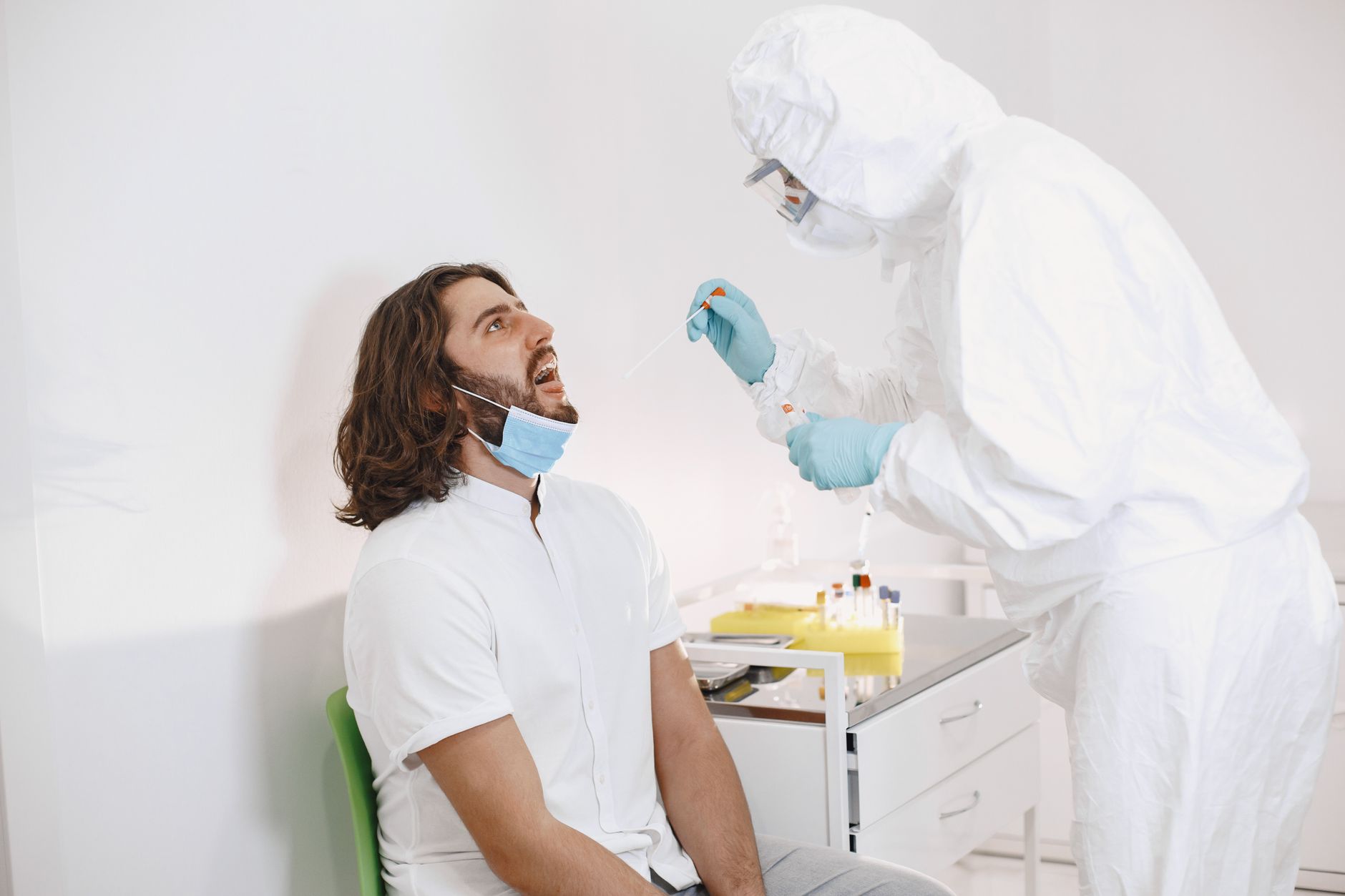
Testosterone screening ordered for US troops aged 30 and older
US Defense Secretary Pete Hegseth announced Wednesday that all military personnel aged 30 and older will be tested for testosterone deficiency as part of their routine annual health screenings, a sweeping new policy that has drawn both curiosity and criticism across the armed forces.
What Hegseth actually said
Hegseth made the announcement in a video posted to X, framing it in the kind of blunt, combative language he’s become known for since taking the Pentagon’s top job. “It’s well-established science that as we age, testosterone levels often naturally drop,” he said. The post was accompanied by a caption that read: “The High-T Department of War.” That phrase alone set social media ablaze within hours.
The policy applies to all active-duty service members who are 30 or older, a group that makes up a significant portion of the roughly 1.3 million men and women currently serving in the US military. Testing would be folded into existing annual physical examinations rather than conducted as a separate screening event.
The science — and the politics — behind the move
Testosterone deficiency, sometimes called hypogonadism, is a recognized medical condition. It affects an estimated 2 to 6 million American men, according to the American Urological Association, and symptoms can include fatigue, reduced muscle mass, and depression. But diagnosing it typically requires more than a single blood test, and treatment remains a subject of genuine debate within the medical community.
Critics were quick to point out that the announcement came with virtually no clinical framework attached to it — no word on what threshold would constitute a deficiency, what treatment options might be offered, or how results would affect a service member’s deployability or career.
Still, supporters of the move argue that optimizing the physical performance of troops is a legitimate defense priority. “Keeping our warfighters at peak readiness is the whole mission,” said one Pentagon spokesperson, who declined to be identified ahead of a formal policy rollout.
A pattern of unconventional priorities
This isn’t Hegseth’s first eyebrow-raising move at the Pentagon. Since being confirmed as Defense Secretary, he’s made a series of announcements targeting what he describes as “woke” policies in the military, including reversals on diversity programs and changes to physical fitness standards. Wednesday’s testosterone announcement fits neatly into that pattern.
And the branding matters here. Calling the Defense Department the “High-T Department of War” wasn’t accidental. It’s a deliberate signal to a specific audience — one that frames military readiness in explicitly masculine, even hypermasculine, terms.
What comes next
Details on implementation are still thin. The Pentagon hasn’t released a formal directive, a timeline, or guidance for military physicians on how to act on screening results. That leaves a lot of unanswered questions for the hundreds of thousands of service members who would fall under the new policy.
Whether this becomes a substantive medical initiative or remains largely a political statement may depend on what the Pentagon actually puts on paper in the weeks ahead.