Andy Burnham premiership offers UK a chance to rebuild optimism, says Honeyball
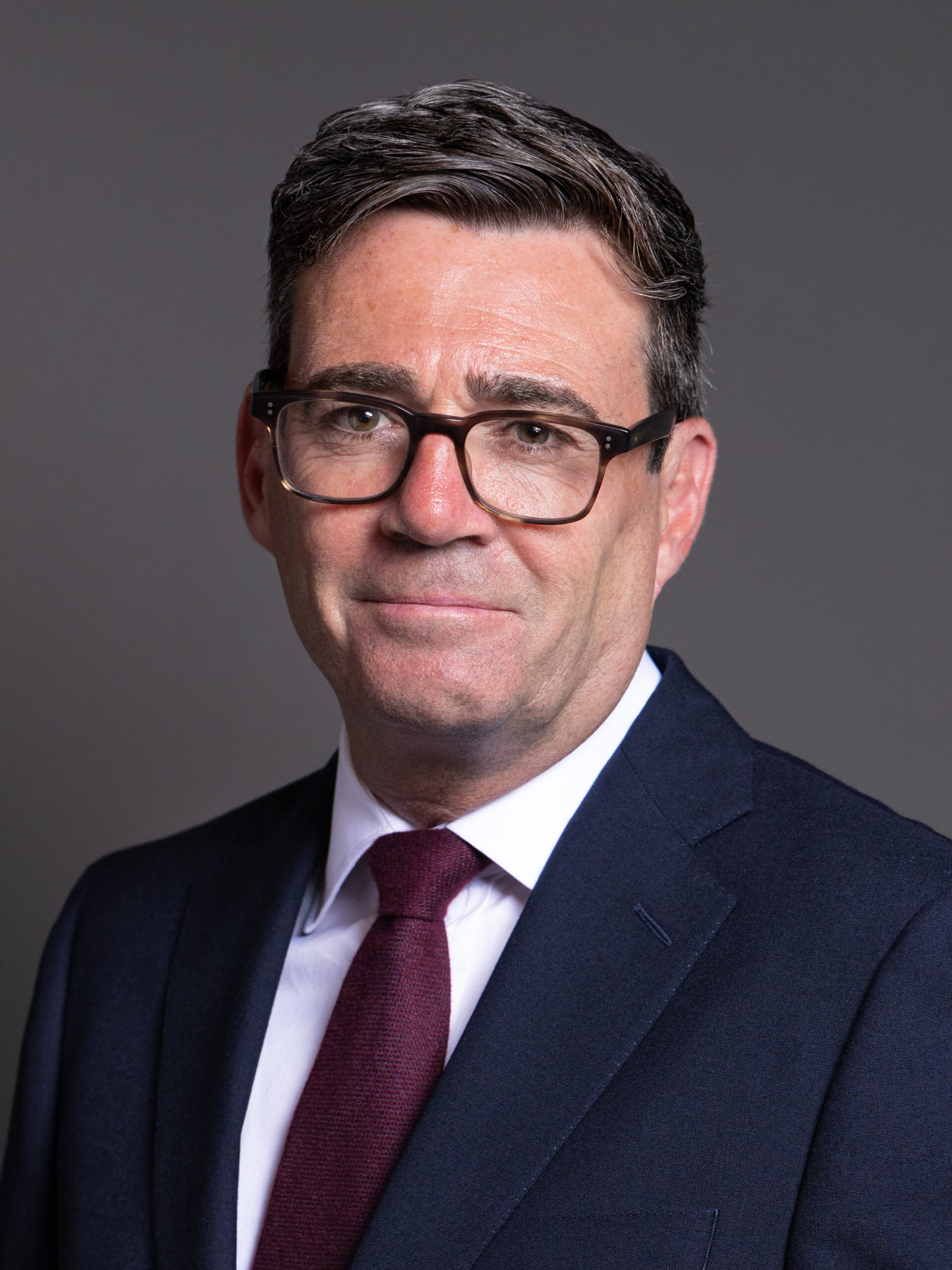
Mary Honeyball doesn’t reach for grand declarations. But when the former Labour Member of the European Parliament sat down with François Picard this week, she was clear about what she thinks Andy Burnham’s arrival at 10 Downing Street could mean for a country that’s spent the better part of a decade feeling like it’s been running on empty.
“He’s a prime minister who seems genuinely prepared to inject some optimism into the United Kingdom,” Honeyball said. “And that matters more than people might think right now.”
A cautious welcome from a seasoned voice
Honeyball represented London in the European Parliament from 2000 to 2019, nearly two full decades watching British politics from a vantage point that gave her a particular sensitivity to the gap between Westminster’s self-image and how the country actually feels from the outside. She’s not easily impressed. So her cautious but genuine warmth toward Burnham carries some weight.
She’s careful not to overstate things. This isn’t, she argues, a dramatic rupture or a sweeping political reset. It’s something more measured — a moment where the tone of leadership might finally shift in a direction that allows people to believe, again, that things could get better.
Brexit’s long shadow and the confidence deficit
Much of Honeyball’s analysis circles back to Brexit. The political and economic dislocation that followed the 2016 referendum, she says, left a confidence deficit that no government since has seriously tried to address. Trade friction, institutional fatigue, and a political culture that spent years arguing about process rather than purpose — all of it added up.
Still, she’s not interested in relitigating the past. What she wants to see is a prime minister willing to offer a more hopeful national narrative. And she thinks Burnham, who spent years as Greater Manchester’s metro mayor building a reputation for pragmatic delivery, might actually be capable of that.
That’s not nothing.
Rebalancing the centre and the regions
One of Honeyball’s more pointed observations concerns the long-standing tension between central government and local authorities. England in particular, she argues, has suffered from an overcentralised model that’s left cities and regions under-resourced and overlooked. Burnham, who governed a combined authority covering around 2.8 million people, understands that dynamic from the inside.
“There’s a real opportunity here to rebalance the relationship between Whitehall and the rest of the country,” a senior policy official familiar with the new administration said. “The question is whether the political will holds.”
What comes next
Honeyball won’t pretend the challenges aren’t enormous. Public services are stretched. Economic growth has been sluggish. Trust in political institutions, measured consistently at historic lows in recent surveys, won’t recover overnight.
But she thinks the starting point matters. A prime minister who leads with hope rather than crisis management, who takes devolution seriously, and who doesn’t treat optimism as naivety — that, she says, is at least somewhere to begin.