Trump threatens Iran with ‘major military punishment’ after Houthi attacks
President Donald Trump threatened Iran and Yemen’s Houthi rebels with “major military punishment” on Thursday, warning that any further attacks on commercial shipping in the Red Sea would be met with an overwhelming American response. The threat came hours after Houthi missiles struck two Saudi oil tankers in one of the world’s most critical maritime corridors, sending Brent crude prices surging past $100 a barrel for the first time in months.
Tanker strikes rattle global oil markets
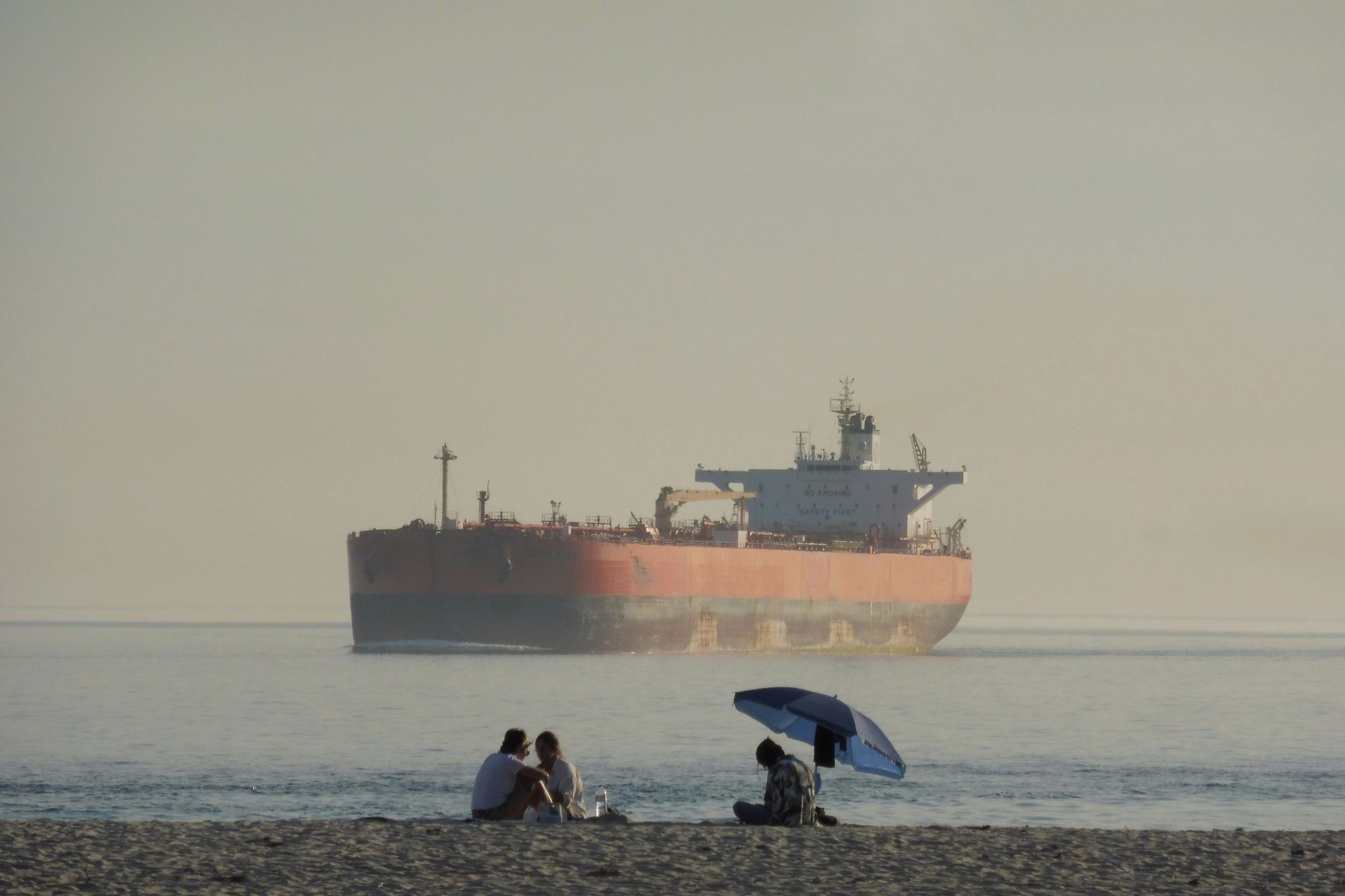
The attacks targeted vessels carrying a combined cargo of roughly 3.4 million barrels of crude, according to shipping industry sources. Both tankers sustained significant damage but remained afloat. The strikes triggered an immediate spike in energy futures, with Brent crude jumping nearly $6 in early trading before settling around $101.20 a barrel. Analysts warned that sustained disruption to Red Sea shipping lanes could push prices considerably higher in the weeks ahead.
That’s not a theoretical risk. About 12 percent of global seaborne oil trade passes through the strait, and insurance premiums for vessels transiting the region have already tripled since the beginning of the year.
Trump warns of ‘devastating’ response
Writing on Truth Social, Trump did not mince words. “Iran will face major military punishment if these attacks don’t stop immediately,” he posted Thursday morning. “We know exactly what they’re doing and where the orders are coming from. It won’t be pretty.” The White House press secretary later told reporters the administration was “actively reviewing” military options but declined to provide specifics.
Iran denied directing the strikes. A spokesperson for the Iranian foreign ministry called Trump’s statements “reckless and dangerous,” and insisted Tehran had no operational control over Houthi forces. But U.S. defense officials have long maintained that Iran supplies the group with weapons, intelligence and logistical support.
Regional tensions reach a new peak
The strikes marked one of the most serious escalations in months. Saudi Arabia condemned the attacks as “acts of terrorism” and called an emergency session of the Arab League. British and French naval assets already operating in the region were placed on heightened alert, and the U.S. Navy’s Fifth Fleet said it was monitoring the situation “with extreme vigilance.”
Still, military analysts cautioned against assuming an American strike on Iran was imminent.
“There’s a long distance between a Truth Social post and a cruise missile,” said one senior defense analyst familiar with U.S. Central Command planning. “But the trajectory here is genuinely worrying.”
What comes next
Diplomatic back-channels between Washington and Tehran, quietly reopened earlier this year, appear to be effectively frozen. Both sides are now in a familiar and dangerous holding pattern — each waiting to see whether the other blinks. With oil above $100, global recession fears resurfacing, and no clear off-ramp in sight, the pressure to act — or to de-escalate — is mounting by the hour.