El Obeid women face drones by day, rape by night for water
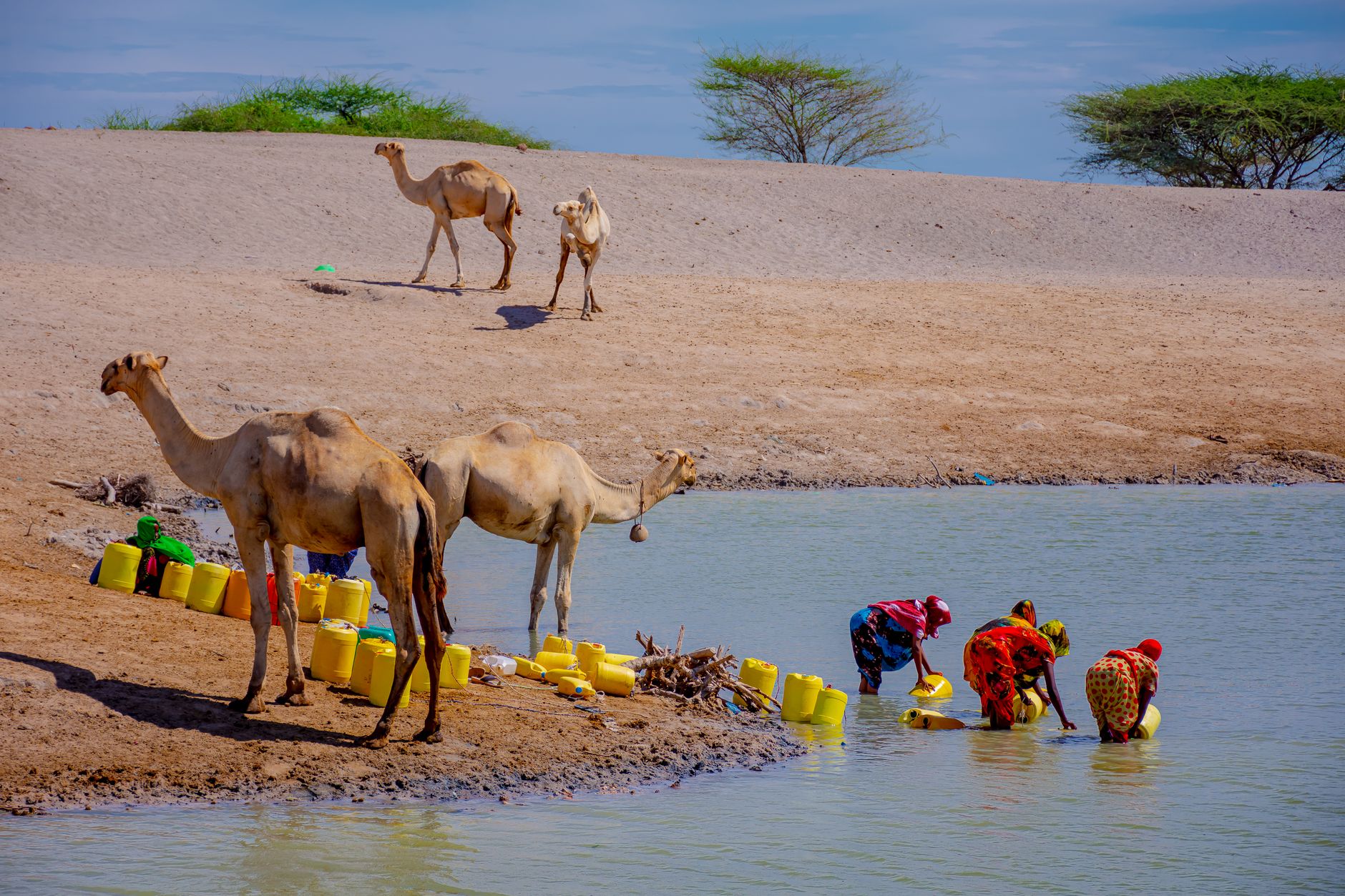
In El Obeid, the capital of North Kordofan state, women and girls are trapped between two forms of violence every time they need water. Go out in daylight and risk being killed by a drone strike. Wait until dark and risk sexual assault. There is no safe option. There is only a choice between ways of being hurt.
A city under siege and surveillance
El Obeid has been under the control of the Rapid Support Forces since mid-2024, and the city’s water infrastructure has been decimated by months of fighting. Residents say at least seven communal water points remain functional across a city that once served roughly 500,000 people. Sudanese Armed Forces drones have been striking RSF-held territory with increasing frequency, and open areas around water collection points have become kill zones during daylight hours. Women report seeing neighbors struck while carrying jerry cans. So they wait. And waiting, it turns out, carries its own lethal price.
Night brings a different danger
Aid workers and survivor testimonies collected by humanitarian organizations document a pattern that has become brutally routine. Women who attempt water collection after dark are being targeted for rape, frequently by armed men operating in the same neighborhoods where RSF forces are stationed. The UN documented over 230 cases of sexual violence in North Kordofan in the first quarter of 2025 alone, though coordinators say the real number is almost certainly far higher. Most survivors don’t report. The stigma is crushing, and there’s no functioning justice system to report to anyway.
One woman. One bucket of water. That calculation is now a matter of survival, and it’s one that thousands of women in El Obeid are making every single day.
Humanitarian access remains nearly impossible
International relief organizations have largely been unable to reach El Obeid with consistent supply runs. Convoy access from Port Sudan requires negotiating clearance from both the SAF and RSF, a process that can take weeks and still result in last-minute denial. A spokesperson for a UN humanitarian agency operating in Sudan said the situation in El Obeid represents “one of the most acute protection crises we are tracking on the continent right now,” adding that without immediate safe access guarantees, civilian casualties will continue to climb. The ICRC has reported that at least three of the city’s main hospitals are no longer fully operational, leaving sexual violence survivors with almost nowhere to access medical care, including post-rape treatment to prevent HIV transmission.
What comes next
There are no peace talks scheduled that include El Obeid specifically on the agenda. The broader Sudan conflict, now past its two-year mark since fighting erupted in April 2023, shows no credible signs of resolution. Pressure is mounting on regional bodies including the African Union and the Arab League to broker humanitarian corridors, but pressure hasn’t translated into movement yet. For the women of El Obeid, dawn tomorrow will bring the same impossible arithmetic it brought today. Drones or darkness. Neither is safe. Both are real.