Methane leak satellites can spot disasters in days – few act
Methane leak detection from space has become one of the most powerful tools in the climate fight. Satellites can now pinpoint massive emissions events within 48 hours of them occurring. But according to new analysis, only 13 per cent of the alerts generated ever prompt a meaningful response from the operators or regulators responsible.
Eyes in the sky, hands off the ground
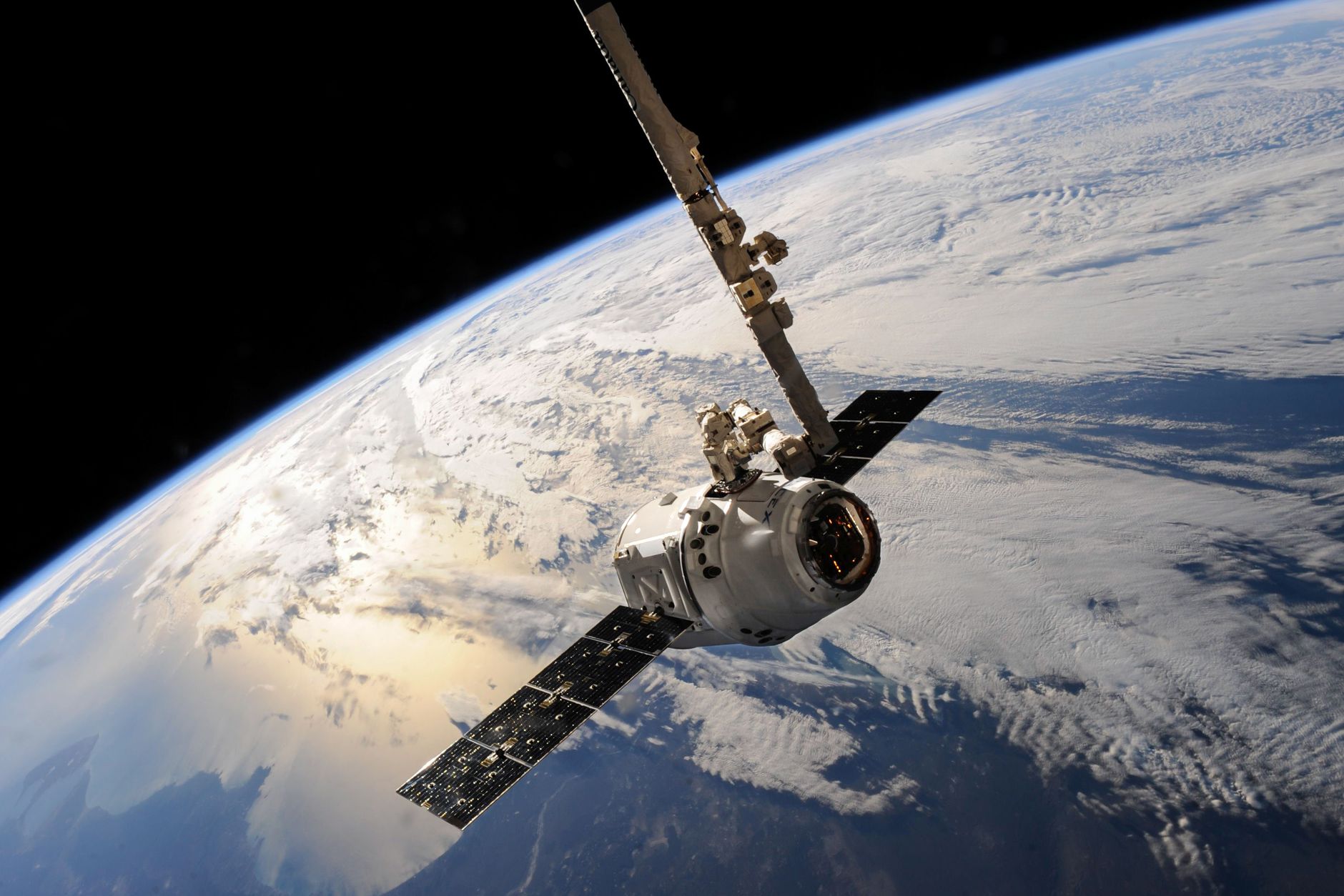
The technology itself is remarkable. Instruments aboard satellites operated by organisations like GHGSat, Planet Labs, and the European Space Agency’s Sentinel-5P can detect methane plumes the size of a football stadium from roughly 500 kilometres above Earth. Some systems flag so-called “ultra-emitter” events – single sources releasing more than 25 tonnes of methane per hour – automatically, sending alerts directly to company inboxes and government agencies within days of detection.
And yet the inbox might as well be a black hole.
Researchers tracking alert response rates across oil and gas operations in Turkmenistan, the United States, Algeria, and Russia found that the overwhelming majority of flagged leaks simply continued. In some cases, the same site was detected leaking across multiple satellite passes over weeks without any visible intervention on the ground.
Why alerts go ignored
There’s no single explanation for the low response rate, but a few patterns keep emerging. In countries with weak environmental enforcement – Turkmenistan is frequently cited – companies face almost no legal pressure to act. In wealthier nations, the problem is often more bureaucratic. Alerts don’t always reach the right person. Liability concerns sometimes mean operators are reluctant to formally acknowledge a leak they’ve been told about. And some operators dispute the satellite data’s accuracy, even when independent ground measurements confirm it.
“The detection side of this problem is largely solved,” said one senior official at a European climate monitoring agency who was not authorised to speak on record. “What we haven’t solved is the accountability side.”
The stakes are enormous
Methane is roughly 80 times more potent than carbon dioxide over a 20-year period. The oil and gas sector alone accounts for an estimated 70 to 80 million tonnes of methane emissions annually – a significant chunk of which comes from leaks and venting that are technically preventable. Fixing the worst of these leaks, experts say, is often cheap. Some repairs cost less than $10,000 and can be completed in a single day.
That’s what makes the 13 per cent figure so striking.
What comes next
Pressure is building from multiple directions. The EU’s new methane regulation, which came into force in 2024, will require importers of fossil fuels to meet stricter monitoring standards by 2027. In the US, the Environmental Protection Agency has tightened methane rules for existing oil and gas infrastructure. And a growing coalition of satellite operators is pushing for a centralised, publicly accessible database of emissions alerts – one that would make it far harder for companies or governments to quietly ignore what the cameras already see.
The satellites are watching. The question now is who’s watching the satellites’ findings – and whether anyone in power is willing to act on them before another week of preventable emissions drifts into the atmosphere.