Iran tells US the timing of war and peace is not Washington’s call
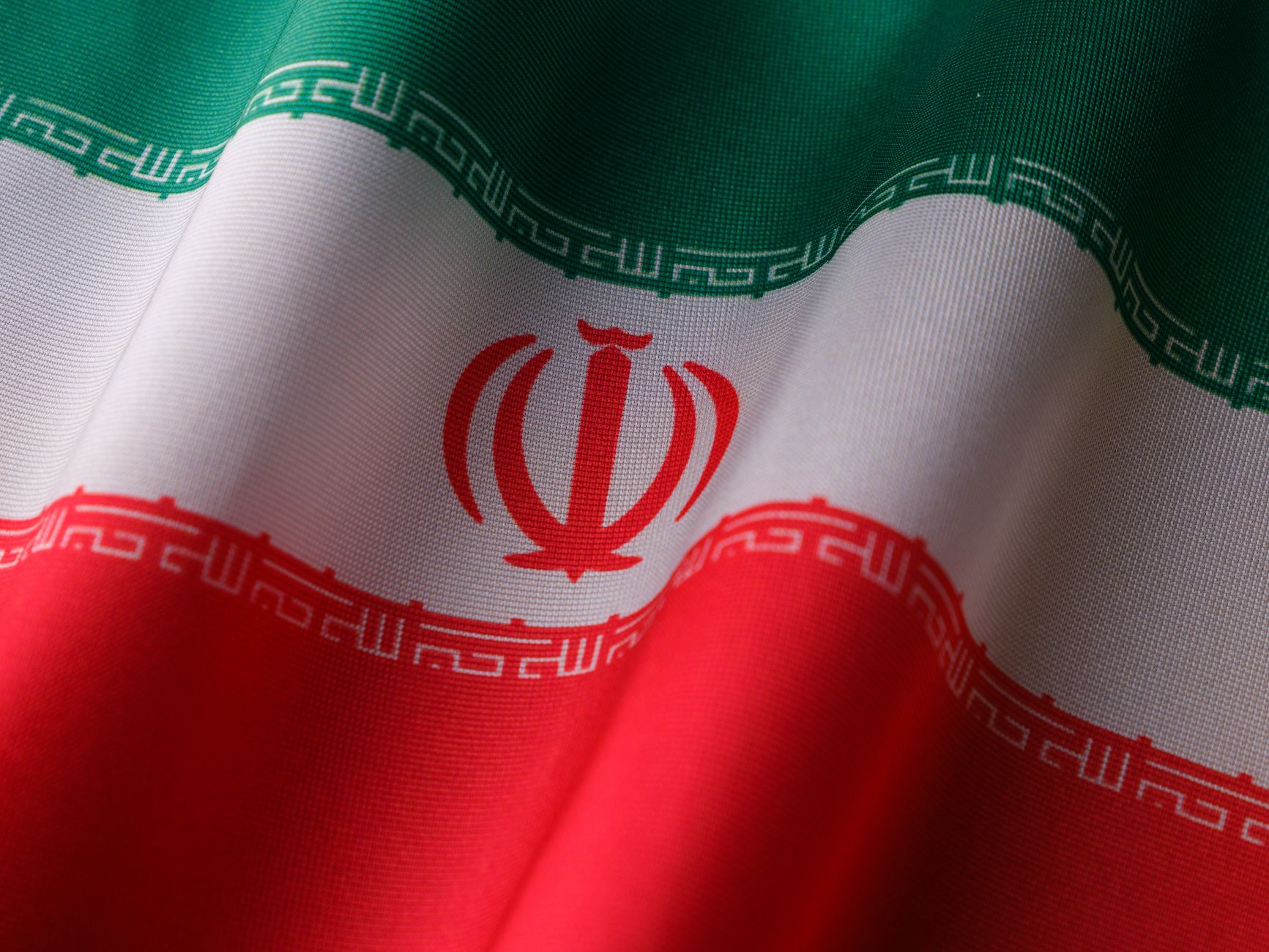
Iran’s foreign ministry fired back at Washington on Monday, declaring that the United States would not be permitted to dictate “the timing of war and peace” as tensions over a potential new nuclear agreement continued to simmer. The statement came after President Donald Trump claimed publicly that Tehran had reached out seeking negotiations — a claim Iran flatly denied.
Tehran pushes back on Trump’s account
Foreign ministry spokesman Esmail Baghaei said Iran’s diplomatic posture was being mischaracterized. Trump had told reporters last week that Iran “wants to make a deal” and that intermediaries were actively involved in early-stage talks. But Tehran’s version is different. Iranian officials insist they haven’t formally requested direct negotiations with Washington, and they’re not about to let that framing stand unchallenged.
“No party can impose the conditions or the calendar of diplomacy on the Islamic Republic,” Baghaei said in a statement released through state media.
It’s a pointed message. And it signals that even if some form of back-channel contact exists, Iran won’t publicly accept the optics of coming to the table on American terms.
Mediators are still in play
Behind the rhetoric, diplomatic activity hasn’t stopped. Omani officials, who helped broker indirect communications between Tehran and Washington during previous rounds of talks, are understood to still be engaged. European diplomats have also been circling, hoping to salvage something from the collapsed interim agreement that fell apart in late 2024 after three rounds of negotiations in Geneva produced no binding commitments.
That interim deal would have seen Iran cap uranium enrichment at 60 percent in exchange for limited sanctions relief — roughly $10 billion in frozen assets. It never got signed. Now both sides are maneuvering over who holds leverage and, critically, who appears to be asking for what.
The enrichment question won’t go away
Iran currently enriches uranium to 60 percent purity, a level that has no civilian justification and sits uncomfortably close to the 90 percent threshold needed for weapons-grade material. The International Atomic Energy Agency reported in February that Iran’s stockpile of 60-percent enriched uranium had grown to approximately 274.8 kilograms — enough, experts say, to produce several nuclear devices if enriched further.
Washington wants that number down. Tehran wants sanctions off first. Neither side has publicly blinked.
Still, the fact that mediators are active and that both governments are talking about talks — even if they’re arguing about who initiated them — suggests the door isn’t fully closed.
What comes next
Analysts watching the situation don’t expect a breakthrough in the near term. Trump’s maximum pressure posture, combined with Iran’s domestic political calculus ahead of its own internal power dynamics following Supreme Leader Ali Khamenei’s declining public appearances, makes bold compromises unlikely before summer.
But diplomacy has survived worse odds. The next few weeks, particularly any Omani-mediated exchanges, will tell a lot about whether this standoff stays cold or gets considerably hotter.