Wildfire preparedness: How Australia blends tech and Indigenous wisdom
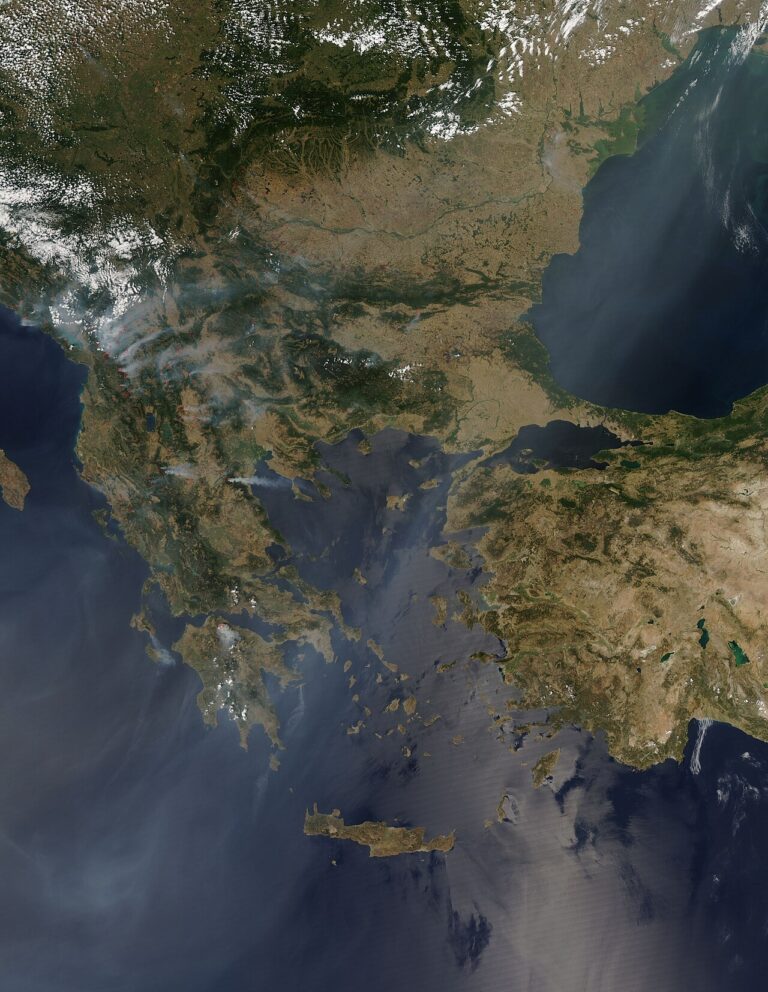
As southern Europe watches hillsides burn and emergency services scramble to contain blazes that have already scorched more than 500,000 hectares this summer, Australia has quietly spent two decades building one of the world’s most sophisticated wildfire management systems — one that pairs satellite imaging and AI-driven prediction tools with knowledge that is tens of thousands of years old.
Learning from catastrophe
Australia didn’t arrive at this position comfortably. The Black Summer fires of 2019–2020 killed 33 people directly, destroyed roughly 3,000 homes, and burned through nearly 18.6 million hectares. It was a national trauma. But it also forced a reckoning. Federal and state governments poured investment into early warning infrastructure, and crucially, started listening to Aboriginal communities who had been managing country through controlled burns long before European settlement.
That shift wasn’t small. It was a fundamental change in how fire agencies think about risk.
Ancient fire, modern data
Today, agencies like the New South Wales Rural Fire Service use satellite-linked sensor networks and machine learning models to forecast fire behaviour up to 72 hours in advance. Weather stations feed real-time data into platforms that can predict how a fire front will move across terrain, factoring in wind shifts, fuel moisture levels, and topography. Some models now carry an accuracy rate above 85 percent for short-range predictions.
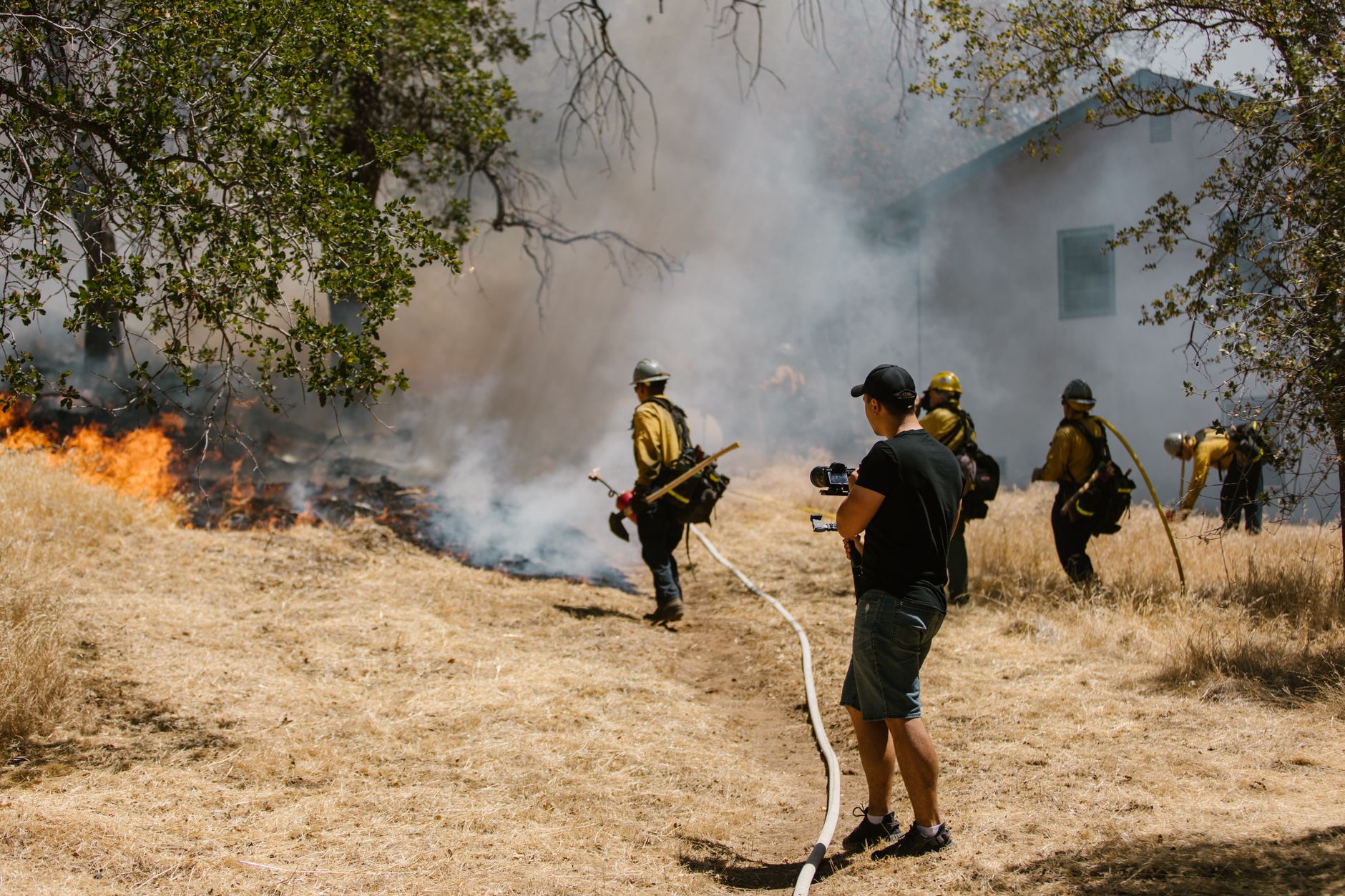
But the technology works best when it’s layered onto traditional ecological knowledge. Aboriginal land managers, known in many communities as rangers, conduct what’s called cultural burning — low-intensity, mosaic burns carried out at specific times of year determined by seasonal cues like flowering plants and animal behaviour, not just calendar dates. These burns reduce fuel loads, promote biodiversity, and create natural firebreaks across landscapes that satellite data alone can’t fully interpret.
“We’re not replacing one approach with the other,” said a spokesperson for the National Indigenous Australians Agency. “We’re finally letting them talk to each other.”
Coordination on the ground
In Victoria, joint fire management teams now embed Aboriginal rangers alongside state fire officers during high-risk seasons. The Firesticks Alliance Indigenous Corporation has trained more than 1,200 practitioners across the country since 2015. And community-controlled fire management plans now cover portions of land in the Northern Territory that were previously managed reactively — putting out fires instead of preventing them.
So the results are measurable. Areas under active cultural burning programs have shown up to 40 percent less severe fire damage during bad seasons compared to adjacent unmanaged land, according to data from the CSIRO.
What Europe might take from all this
European fire agencies are watching closely. Delegations from Portugal and Greece visited Queensland in early 2024 specifically to study the integrated model. It won’t translate directly — different vegetation, different fire seasons, different Indigenous relationships with land. Still, the core idea travels well: that the best fire management isn’t purely reactive, and that communities closest to the land often carry knowledge that no algorithm has yet learned to replicate.
Australia is still refining the system. But it’s built something real.