Recovery in Ukraine shapes new lives amid relentless war
Recovery in Ukraine is happening quietly, stubbornly, in places you might not expect. Not in grand political declarations or ceasefire agreements, but in a kindergarten in Zaporizhzhia where 23 children learned to read last month, in a maternity ward in Lviv where 14 babies were born in a single week, and in a community center in Kharkiv where volunteers repaired a heating system before the first hard frost arrived.
Classrooms refusing to go dark
Teachers across the country have become masters of improvisation. In Mykolaiv, one school operates on a split schedule — half the students attend in the morning, half in the afternoon — because the building’s basement shelter can only hold 60 people at a time. Still, attendance is at 78 percent. That’s not nothing. That’s a statement.
Oksana Petrenko, a 34-year-old primary school teacher in Kherson, hasn’t missed a single day since her school reopened in March. She drives 40 minutes each way on roads that are still being cleared of debris. “The children need to see that normal life didn’t stop,” she said. “If I stop coming, what does that tell them?”
Hospitals holding the line
Ukrainian hospitals are operating under conditions that would overwhelm most healthcare systems. And yet they adapt. The main regional hospital in Dnipro has performed over 3,400 surgeries since January, many of them on wounded soldiers transferred from the front. At the same time, its maternity unit delivered 612 babies in the first half of this year.
Funding from international partners has helped, but it’s the staff that makes the difference. Nurses working 12-hour shifts. Surgeons who sleep in on-call rooms for days at a time. The hospital’s director noted that staff turnover has actually dropped compared to pre-war levels. People aren’t leaving. They feel needed.
Communities stitching themselves back together
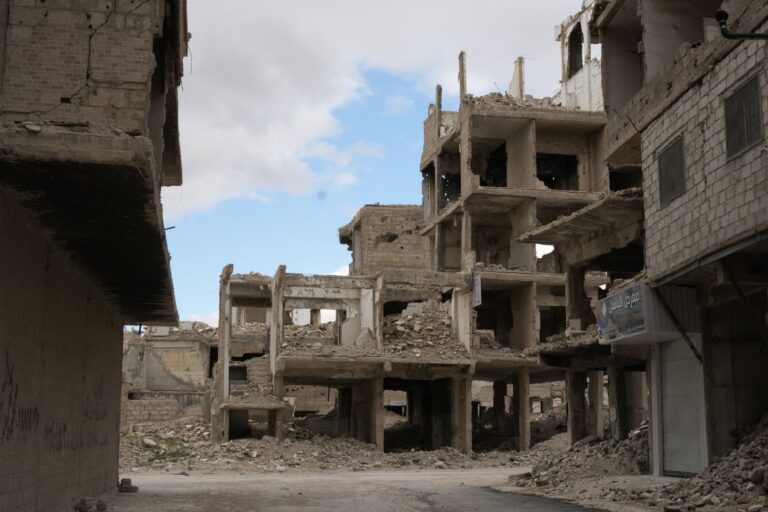
In towns like Irpin and Borodianka, where Russian forces caused widespread destruction in 2022, local reconstruction efforts have moved faster than outside observers expected. More than 1,100 residential buildings have been at least partially restored in Kyiv Oblast alone. But the emotional rebuilding takes longer than the physical kind. Community psychologists in six regions reported a 40 percent increase in residents seeking mental health support this year — and officials say that’s a sign of progress, not crisis.
“People are asking for help. That means they believe help is possible,” said a spokesperson for Ukraine’s Ministry of Social Policy.
What comes next
None of this is easy. None of it is clean or linear. Families are still displaced, infrastructure is still being bombed, and the war shows no sign of ending on anyone’s timeline.
But recovery in Ukraine isn’t waiting for peace to arrive first. It’s being built now, imperfectly, one repaired boiler and one newborn and one school day at a time. That’s the story the numbers tell, if you look closely enough at them.