Russian drones target medics in Ukraine as attacks on ambulances rise
Ukrainian emergency workers are facing a terrifying new reality on the front lines: Russian drones are deliberately hunting ambulances and medical personnel, turning the act of saving lives into a death sentence. Paramedics and rescue teams across eastern and southern Ukraine say the attacks have become more frequent, more precise, and harder to survive.
Running from the drone
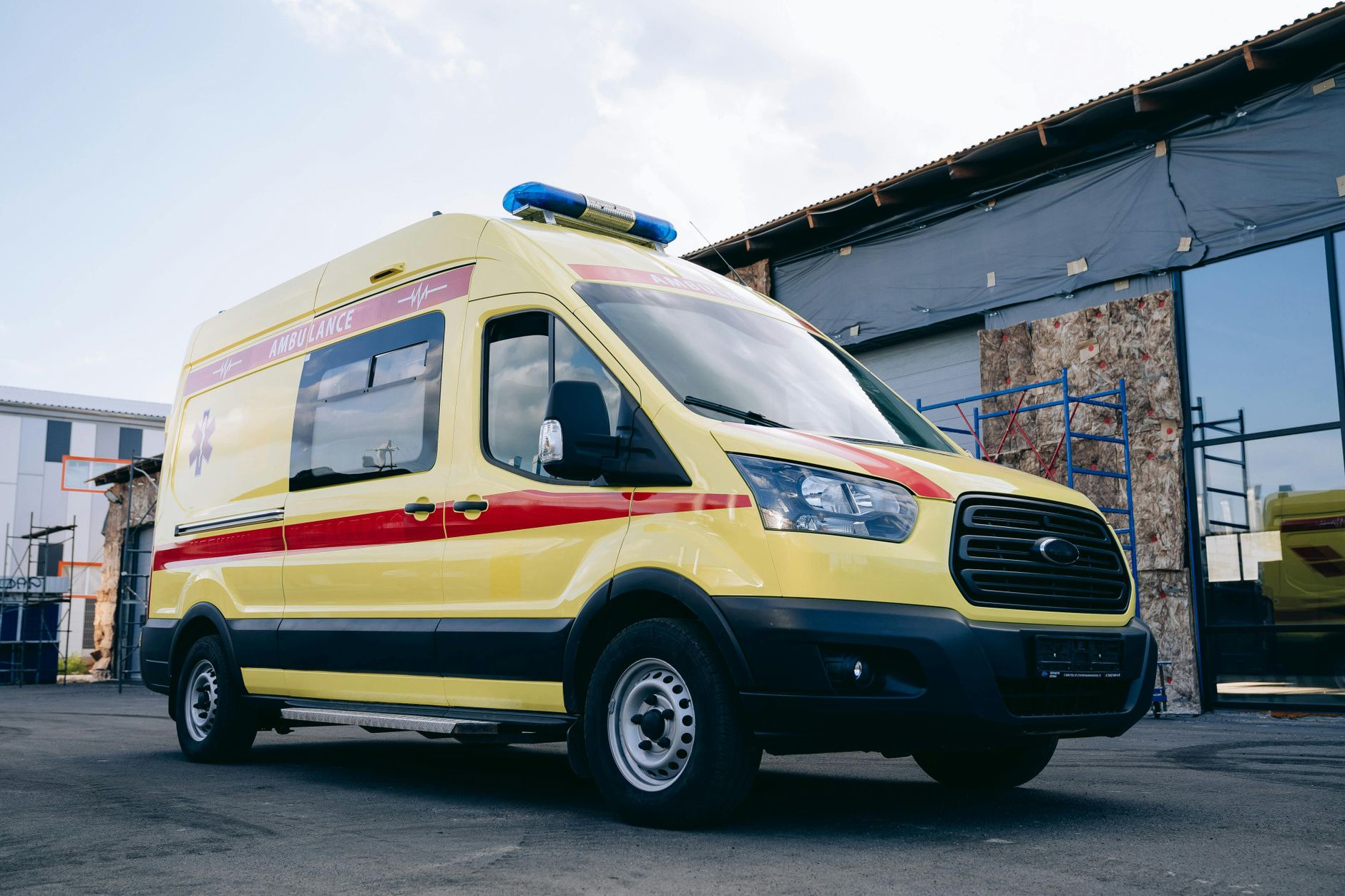
Olena Kovalchuk, a 34-year-old paramedic from Zaporizhzhia, described abandoning her ambulance mid-response after spotting a drone overhead last month. “I ran because I knew I would die,” she said. “I left everything and just ran into a building.” Minutes later, the vehicle was struck. It’s not an isolated story. Across the Donetsk and Kherson regions, at least 23 ambulances have been destroyed or damaged in the past three months alone, according to figures from Ukraine’s State Emergency Service.
Medics say the drones — mostly first-person view, or FPV, models that cost as little as $400 each — appear to track vehicles even after the crews spot them and stop moving. Some crews have started using civilian cars without markings. Others won’t respond to calls near active shelling at all.
Hospitals hit, too
It’s not just ambulances. Ukraine’s Health Ministry says 14 medical facilities have sustained damage from drone or missile strikes since January, including a maternity ward in Kherson that was hit twice in six weeks. Staff at one regional hospital described taping blackout curtains over every window and turning off internal lighting during night shifts.
Still, the work continues. Doctors operate by flashlight. Nurses move patients into basement corridors when alerts sound. But that resilience comes at a cost — burnout, staff shortages, and a growing unwillingness among medical graduates to accept postings anywhere near the front.
‘A clear pattern of targeting’
International humanitarian organizations have taken notice. A spokesperson for the International Committee of the Red Cross said the organization has documented what it described as “a pattern of incidents affecting medical transport and facilities in conflict-affected areas of Ukraine” and called on all parties to respect protections guaranteed under international humanitarian law. That’s a carefully worded statement, but its meaning is plain enough.
Russia has not publicly acknowledged targeting medical infrastructure and denies deliberately striking civilian sites.
What comes next
Ukrainian officials are now pushing for emergency drone-jamming equipment to be allocated specifically to ambulance services, alongside armored medical vehicles. So far, only a handful of frontline units have access to either. A request for additional protective equipment has been submitted to several NATO partner countries, though no commitments have been publicly announced.
For Olena Kovalchuk, the policy debates feel distant. She’s back at work, responding to calls in a borrowed car with the red cross painted over in grey. “We don’t stop,” she said. “But we’re scared every single shift.”