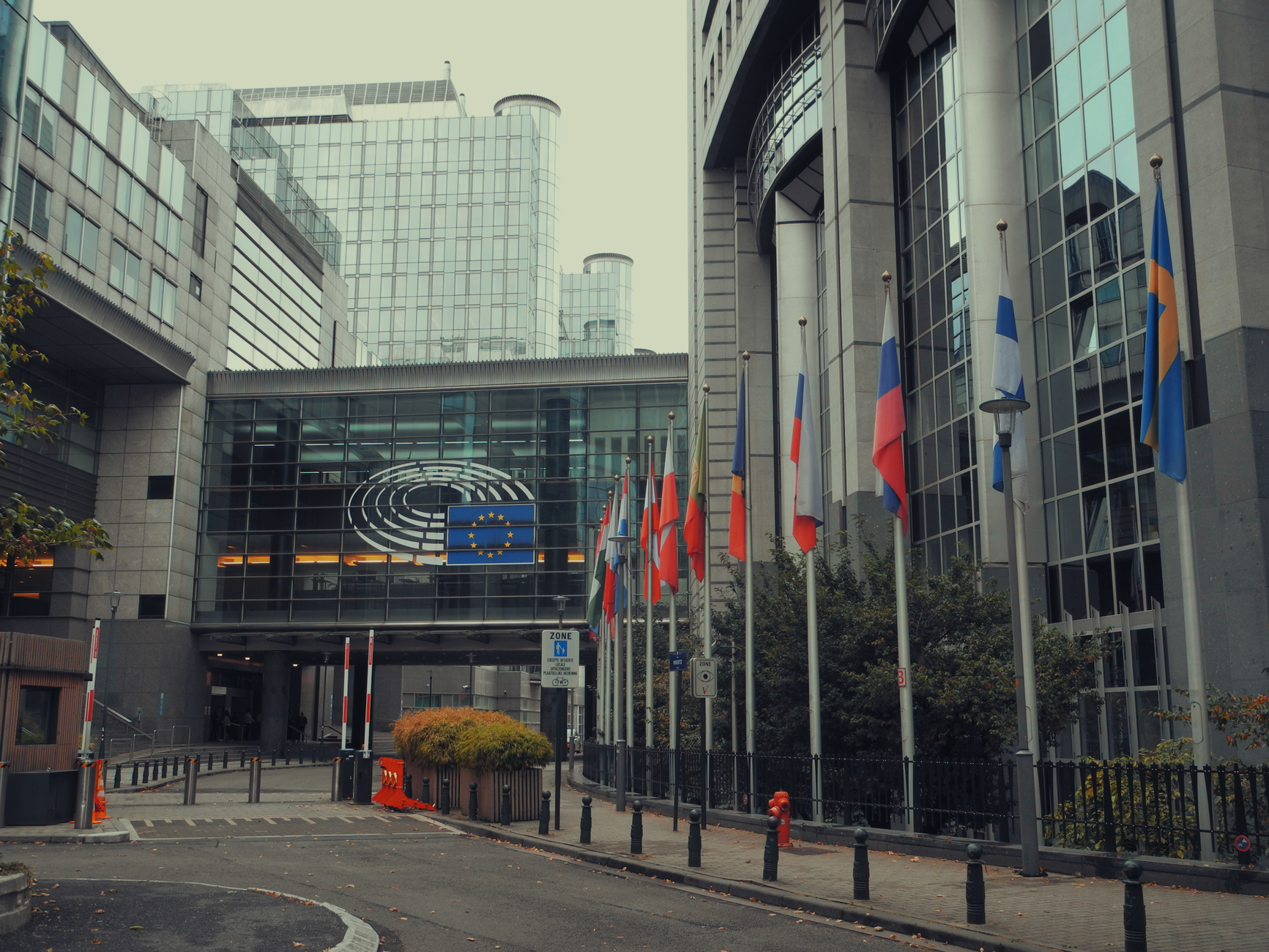
EU enlargement: Can Brussels finally deliver on its promises?
The European Union’s long-running promise to welcome new members is facing its most serious credibility test in decades, with candidate countries growing visibly impatient and geopolitical pressure mounting from every direction. Ukraine, Moldova, the Western Balkans — they’re all waiting. And the clock is ticking.
A process measured in decades, not years
Serbia applied for EU membership back in 2009. Albania in 2009. North Macedonia has been knocking on the door since 2005. These aren’t new conversations. They’re generational ones. And for many people in these countries, the repeated delays have curdled initial enthusiasm into something closer to resignation.
Ukraine and Moldova, granted candidate status in June 2022 following Russia’s full-scale invasion, injected fresh urgency into a process that had effectively stalled. But urgency and action aren’t the same thing. Brussels opened formal accession negotiations with Kyiv and Chișinău in June 2024, yet critics say the institutional machinery required to actually absorb new members remains deeply unprepared.
The internal reform problem nobody wants to talk about
Here’s the uncomfortable truth: the EU itself isn’t ready. Voting rules, budget structures, the size of the European Commission — all of these would need significant overhaul before an enlarged union of 35 or more member states could function properly. That’s a political conversation that existing members have been reluctant to have.
A senior European Commission official, speaking on background, put it plainly: “We cannot keep asking candidate countries to reform while we ourselves avoid difficult internal changes. The credibility gap is real.”
Germany and France have historically pumped the brakes on rapid enlargement, worried about the fiscal implications and the dilution of voting power. But the war in Ukraine has shifted the calculus — at least rhetorically. Whether that shift translates into actual treaty reform is another matter entirely.
The geopolitical stakes
China and Russia haven’t been sitting idle. In Serbia, Chinese investment has grown substantially, while pro-Russian sentiment — stoked by disinformation campaigns — has complicated Belgrade’s EU path. In Georgia, which was granted candidate status in December 2023, mass protests erupted after the government shelved EU accession talks in late 2024, exposing just how volatile the political ground has become.
It’s now or never, as one frustrated Western Balkans diplomat reportedly told EU counterparts last autumn. The window won’t stay open indefinitely.
What comes next
The European Commission is expected to publish its annual enlargement progress reports later this year, with Ukraine’s report carrying particular symbolic weight. Analysts at the European Policy Centre estimate that genuine Ukrainian accession — even under an accelerated timeline — remains at least a decade away, pending both domestic reforms and EU institutional changes.
Still, momentum matters. And right now, momentum is fragile. Whether EU leaders treat enlargement as a genuine strategic priority or continue managing it as a slow-burning diplomatic process may well define Europe’s geopolitical character for the next generation.