Strasbourg to vote tomorrow on Slovakia rule of law resolution
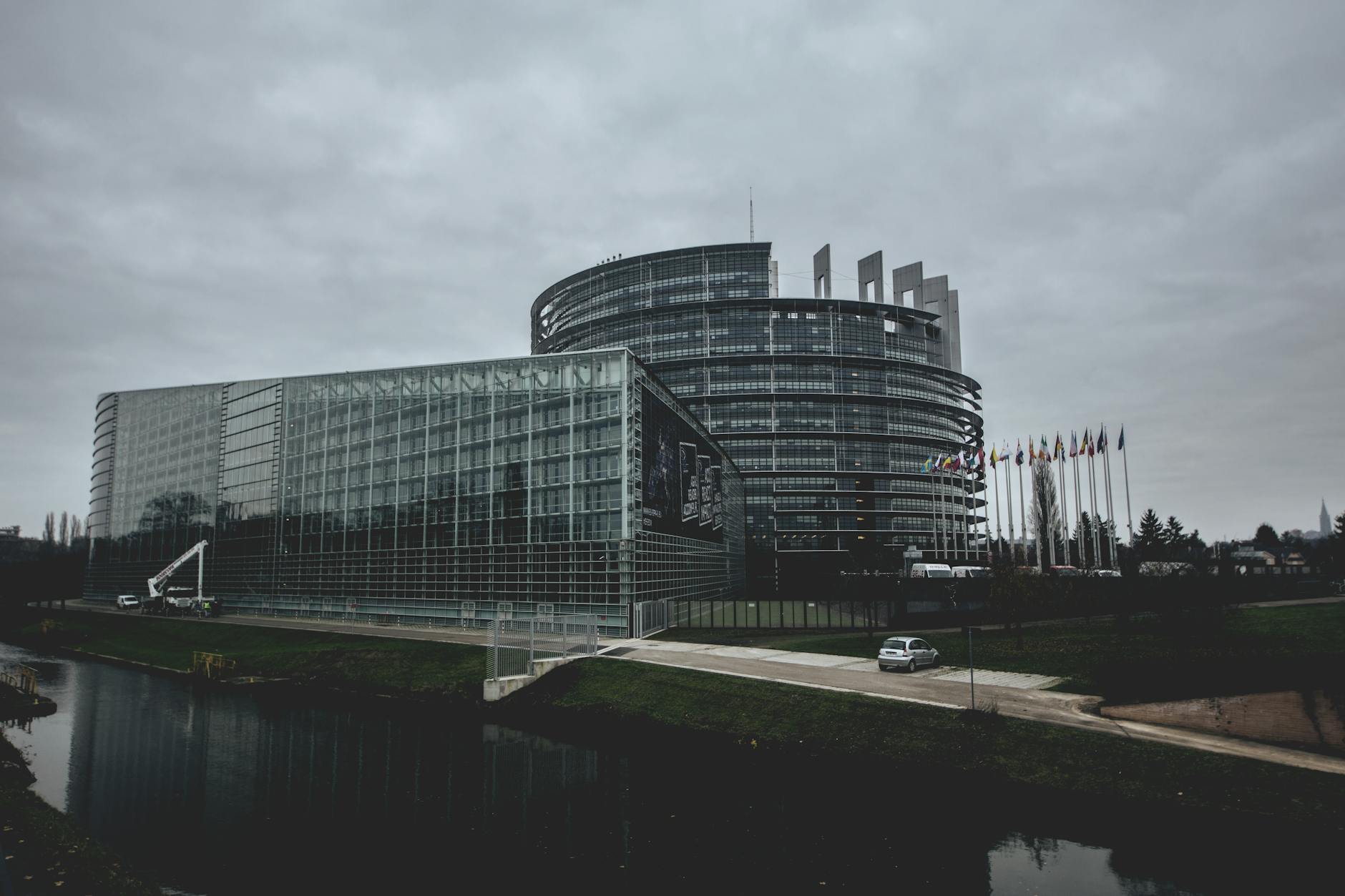
The European Parliament will hold a plenary vote in Strasbourg on Thursday 21 May 2026 on a resolution calling for an urgent EU response to what its sponsors describe as democratic backsliding in Slovakia under Prime Minister Robert Fico. The resolution, championed by the Renew Europe group, calls for the restoration of anti-corruption safeguards, protection of postal voting rights for Slovaks abroad, and full investigations into the alleged misuse of EU funds, including through the Agricultural Paying Agency.
The findings of a 2025 fact-finding mission
The case for the resolution rests on the conclusions of a 2025 fact-finding mission to Bratislava conducted by the Parliament’s Civil Liberties, Justice and Home Affairs Committee (LIBE). According to the mission’s report, anti-corruption bodies have been dismantled, judicial independence has been undermined, and fundamental rights have been eroded since the Fico government assumed office in October 2023. The Renew group, in its plenary priorities note for the week, has summarised the position bluntly: “Democracy in Slovakia is under threat.”
The rule-of-law conditionality mechanism
The resolution goes further than political rhetoric. Where concerns persist, the European Commission is being asked to trigger the rule-of-law conditionality mechanism — a procedure that can result in the suspension of EU funds until democratic standards are restored. The mechanism was first activated against Hungary in 2022 and has since become one of Brussels’s most consequential disciplinary instruments. The Commission’s eventual decision on whether to follow Parliament’s call will be politically sensitive given the size of EU transfers to Bratislava under the Recovery and Resilience Facility and the cohesion envelope.
What the resolution asks for in concrete terms
Beyond the conditionality call, the draft resolution flags three specific concerns. First, the dismantling of Slovakia’s Special Prosecutor’s Office and the parallel weakening of the National Criminal Agency, both of which had built portfolios of high-profile investigations against political figures before being absorbed or restructured. Second, the postal-voting reform that restricts the ability of Slovaks abroad to participate in national elections — a measure that critics argue disproportionately affects the diaspora that historically votes against the ruling coalition. Third, the allegations of misuse of EU agricultural funds through the Agricultural Paying Agency, where opposition MPs have published documentation pointing to irregular awards.
The Fico government’s likely response
The Slovak government has historically rejected Parliament resolutions of this kind as interference in its internal affairs. Prime Minister Fico, who returned to office in late 2023 after a campaign that combined anti-Brussels rhetoric with strong opposition to military assistance for Ukraine, has consistently framed external scrutiny of his domestic agenda as politically motivated. The Slovak Permanent Representation in Brussels has so far declined to comment on the substance of the draft resolution beyond a statement reiterating that “matters of judicial organisation fall within the exclusive competence of Member States.”
The wider plenary context
The Slovakia vote takes place on the final day of the May plenary session, which has also handled the foreign investment screening regulation, the EU steel safeguards file, the Question Time with High Representative Kaja Kallas, and the inaugural ceremony for the European Order of Merit. President Roberta Metsola has placed rule-of-law enforcement at the heart of her presidency, and Thursday’s vote will be read as a measure of how far the new political balance in the chamber is prepared to push on the issue.
Sources: Renew Europe Plenary Priorities 18-21 May 2026; European Parliament agenda; Council of the European Union; LIBE Committee fact-finding mission report 2025.