Lebanon displacement: 860,000 return home amid ongoing crisis
Around 860,000 displaced Lebanese have returned to their homes in the south of the country following months of devastating conflict, but the United Nations warned Tuesday that the humanitarian emergency is far from resolved — and for hundreds of thousands of people, the hardest part may still be ahead.
A massive return, but not a recovery
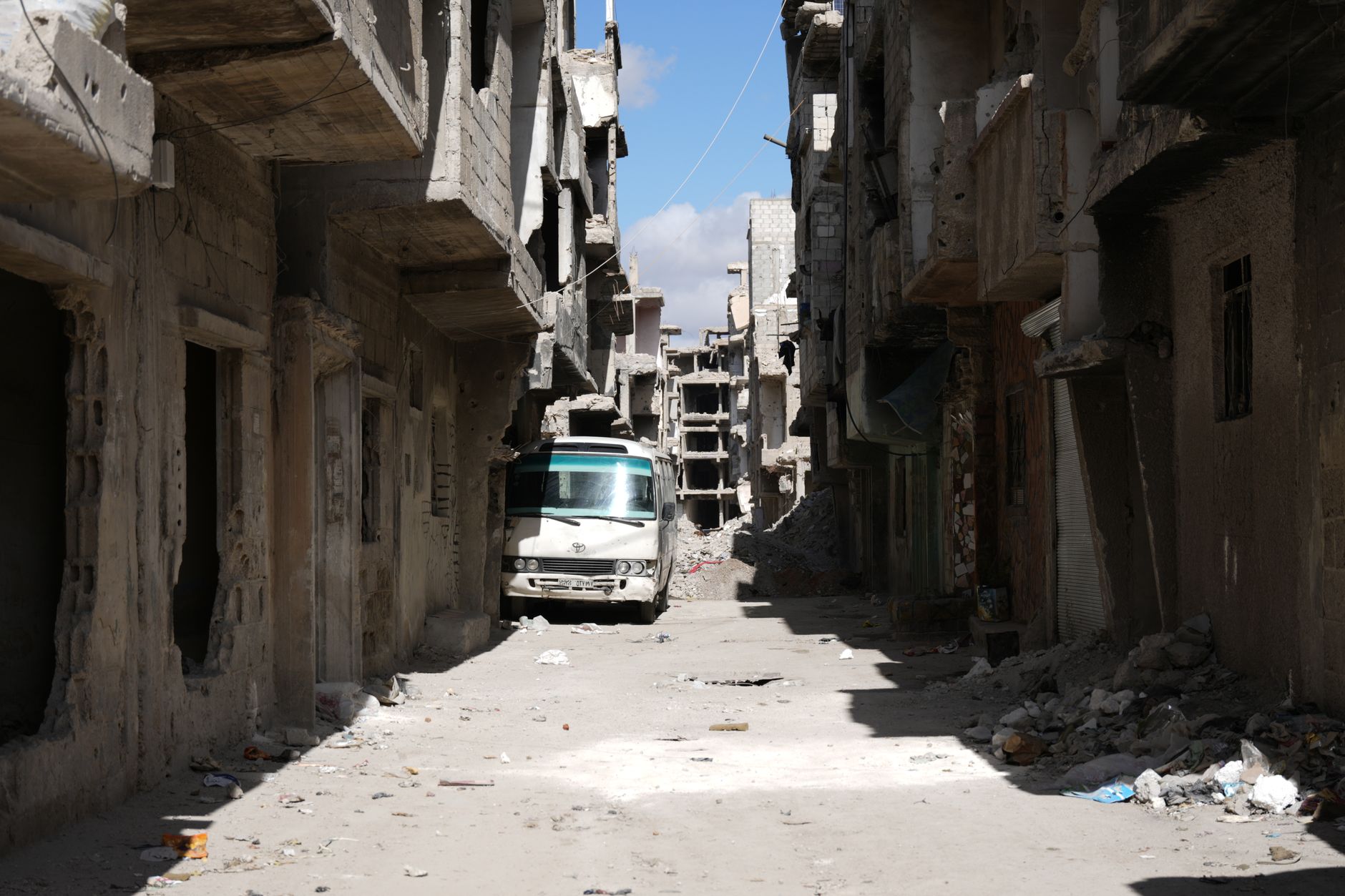
The scale of the return is striking. In the weeks since a ceasefire took hold, nearly a million people have flooded back to villages and towns across southern Lebanon. But what many found when they got there wasn’t a home. It was rubble. Entire neighborhoods have been flattened. Infrastructure that took decades to build is gone. Roads are impassable, water systems are destroyed, and hospitals that once served these communities are either damaged or completely out of operation.
The UN made clear that the displacement and humanitarian crisis are “far from over.” That’s not bureaucratic caution. That’s a warning grounded in what aid workers are seeing on the ground every single day.
The numbers behind the crisis
Before the ceasefire, an estimated 1.2 million people had been forced from their homes across Lebanon. The 860,000 who have returned represent a significant portion of that total — but it still leaves hundreds of thousands in temporary shelters, with relatives, or scattered across the country without stable housing.
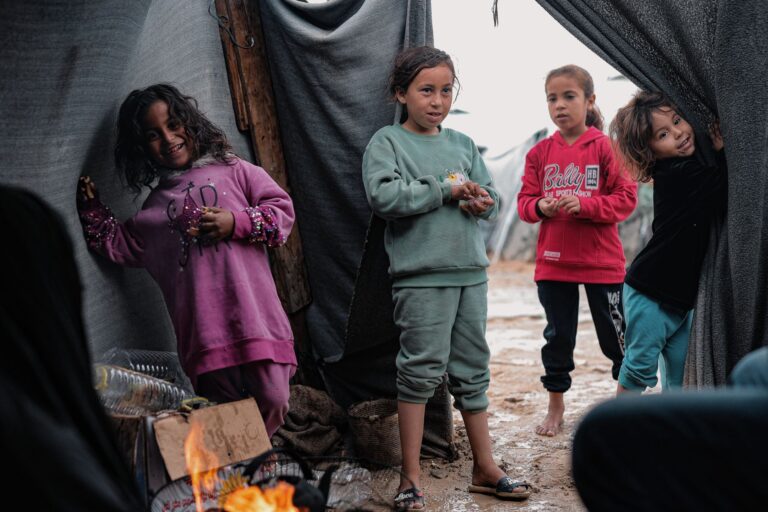
In some of the hardest-hit areas near the Israeli border, up to 80 percent of buildings have sustained damage. Aid organizations are reporting acute shortages of food, clean water, and medical supplies in communities that were already fragile before the fighting began. Winter is making everything worse. Temperatures are dropping, and families are trying to survive in structures that no longer have roofs.
‘Immense’ needs with limited resources
A senior UN official described the humanitarian situation as “immense,” noting that funding gaps are severely limiting the international response. “People are returning to nothing,” the official said. “The needs are overwhelming and the resources available to meet them are not even close to sufficient.”
Aid agencies are calling for an immediate surge in international funding and access.
Lebanon was already in the grip of a prolonged economic collapse before the conflict intensified. The country’s public institutions had essentially stopped functioning for many citizens. Now, layered on top of that existing crisis, is the sheer physical destruction of an entire region.
What comes next
The coming weeks will be critical. International donors are under pressure to mobilize faster, and Lebanese authorities are trying to coordinate reconstruction efforts in areas where basic services don’t yet exist. Some returnees who came back in the initial wave have already left again — unable to survive in conditions that offer no shelter, no water, and no clear path forward.
So the headline number of 860,000 returns tells only part of the story. The other part is still being written, and it won’t have a clean ending anytime soon.