Kyiv strikes kill 17 as Russia targets critical infrastructure
Russia launched one of its most devastating overnight attacks on Kyiv in recent months, killing at least 17 people and knocking out hot water supplies for large parts of the Ukrainian capital, mayor Vitali Klitschko said Thursday.
Klitschko described the assault as a “massive attack” and was unambiguous about its intent. Russia, he said, had “purposefully” targeted critical infrastructure — not military sites, not command posts, but the systems that keep ordinary people warm, connected, and alive.
Death toll and destruction across the city
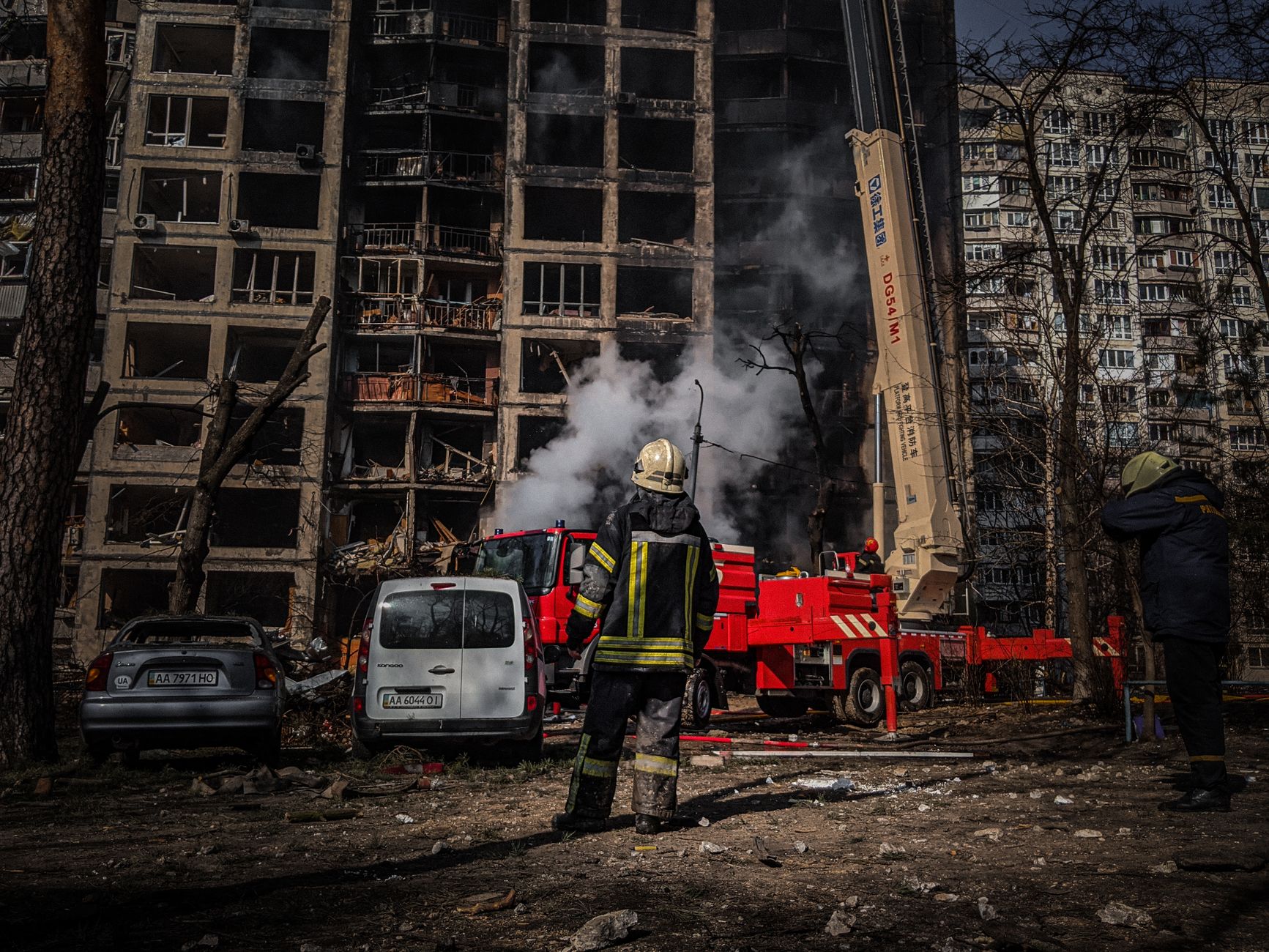
Emergency crews worked through the night across multiple districts after waves of drones and missiles struck residential areas and energy facilities. At least 17 people were confirmed dead by early morning, with dozens more injured. Rescue workers were still pulling people from rubble in at least two locations as daylight broke over the city.
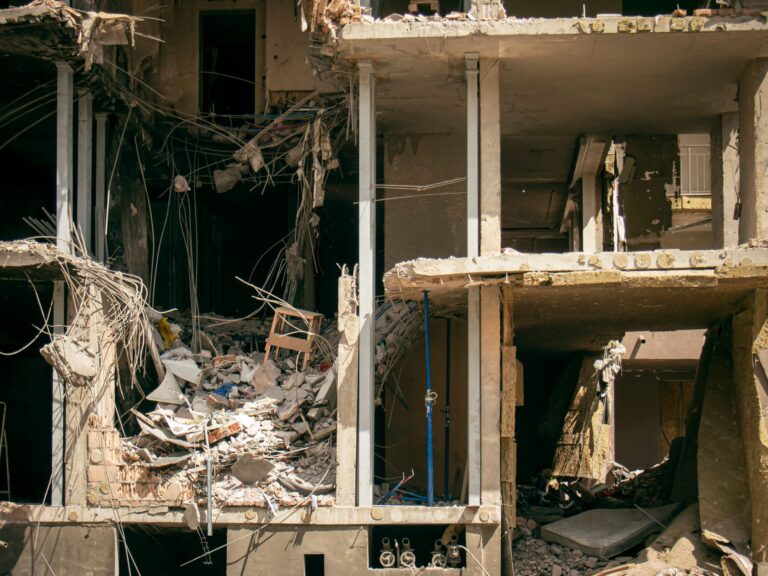
Buildings in several neighborhoods sustained heavy damage. Windows were blown out across entire blocks. In one district, a direct hit on an apartment complex sparked a fire that took hours to bring under control.
It’s the kind of attack that doesn’t just kill people. It breaks a city’s will — or tries to.
Hot water cut for hundreds of thousands
Beyond the immediate casualties, Klitschko warned that the strikes had severely damaged the city’s heating infrastructure. Hot water supply has been disrupted for a significant portion of Kyiv’s roughly 2.8 million residents. Repair crews were deployed immediately, but officials didn’t offer a clear timeline for restoration.
That’s a serious problem. With winter temperatures in Kyiv regularly dropping below freezing, losing heat and hot water isn’t just an inconvenience — it’s a genuine public health threat, especially for the elderly and young children.
“Every strike on our infrastructure is a strike on our people,” a senior city official said, adding that emergency warming centers had been activated across the capital to shelter residents unable to heat their homes.
Ukraine’s air defenses under pressure
Ukrainian air defense systems were active throughout the night and intercepted a number of the incoming projectiles. But enough got through to cause catastrophic damage. It’s a pattern that’s become grimly familiar — defenders managing to blunt the worst of an attack, yet still unable to prevent significant casualties and destruction.
So far this winter, Russia has stepped up strikes on Ukrainian energy infrastructure, part of what analysts describe as a deliberate strategy to break civilian morale ahead of the colder months.
What comes next
Ukrainian officials are expected to formally request additional air defense systems from Western allies in the wake of Thursday’s attack. President Volodymyr Zelensky had already been pressing partners for more Patriot batteries and interceptor missiles before this latest strike.
And with winter deepening and Russia showing no sign of easing its aerial campaign, Kyiv’s residents are bracing for more difficult nights ahead. The city has survived this far. But the pressure isn’t letting up.