Mohammed bin Salman in Paris: when realpolitik trumps Western values
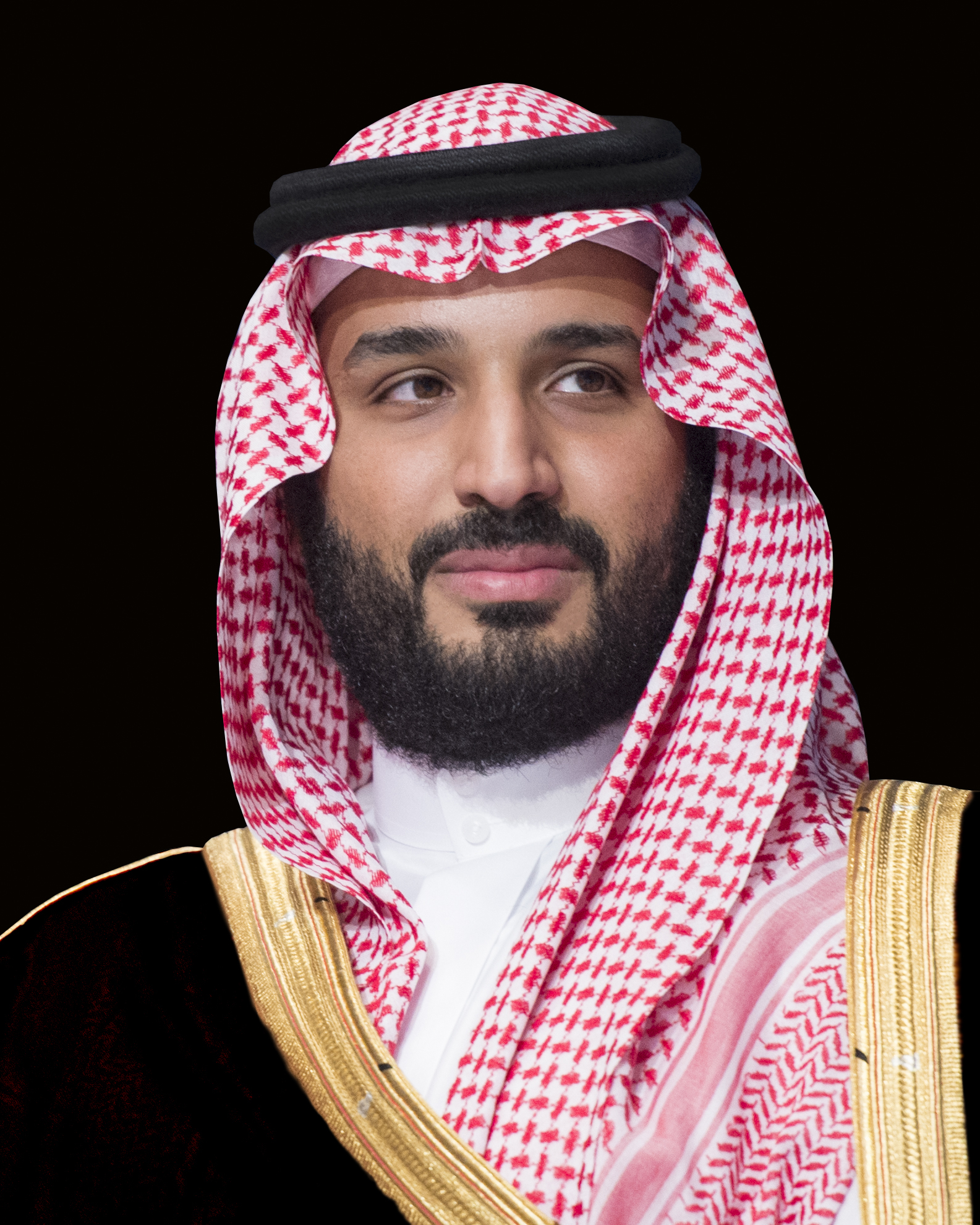
When Emmanuel Macron rolled out the red carpet for Saudi Crown Prince Mohammed bin Salman at the Élysée Palace, the optics were impossible to ignore. The man Western intelligence agencies concluded had ordered the murder of journalist Jamal Khashoggi in 2018 was being received as a head of state — in the self-declared home of liberté, égalité, fraternité.
It wasn’t subtle. And it wasn’t meant to be.
The calculus behind the handshake
Susanne Koelbl, Der Spiegel’s award-winning foreign correspondent, doesn’t mince words about what drove Macron’s decision. Speaking with analyst Jean-Emile Jammine, she described the visit as “realpolitik in its purest form.” Saudi Arabia, she argued, had simply become too central to too many things Europe cares about — energy supply chains, regional security architecture, Gulf investment flows, and Middle East diplomacy — to remain in the diplomatic deep freeze indefinitely. “So Macron wanted to establish France as an independent, balanced power between the Mediterranean and the Gulf,” Koelbl said.
The numbers back that up. France’s bilateral trade with Saudi Arabia topped €4.7 billion in 2022. Saudi Aramco and its sovereign wealth fund, the Public Investment Fund — which manages roughly $700 billion in assets — have become indispensable players in global markets that European economies can’t afford to antagonize. Add to that the war in Ukraine, which sent European energy prices spiraling and made Gulf producers suddenly irreplaceable.
A pattern, not an exception
France isn’t alone here. Germany, the United Kingdom, and the United States have all quietly softened their posture toward Riyadh in recent years. President Biden, who famously vowed to make Saudi Arabia a “pariah” state, fist-bumped MBS in Jeddah just four years after Khashoggi’s killing at the Saudi consulate in Istanbul. The message from Western capitals has been consistent, if uncomfortable: some relationships are too strategically loaded to sacrifice on principle.
“Economic interests have always shaped foreign policy,” a senior European diplomat told us on condition of anonymity. “What’s changed is that governments are less willing to pretend otherwise.”
What this means for ‘Western values’
The harder question is what repeated episodes like this do to the credibility of the values-based foreign policy framework the West insists it upholds. Human rights organizations were quick to condemn Macron’s decision, pointing to Saudi Arabia’s continued detention of activists — including women’s rights campaigners arrested since 2018. Amnesty International documented at least 196 executions in the kingdom in 2022 alone, a record high.
Still, the criticism hasn’t stuck in any durable political way. Public attention moves fast, and governments bank on that.
Where this goes next
MBS is reportedly eyeing a broader rehabilitation tour through European capitals, and few analysts expect any government to hold the door shut. Saudi Arabia’s proposed $500 billion NEOM megacity project alone has attracted Western contractors, architects, and consultants by the dozen. The business is simply too good.
Whether Europe can maintain any moral authority while cashing those checks is a question that won’t be resolved in Paris — or anywhere else, anytime soon.