Swedish military seeks seizure of Russian-owned estate near naval base
Sweden’s armed forces are pushing to seize a Russian-owned property situated dangerously close to one of the country’s most sensitive military installations, Muskö Naval Base, citing an escalating threat from Russian drone surveillance operations in the region.
The property and the problem
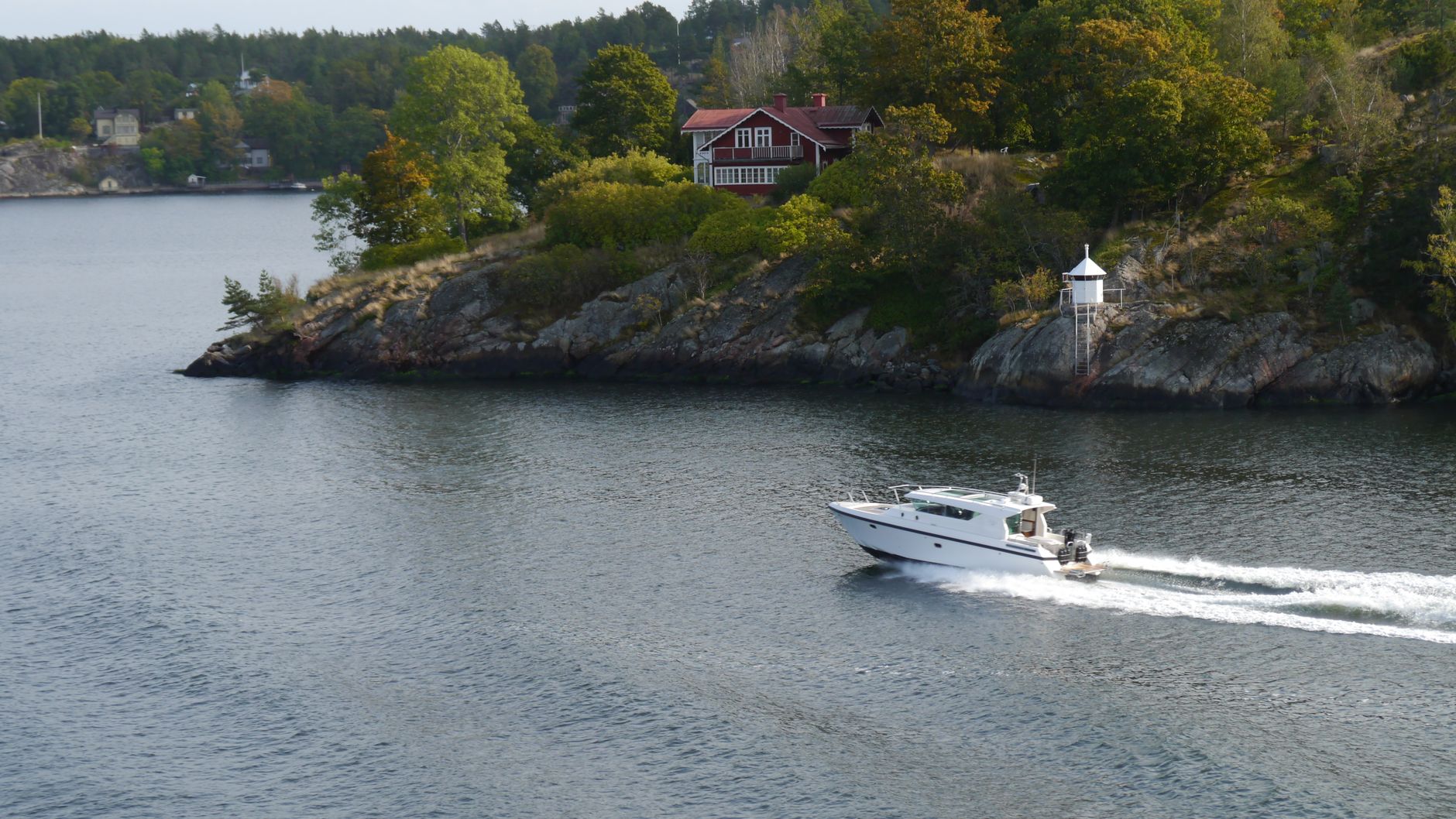
The estate in question sits within striking distance of Muskö, a sprawling underground naval facility carved into bedrock south of Stockholm that serves as the operational heart of Sweden’s maritime defense. The armed forces filed a formal request with Swedish authorities to expropriate the plot, arguing that foreign ownership of land so near a critical base poses an unacceptable security risk. It’s a move that would have seemed extraordinary just a few years ago. But Sweden’s security landscape has shifted dramatically since its NATO accession in March 2024.
Russian-linked drones have been spotted over Swedish military sites with alarming frequency. Authorities recorded more than 30 incidents near sensitive installations in 2024 alone, and officials believe private properties in proximity to bases could be exploited as staging points or observation posts.
Legal grounds for the takeover
Swedish law does allow the state to expropriate private land for national security purposes, though it’s rarely invoked. The armed forces are leaning on provisions within the Expropriation Act, which permits seizure when property use conflicts with vital public interests. Still, applying that framework to foreign-owned civilian land sets a precedent that Sweden’s legal community is watching closely.
A spokesperson for the Swedish Armed Forces said the request reflects the military’s broader mandate to protect infrastructure from hostile intelligence activity. “We have a responsibility to secure the environment around our most critical assets, and that includes addressing vulnerabilities that stem from property ownership,” the spokesperson said.
Russia’s footprint near Swedish bases
The Muskö case isn’t isolated. Swedish security services, SÄPO, have been quietly mapping foreign — particularly Russian — real estate holdings near military zones for the better part of two years. The estate targeted in this latest request is reportedly a rural plot of approximately 4.5 hectares. Its ownership trail runs through a series of corporate structures that Swedish investigators have linked to Russian nationals.
Russia has not publicly commented on the matter.
And that silence, some analysts argue, speaks volumes.
What comes next
The expropriation process won’t be fast. Swedish property law requires hearings, valuations, and compensation to the current owner at market rate — a process that could stretch 12 to 18 months even if authorities approve the request without legal challenges. The owner could appeal, dragging proceedings out further.
But Swedish defense officials appear committed to seeing it through, and lawmakers across party lines have expressed support for tightening restrictions on foreign land ownership near military zones. A broader legislative review is expected before the end of 2025.
For NATO’s newest member, the Muskö case may be just the opening move in a much longer game over who gets to own the ground beneath Sweden’s defenses.