Nepal missing persons: Families search as death toll hits 538
Nearly 1,000 people remain missing across Nepal following catastrophic flooding and landslides, with families desperately moving between hospitals, makeshift shelters and rubble-strewn disaster zones in search of loved ones they haven’t seen in days. The confirmed death toll has climbed to at least 538, but for hundreds of families, that number still doesn’t tell their story.
A desperate search through the chaos
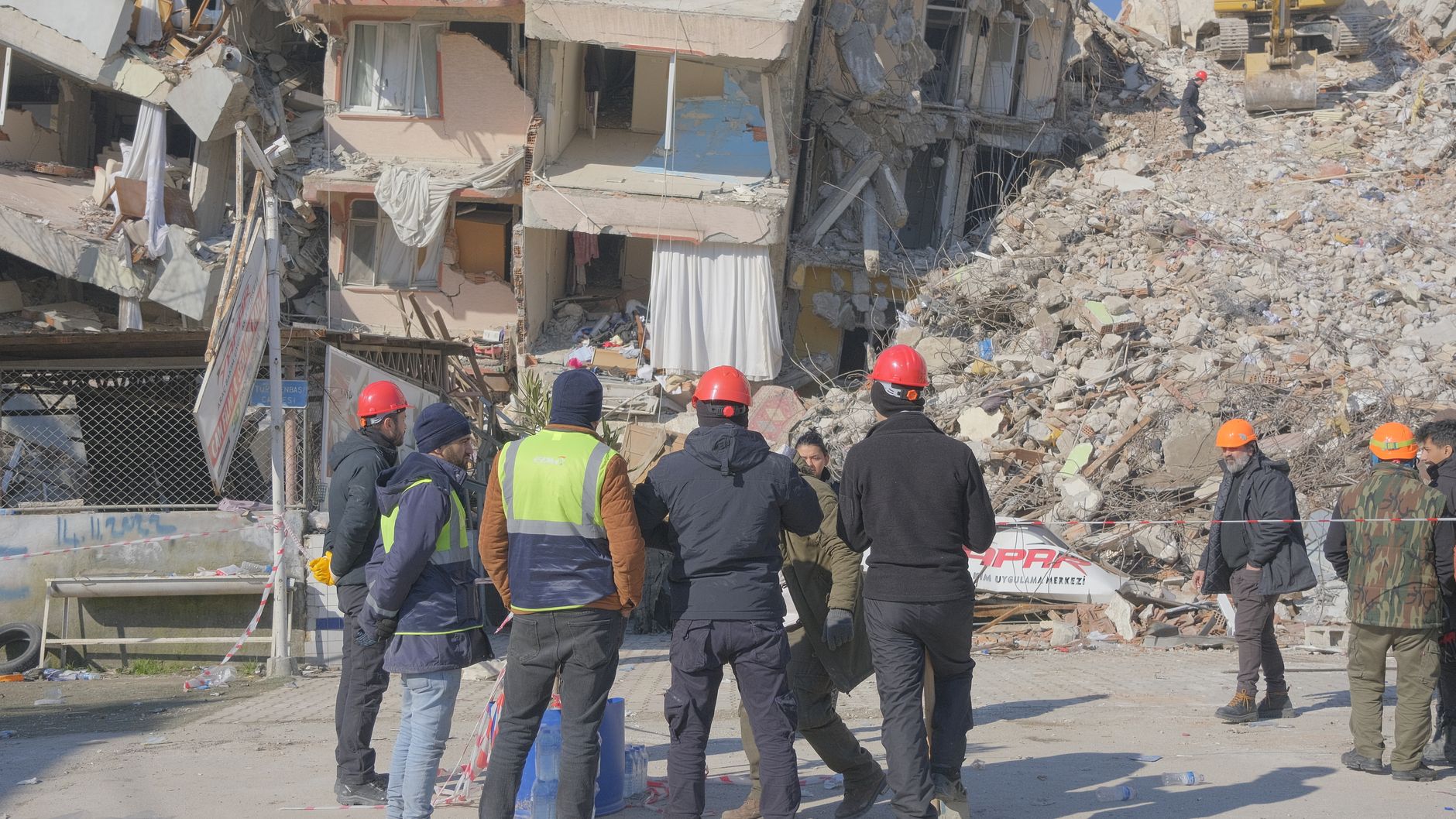
Rescue teams have pulled more than 3,700 survivors from the debris since the disaster struck, a figure officials describe as remarkable given the scale of destruction. But the work is far from over. Destroyed roads and collapsed bridges have cut off entire communities, forcing search crews to trek hours on foot through thick mud just to reach affected villages. Helicopters have become the only viable lifeline to some of the hardest-hit areas in the country’s hill and mountain districts.
Families who fled with nothing are now camped outside hospitals in Kathmandu and other cities, holding photographs and describing clothing to anyone who will listen. Some have been waiting for four days.
The numbers behind the heartbreak
Of the nearly 1,000 people still unaccounted for, officials believe a significant portion may be buried under landslide debris in remote areas that crews simply haven’t reached yet. That reality is brutal. The flooding, triggered by unusually heavy monsoon rains, swept through dozens of districts and destroyed an estimated 2,800 homes. Thousands more were damaged beyond habitation.
Search and rescue operations have mobilized over 4,000 personnel from the Nepali Army, Armed Police Force and Nepal Police, working alongside international teams. Still, the terrain is punishing and the window for finding survivors alive is narrowing with every passing hour.
Officials urge patience as rescue teams push forward
“We are working around the clock and we will not stop,” said a spokesperson for Nepal’s National Disaster Risk Reduction and Management Authority. “Every resource available to us is in the field right now.”
The government has declared a state of emergency in multiple districts and formally requested international assistance. Aid is arriving, but getting it where it’s needed remains the central problem.
It’s the mud, more than anything, that keeps slowing things down. Roads that took years to build were gone in minutes.
What comes next for Nepal
With the monsoon season not yet over, meteorologists have warned of continued heavy rainfall across Nepal’s central and eastern regions through at least the next week. That forecast has alarmed rescue coordinators, who fear secondary landslides could bury sites where victims are still being sought.
For the families still waiting, the coming days will be defining. Some cling to the knowledge that survivors were found alive five and six days after the 2015 earthquake. Others are quietly preparing for the worst. Nepal has endured disasters before, and it will endure this one. But the human cost, still being counted, won’t be absorbed easily or soon.