South Africans missing after Nepal glacial flood tears through border region
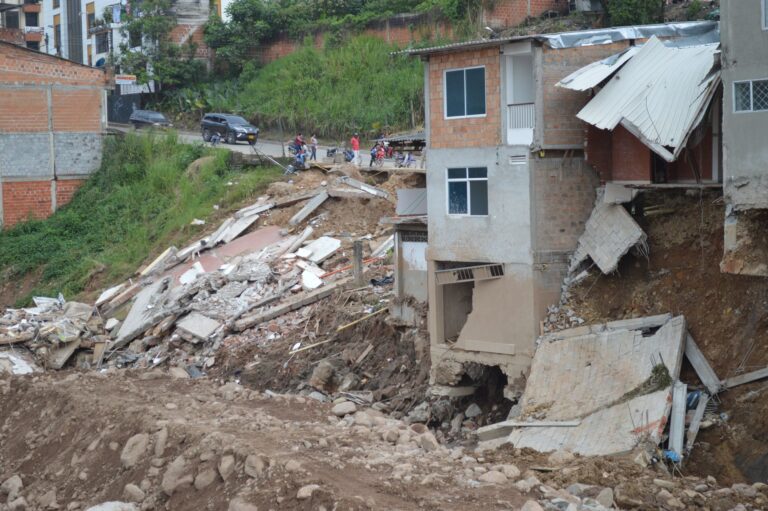
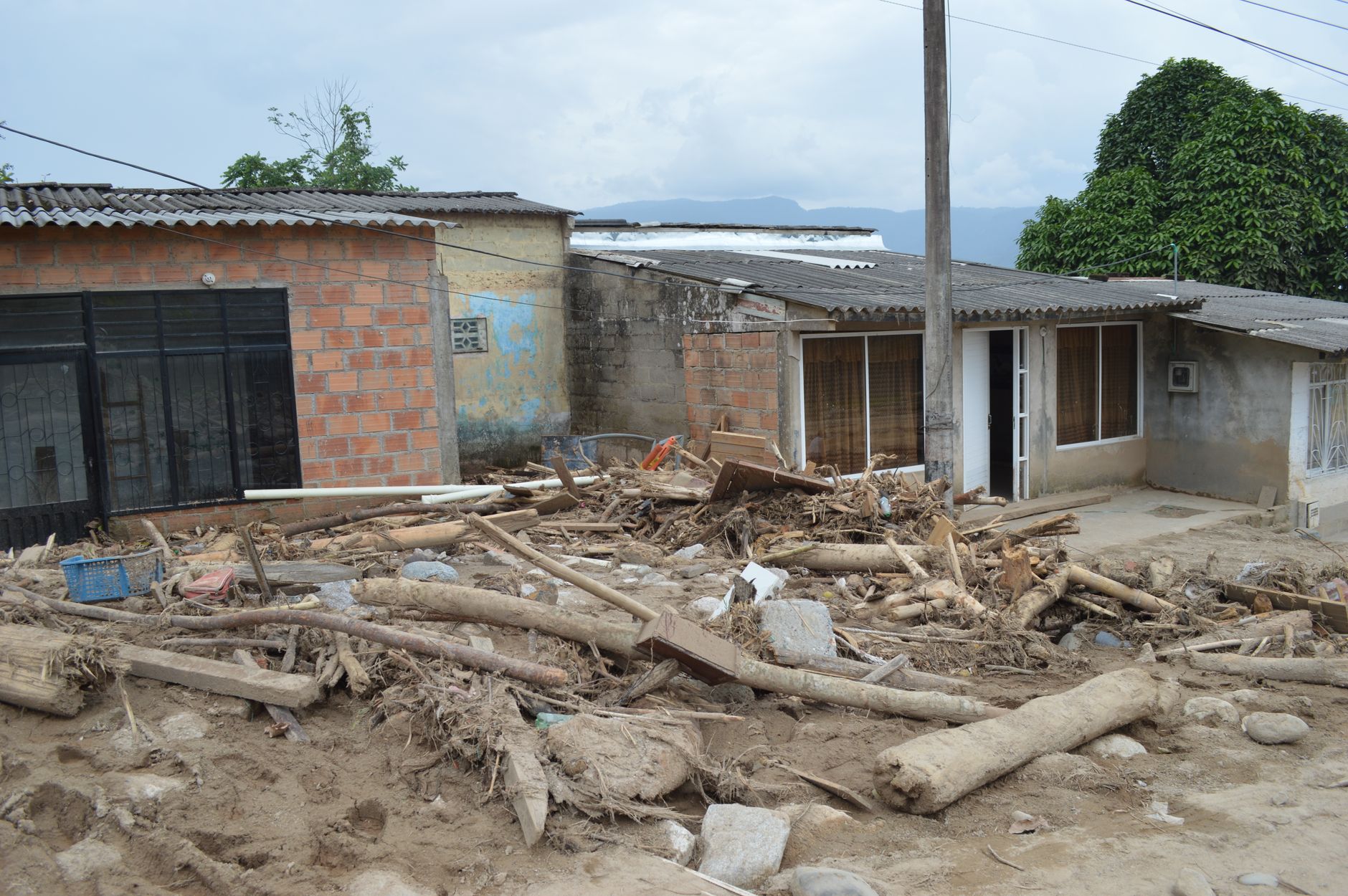
Six South African nationals are unaccounted for after a catastrophic glacial flood ripped through communities along the Nepal-China border, and Africa Disaster Relief has launched an urgent search effort to locate them. The disaster, triggered by a glacial lake outburst, killed dozens and left entire villages submerged under metres of debris and freezing water.
The search for six missing South Africans
Africa Disaster Relief confirmed late Thursday that it’s actively coordinating with Nepali authorities and the South African Department of International Relations to trace the six missing citizens. Their last known location was a trekking zone near the Humla district, roughly 15 kilometres from the Chinese border. That’s an area that bore the full brunt of the floodwaters.
“We are working around the clock with local search and rescue teams, but access to the affected areas remains extremely limited due to road damage and ongoing instability,” said a spokesperson for Africa Disaster Relief.
Families back home are waiting. And the uncertainty is brutal.
Nepal’s deadliest flood season in years
The Nepal-China border region has seen at least 31 confirmed deaths from the flood, with that number expected to rise as rescue crews reach more remote villages. Glacial lake outburst floods, known as GLOFs, have become more frequent and more violent in the Himalayas as rising temperatures destabilise ancient ice formations. Some of these glacial lakes can hold billions of litres of water. When they rupture, they don’t give communities much warning at all.
Nepal’s government has declared a state of emergency in three northern districts, and the military has deployed 400 personnel to assist with rescue operations. Still, helicopters have been grounded for much of the past 48 hours due to poor visibility.
South Africa’s illegal mining crisis cuts deep at home
While the Nepal situation unfolds, a separate crisis is brewing underground in South Africa itself. Illegal miners, locally called zama zamas, are intensifying operations in abandoned shafts across Gauteng and the North West province, and the communities above those shafts are paying a steep price. Infrastructure damage, water contamination, and violent turf wars between rival mining gangs have left residents in towns like Stilfontein feeling abandoned by the state. It’s a problem years in the making, and it’s getting worse.
Kenyans drive toward electric vehicles as fuel prices bite
Across the continent in Kenya, ordinary commuters are making a practical decision. With petrol prices hitting 217 Kenyan shillings per litre in Nairobi this month, electric motorcycles and tuk-tuks are suddenly looking a lot more attractive. Sales of electric two-wheelers jumped 34% in the first half of 2024, according to the Kenya Electric Vehicle Association. Companies like Roam and Ampersand are struggling to keep up with demand.
Whether it’s a search for six missing people on a frozen Himalayan border, illegal miners hollowing out South African neighbourhoods, or Kenyan boda-boda riders calculating fuel costs at dawn, the stories connecting Africa to the wider world right now are urgent, complicated, and deeply human. Tonight’s edition of Africa Disaster Relief will carry the latest updates as they come in.