EU’s Kallas heads to Damascus in Syria normalisation push
European Union foreign policy chief Kaja Kallas is expected to travel to Damascus in the coming days as Brussels accelerates its effort to bring Syria back into the fold of internationally recognised states, according to intelligence sources familiar with the visit. It’s a significant diplomatic signal — and the most senior European official to set foot in the Syrian capital since the fall of Bashar al-Assad’s government late last year.
A calculated diplomatic gamble
The expected trip comes as the EU weighs how far and how fast it should go in re-engaging with Damascus under the new administration led by Ahmed al-Sharaa, the former rebel commander whose Hayat Tahrir al-Sham group controlled much of northern Syria before the regime’s collapse in December 2024. Brussels lifted some sanctions in late January, targeting specific economic sectors, but the broader sanctions architecture — built up over more than a decade of civil war — remains largely intact.
Kallas, who took over as the EU’s High Representative for Foreign Affairs in December, has wasted little time signalling a more proactive European posture in the Middle East. Her Damascus visit, if confirmed, would follow a series of European foreign ministers who’ve already made the trip, including delegations from France, Germany and Italy. Still, a visit from the bloc’s top diplomat carries a different weight altogether.
“The European Union wants to support a Syria that is stable, inclusive and at peace with its neighbours,” a senior EU official said, speaking on condition of anonymity ahead of the visit. “That means engaging seriously with the new authorities, while maintaining clear expectations on governance, minority rights and counterterrorism.”
And that last part isn’t just diplomatic boilerplate. The EU is expected to use the visit to press Damascus on several concrete benchmarks — including protections for Christian and Kurdish communities, the dismantling of extremist factions within the new security forces, and a credible path toward political transition. Whether the new Syrian leadership can deliver on any of that remains deeply uncertain.
What normalisation actually looks like
For the EU, normalisation isn’t simply a matter of reopening embassies or easing trade restrictions. It involves unlocking somewhere in the range of €1 billion in potential reconstruction assistance that European institutions have flagged as available — but only contingent on political conditions being met.
Syria’s economy is in freefall. The Syrian pound has lost more than 90 percent of its value since 2019, and the UN estimates that around 16.7 million people inside the country still require humanitarian assistance. Europe, which absorbed hundreds of thousands of Syrian refugees at the height of the 2015 migration crisis, has its own reasons — domestic political ones among them — to want stability restored.
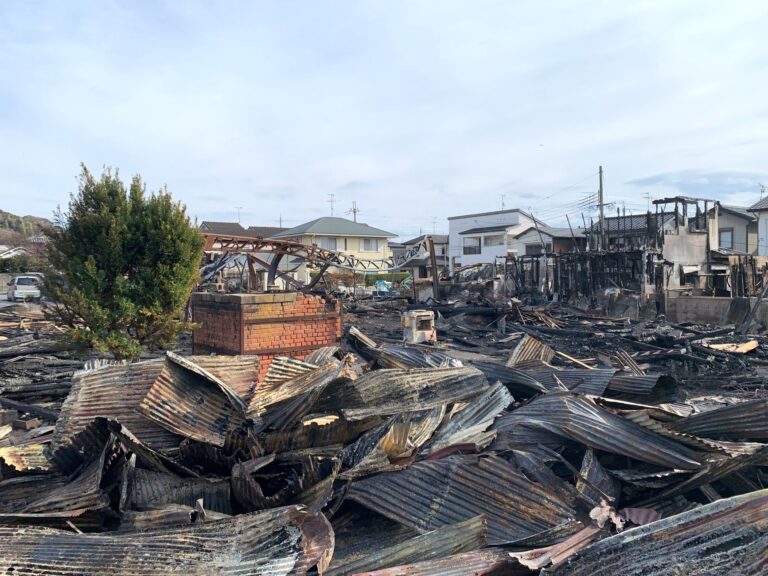
But the road from diplomatic visit to genuine normalisation is a long one. Kallas will arrive in a city that still bears the physical scars of war, negotiating with a government that many in Brussels viewed as a terrorist organisation less than six months ago.
The next few weeks will show whether this is the beginning of a genuine rapprochement, or simply another cautious opening that stalls before it gains momentum.