Hormuz reopening: Iran proposes seven-day plan to end war
Iran’s foreign minister has presented Washington with a seven-day roadmap that would see Tehran reopen the Strait of Hormuz in exchange for a US naval blockade lift and a broader ceasefire agreement, in what diplomats are calling the most concrete off-ramp offered since the conflict began.
What Tehran is proposing
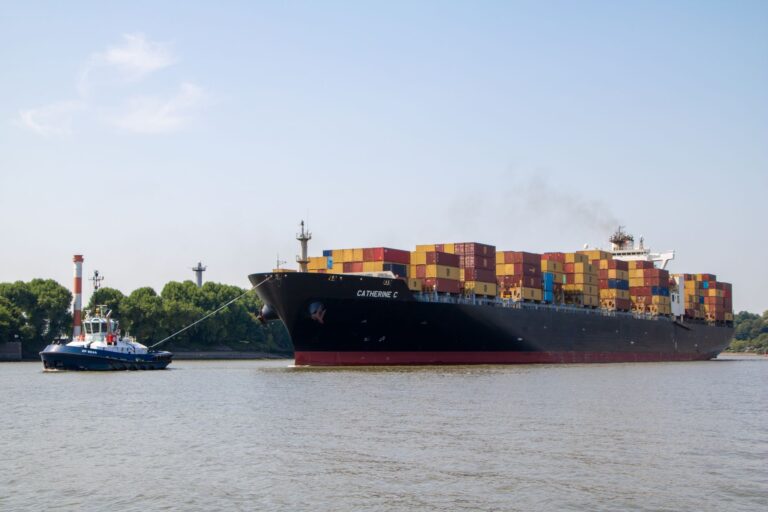
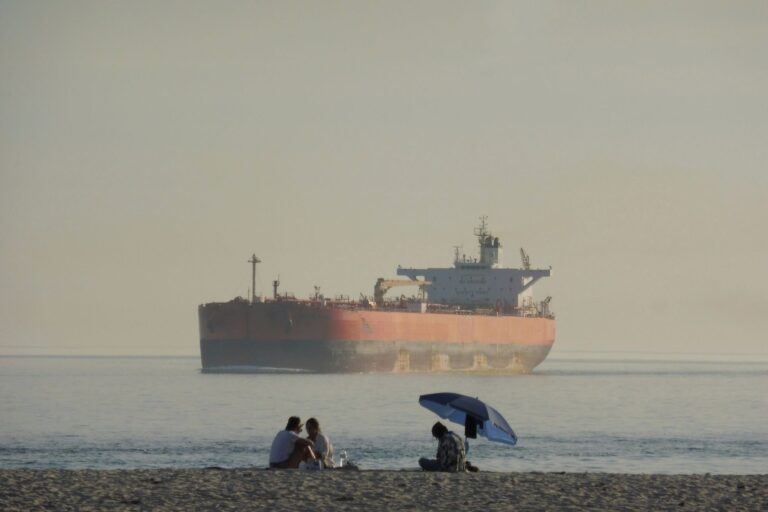
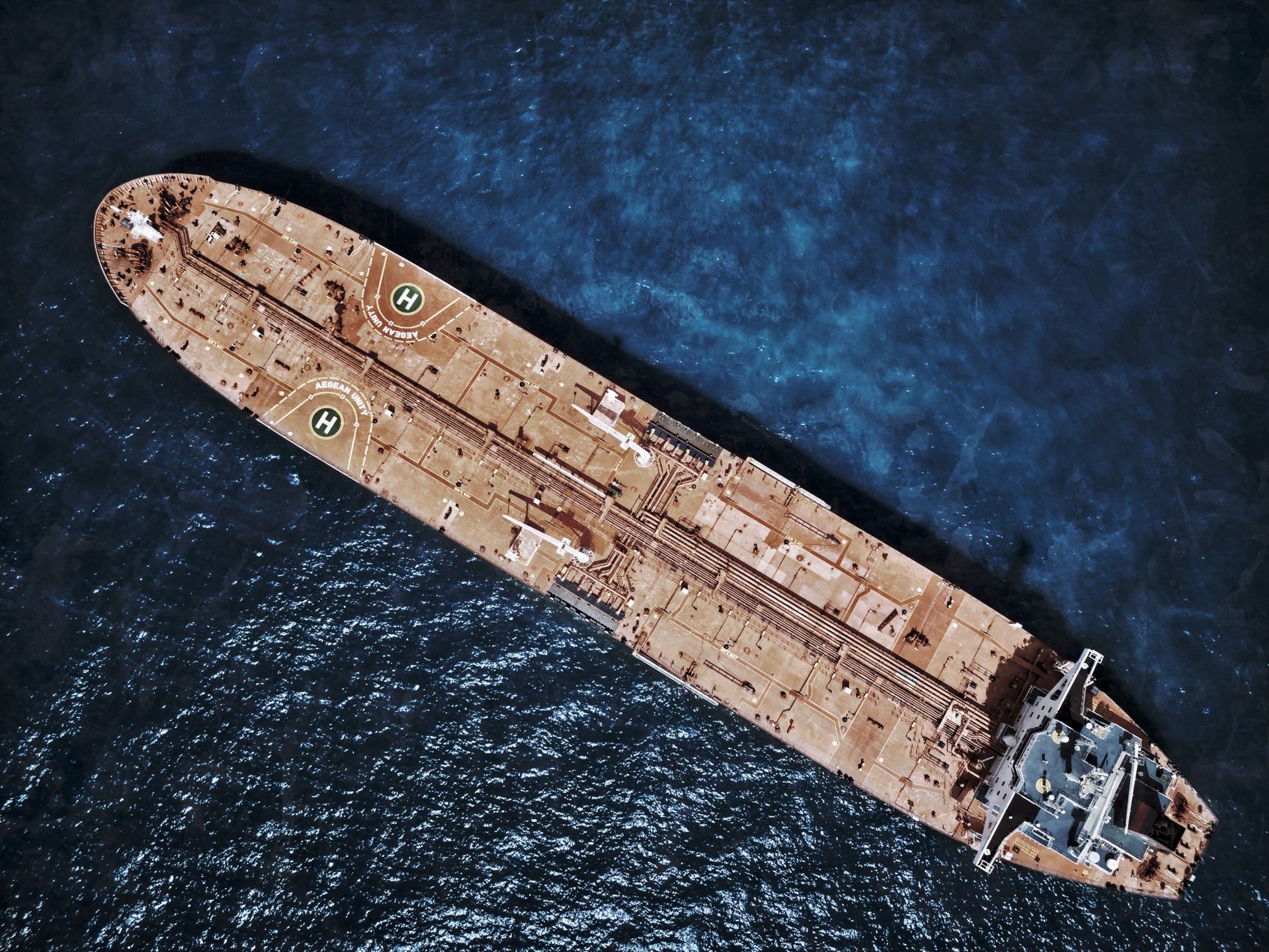
The plan, delivered through back-channel intermediaries over the weekend, sets out a sequential series of steps. On day one, both sides would agree to a formal cessation of offensive operations. By day three, the US would begin withdrawing its carrier strike group from the Persian Gulf’s northern corridor. And by day seven, Iranian authorities would formally reopen the strait to commercial shipping — a waterway through which roughly 20% of the world’s oil supply passes daily.
Tehran is also demanding a written US commitment not to reimpose the sanctions packages that were introduced in the past 14 months, as well as what one Iranian official described as “internationally verified guarantees” that any agreement won’t be torn up by a future administration. That last demand is widely seen as the thorniest obstacle. Still, the fact that Iran put a specific timeline on paper marks a significant shift from its previous posture of open-ended resistance.
A senior Western diplomat familiar with the proposal told reporters: “There’s more detail in this document than anything we’ve seen from Tehran in years. Whether it’s a genuine offer or a pressure move ahead of the next Security Council session is the question everyone’s trying to answer.”
Why this moment, and why seven days
The timing isn’t accidental. Iranian crude exports have collapsed to roughly 400,000 barrels per day — down from 1.4 million before the blockade — and domestic fuel prices have tripled since March. The rial hit a record low of 820,000 to the dollar last Thursday. Economic pain is real and accelerating.
Seven days is also not an arbitrary number. It mirrors the window Iran successfully negotiated during the 2019 tanker crisis to secure safe passage agreements.
But Washington’s response has been cautious. The State Department acknowledged receiving the proposal but said it was “reviewing the details carefully” before committing to any formal reply. Senior Pentagon officials privately pushed back on the blockade-withdrawal sequencing, arguing that lifting naval pressure before the strait reopens would remove the only real leverage the US currently holds. And Republican congressional leaders were blunter, with several calling the roadmap a stalling tactic designed to ease sanctions while Iran reconstitutes its military supply lines.
What happens next
Mediators from Oman and Qatar — both of whom have maintained open lines to both capitals throughout the conflict — are reportedly pushing for a US counter-proposal within 72 hours to keep momentum alive. European foreign ministers are scheduled to meet in Brussels on Tuesday and are expected to formally endorse the Iranian framework as a starting point, adding fresh pressure on Washington to engage.
The next 72 hours will likely determine whether this becomes a genuine negotiating track or another failed initiative in a war that’s already displaced millions and rattled global energy markets for the better part of a year. That’s the window diplomats say they have. It’s a narrow one.