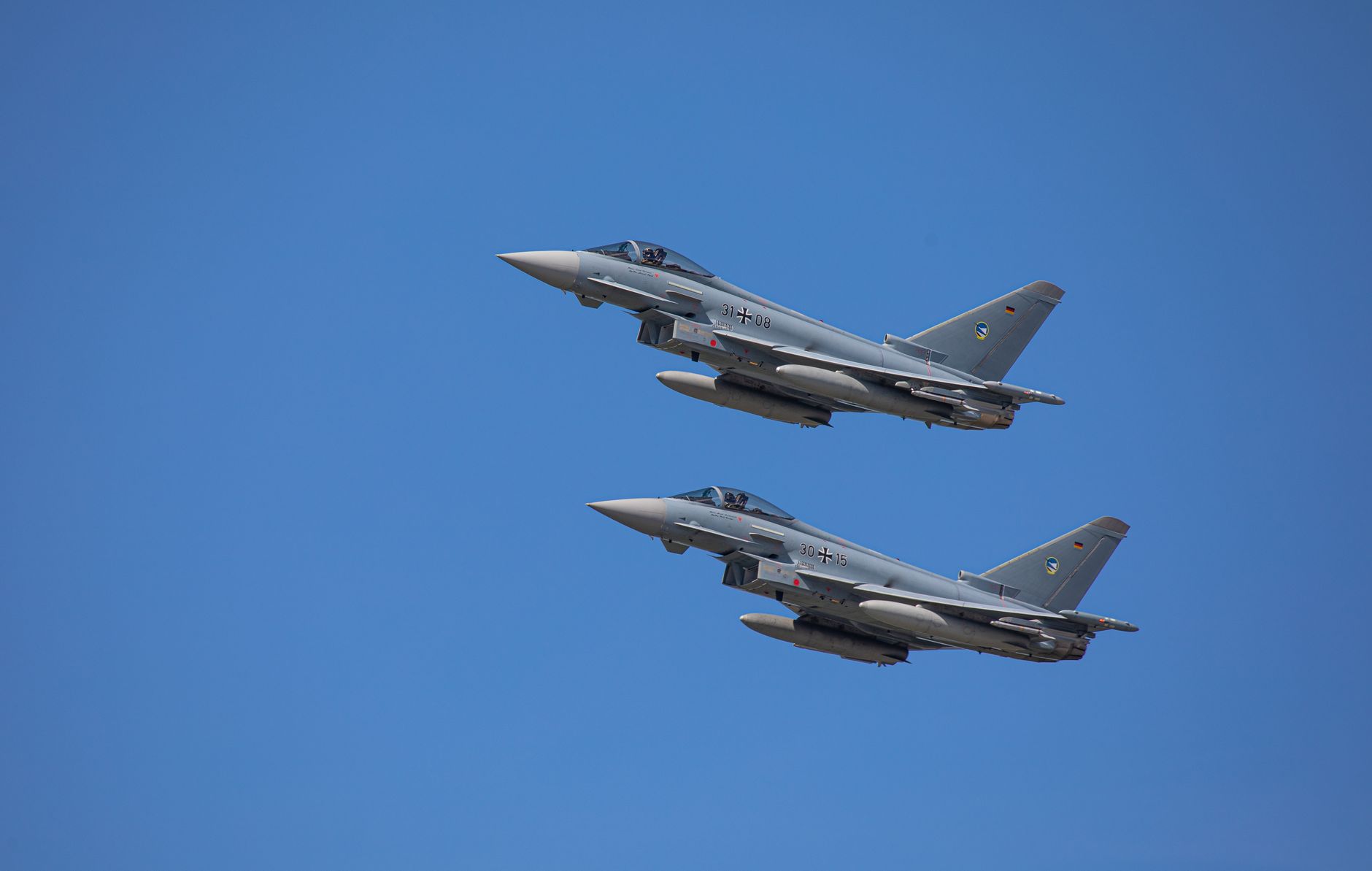
Germany, France abandon joint fighter jet development project
Europe’s most ambitious defense collaboration in decades has collapsed. Germany and France confirmed today they’re abandoning their joint next-generation fighter jet program, dealing a severe blow to European military independence and marking the end of a €100 billion initiative that was supposed to revolutionize air combat by 2040.
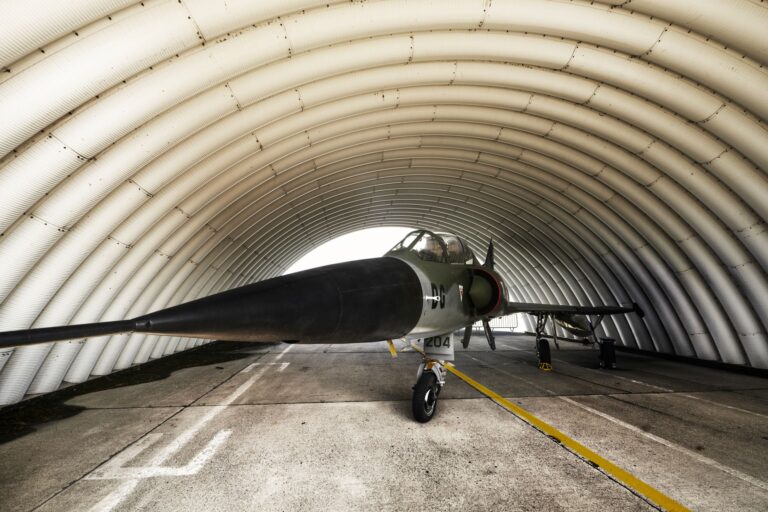
The Future Combat Air System (FCAS), launched with great fanfare in 2017, was meant to replace both nations’ aging fleets of Eurofighter Typhoons and Rafale jets. But after seven years of negotiations, the partnership couldn’t overcome fundamental disagreements about technology sharing, workshare distribution, and intellectual property rights.
Years of Tensions Finally Boil Over
The cracks started showing in 2021, when French defense giant Dassault Aviation clashed with Germany’s Airbus over who would lead development. France insisted on maintaining design authority, given Dassault’s experience with the Rafale. Germany wouldn’t accept a junior role in a project where it was funding 40% of the bill.
Spain, which joined as a partner in 2019, found itself caught in the middle. Madrid contributed significant funding but had little say in key decisions.
What Went Wrong
Technology transfer became the breaking point. Germany wanted full access to French stealth and sensor technology to build its domestic defense industry. France refused, citing national security concerns and decades of proprietary research. Neither side budged.
And there was the money issue. Original estimates of €100 billion kept climbing. By 2024, some analysts put the real cost closer to €150 billion. With both countries facing economic headwinds and pressure to meet NATO’s 2% GDP defense spending target, the math didn’t work anymore.
“This project represented the future of European defense autonomy, but without mutual trust and equal partnership, it simply couldn’t succeed,” a senior European defense official said on condition of anonymity.
What Happens Now
Both nations now face difficult choices. France will likely accelerate development of a next-generation Rafale variant, drawing on FCAS research it already completed. Germany might pivot toward Britain’s Tempest program, though that’s politically complicated given Brexit tensions.
The collapse leaves Europe’s defense industry more fragmented than ever. It’s a setback that’ll be felt for decades.
For European strategic autonomy—the idea that Europe shouldn’t depend on American military technology—this is a crushing blow. Without a homegrown sixth-generation fighter, European air forces will likely end up buying American F-35s or their successors well into the 2050s. That’s exactly what FCAS was supposed to prevent.