Iranians protest at World Cup stadium before Iran match
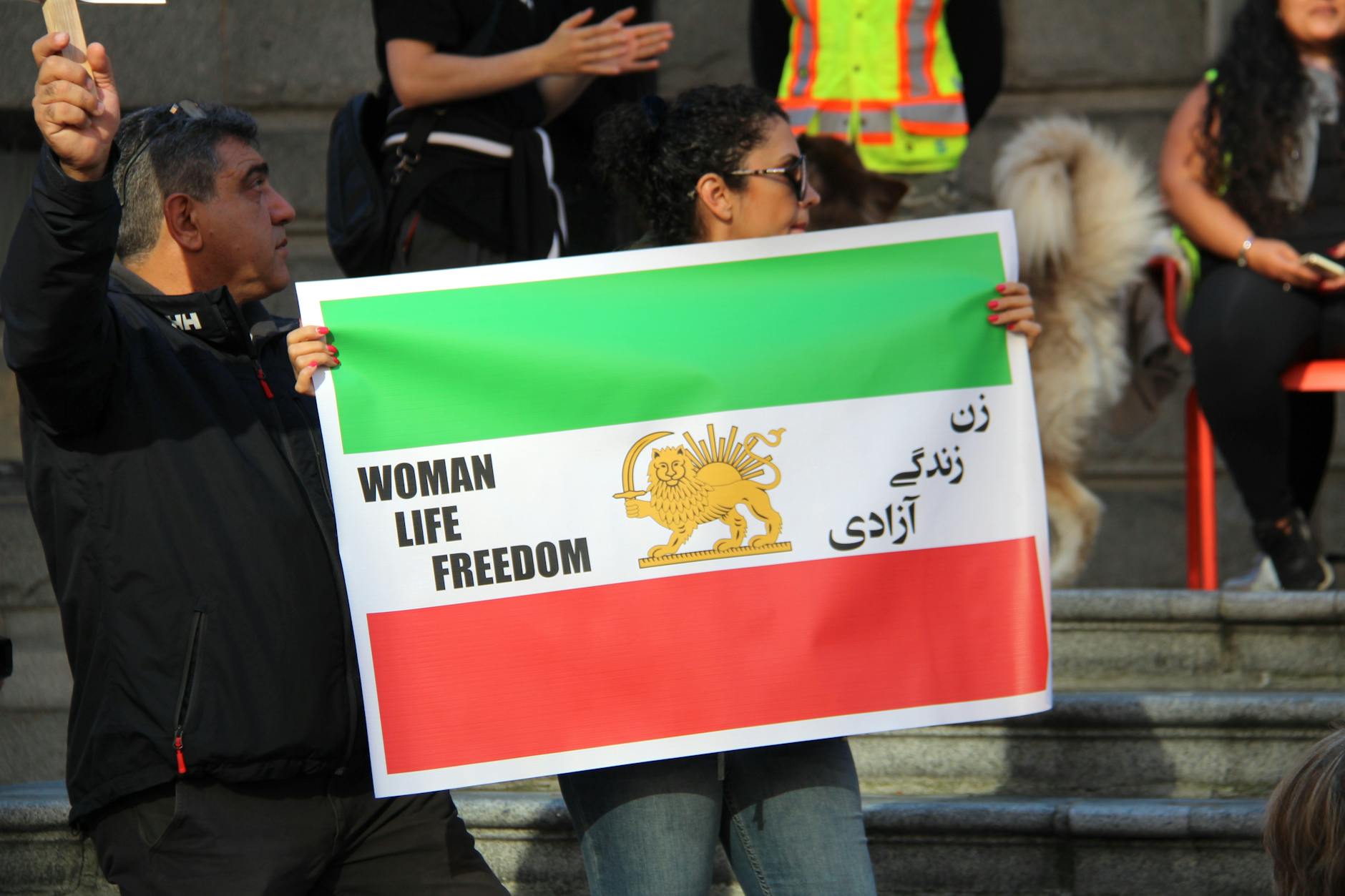
More than 200 members of the Iranian diaspora gathered outside Los Angeles Stadium on Sunday afternoon, waving Iran’s pre-revolutionary “Lion and Sun” flags and chanting against the Islamic Republic ahead of Iran’s first match of the 2026 FIFA World Cup.
The protesters, many of whom haven’t seen their homeland in decades, assembled several hours before kickoff. They carried signs condemning human rights abuses and displayed the tricolor flag that represented Iran before the 1979 revolution. Some demonstrators wore green armbands, a color associated with Iran’s opposition movement.
A Divided Fan Base
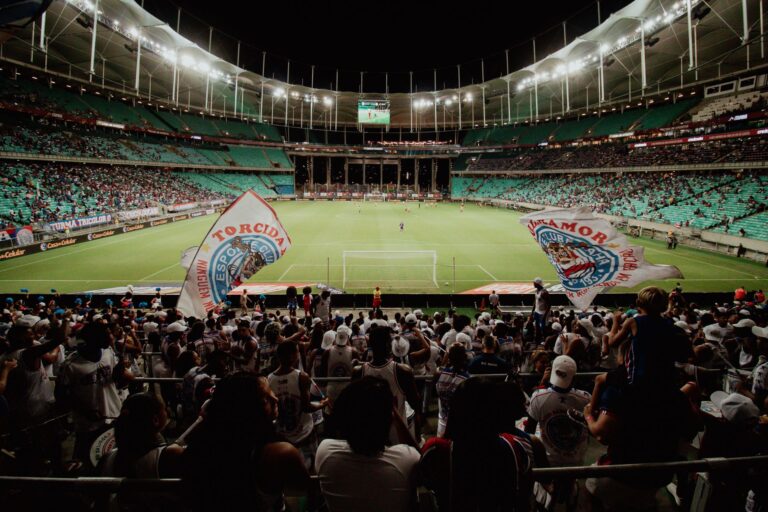
The scene outside the stadium reflected the deep divisions within Iran’s diaspora over how to support their national team. While protesters denounced the government, thousands of other Iranian fans filed into the venue wearing the team’s current white jerseys. But the tension was palpable.
“We’re here to show the world that the Iranian people stand against this regime,” said a protest organizer who declined to give her full name, citing safety concerns for relatives still in Iran. “Football shouldn’t wash away their crimes.”
The demonstration remained peaceful, though voices grew louder as match time approached. Police maintained a visible presence but didn’t intervene. Officers estimated the crowd at roughly 250 people at its peak.
Echoes of Qatar 2022
Sunday’s protest recalled similar scenes during the 2022 World Cup in Qatar, when Iranian players famously refused to sing their national anthem in solidarity with protesters back home. That tournament took place just months after the death of Mahsa Amini in police custody sparked nationwide demonstrations.
Yet this time, the context has shifted. Iran qualified for the 2026 tournament amid ongoing international tensions and continued crackdowns on dissent. The team itself has faced scrutiny over its relationship with Tehran’s government.
The Politics of Sport
FIFA has long maintained that politics shouldn’t interfere with football. But that’s easier said than done when national teams carry the weight of their countries’ reputations.
The Iranian Football Federation didn’t immediately respond to requests for comment about the protests. Stadium officials said they anticipated demonstrations and had prepared accordingly.
As fans streamed into the stadium and protesters continued their chants outside, it became clear that for many Iranians, this World Cup match represents far more than 90 minutes of football. It’s become another front in the ongoing struggle over Iran’s identity and future. And with the tournament co-hosted on American soil, where hundreds of thousands of Iranian expatriates live, similar scenes are likely to unfold at Iran’s remaining group stage matches.