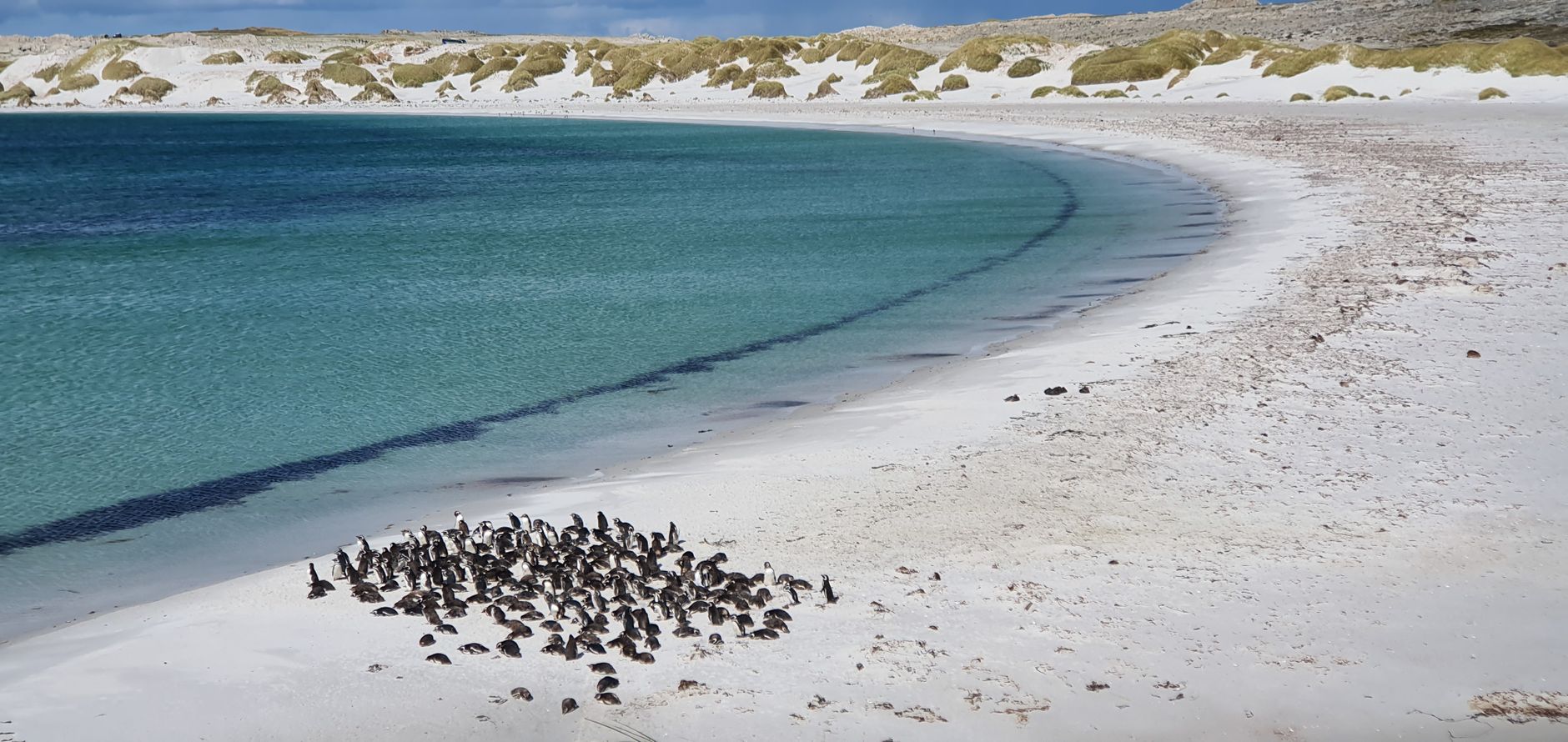
Falkland Islands: UK reaffirms ‘unshakeable’ commitment after Milei claim
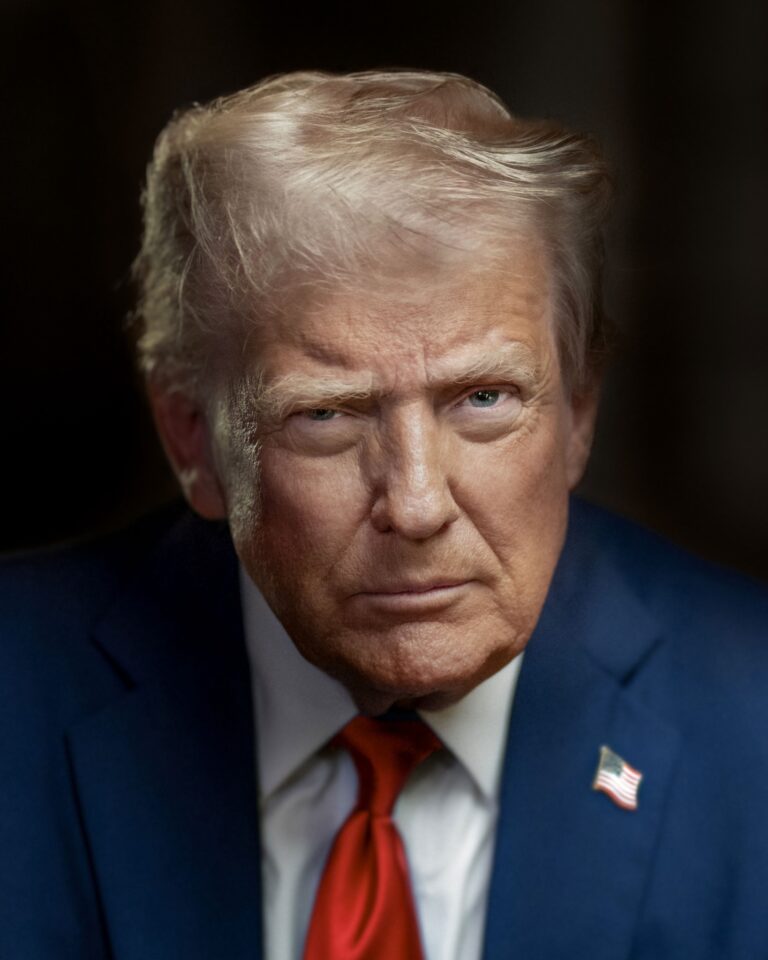
Britain has reaffirmed what it calls an “unshakeable” commitment to the Falkland Islands following renewed pressure from Argentine President Javier Milei, who used an international platform this week to insist the islands — known in Argentina as Las Malvinas — belong to his country. The statement from London came as US President Donald Trump cast serious doubt on whether Washington would stand behind its closest ally if the dispute ever turned military.
Milei turns up the heat
Milei, the libertarian firebrand who swept to power in Buenos Aires in late 2023, has made reclaiming the Falklands a recurring theme of his presidency. This week he went further, raising the issue directly in diplomatic meetings and on social media, where he commands a following of more than 3 million people. Argentina has never formally renounced its claim to the islands, which sit roughly 300 miles off its southern coast and have been under British administration since 1833. But the tone from Milei’s government has been sharper and more persistent than from several of his predecessors.
The islands are home to around 3,500 residents, the vast majority of whom voted in a 2013 referendum to remain a British Overseas Territory — 1,513 votes to 3, a margin that London never tires of citing.
London’s response: firm but measured
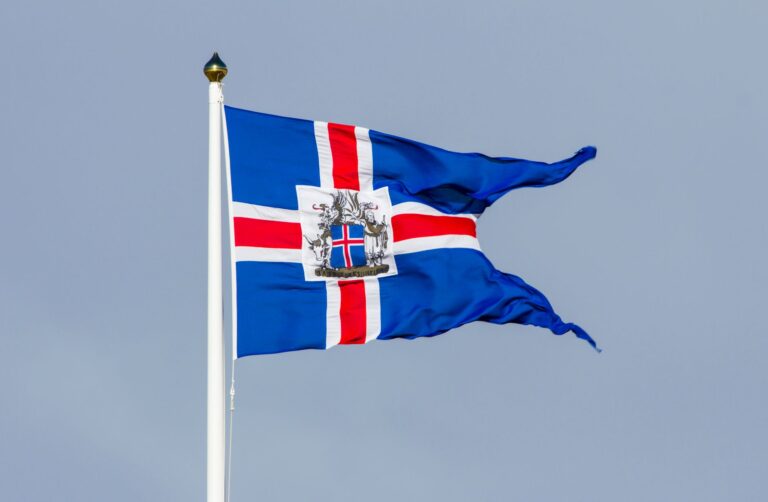
A Foreign Office spokesperson said Britain’s position hasn’t changed and won’t change. “The UK’s commitment to the Falkland Islands and their people is unshakeable,” the spokesperson said. “The islanders have made their wishes clear and we will always respect and defend them.” Downing Street echoed the sentiment, with officials stressing that the islands’ future is, in their words, entirely a matter for the people who live there.
Still, the timing is uncomfortable.
Trump throws a spanner in the works
What’s made the latest flare-up more complicated is Trump’s pointed suggestion that the US might not have Britain’s back this time around. Speaking to reporters earlier this week, Trump noted that Britain didn’t support America’s military posture against Iran, and implied that alliance loyalty runs both ways. It’s a stark departure from the unconditional support Washington offered during the 1982 Falklands War, when US intelligence and logistical backing proved critical to Britain’s success.
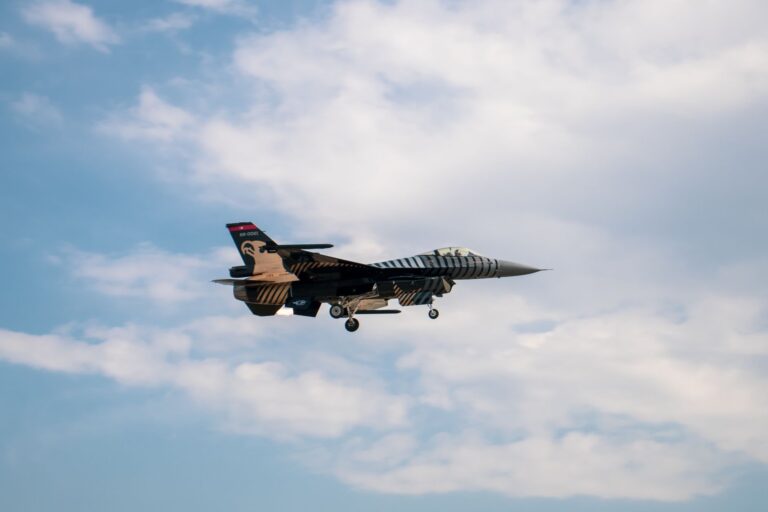
Defence analysts in London were quick to point out that Britain’s military position in the South Atlantic is significantly stronger than it was 43 years ago. A permanent garrison of around 1,200 troops is stationed on the islands, along with Typhoon fighter jets and a naval presence that didn’t exist before the 1982 conflict.
What comes next
Argentina is due to hold further diplomatic talks with regional partners later this month, and Milei is expected to keep the Malvinas question alive as part of his broader nationalist agenda heading into next year’s legislative cycle. Britain, for its part, shows no sign of opening any dialogue on sovereignty. And with Trump’s unpredictability now factored into the equation, the question of who stands where in the South Atlantic feels considerably less settled than it did even six months ago.