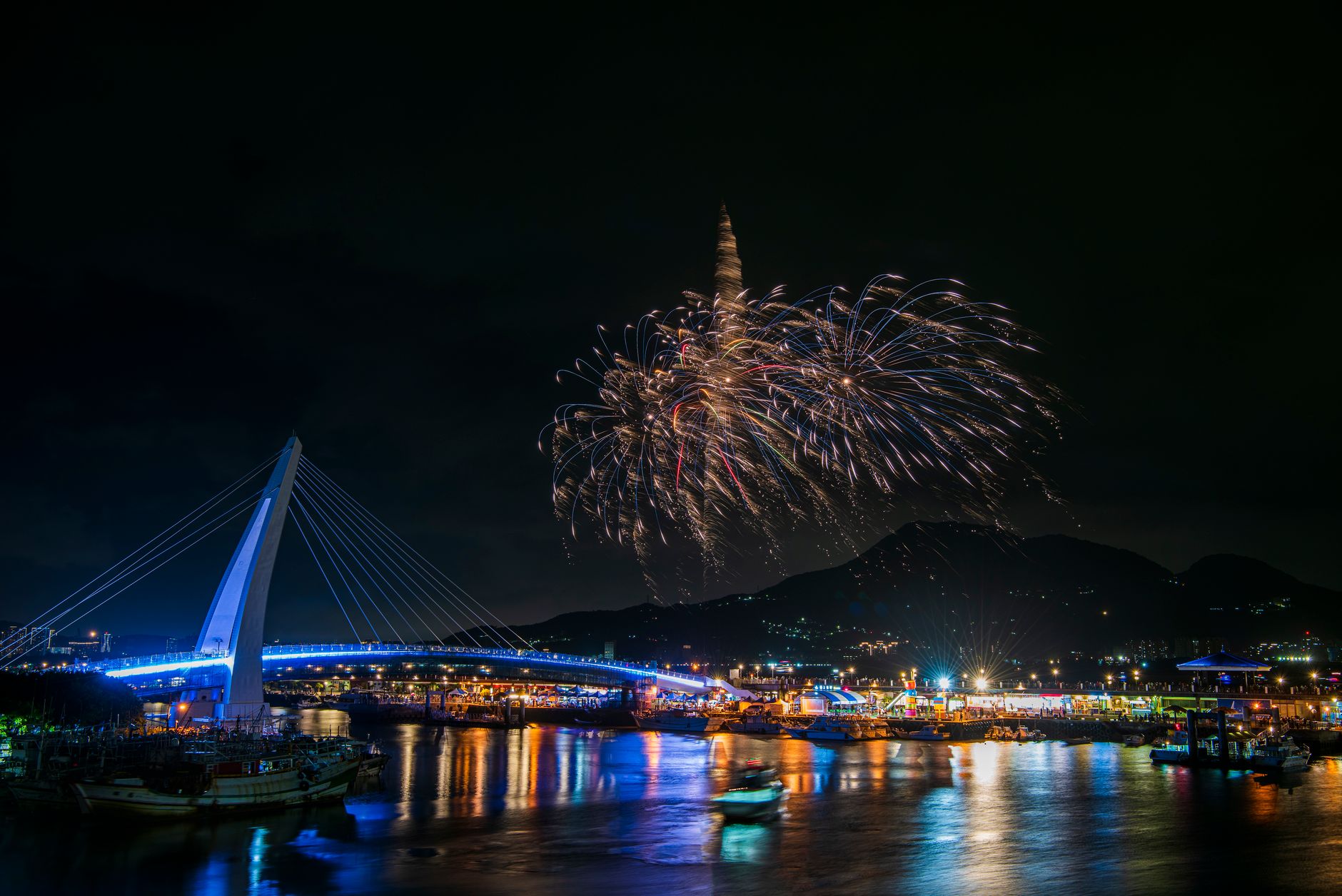
Hungary fireworks costs cut but critics still cry waste
Hungary’s state-funded fireworks display on 20 August, the country’s most watched annual spectacle, will cost taxpayers significantly less this year — but that hasn’t quieted the chorus of voices asking whether the money should be spent at all.
The government has confirmed the budget for this year’s Saint Stephen’s Day celebrations along the Danube in Budapest has been trimmed to around 1.5 billion forints, down from the 2.2 billion forints spent in 2022. Officials have framed the reduction as responsible fiscal management. Critics call it still far too much.
A beloved tradition for millions
Every year, hundreds of thousands of people line the banks of the Danube or crowd rooftop bars and hillside terraces to watch the display light up the capital. It’s genuinely popular. Families travel from across the country, hotels fill up, and restaurants report their busiest night of the year. For many Hungarians, the 20 August fireworks are simply summer.
“The celebration of our national foundation is something every Hungarian deserves to experience, regardless of income,” a government spokesperson said, defending the display as an inclusive public event rather than an extravagance.
And there’s something to that argument. Free, spectacular, and visible from large swaths of the city, the fireworks are one of the few mass public events that don’t require a ticket.
But the opposition won’t let it go
Yet opposition politicians and civic groups have spent years trying to reframe the debate. Their argument isn’t just about the money, though 1.5 billion forints is a figure they’re happy to repeat. It’s also about priorities. Hungary’s public health system is underfunded. Teachers went on strike last year over pay. So spending nine figures on thirty minutes of coloured smoke, they say, is a statement of values — and not a flattering one.
Some municipal leaders in smaller cities have quietly scaled back their own local displays or cancelled them entirely, citing tight budgets and shifting community sentiment.
Animals pay a different price
There’s a growing and increasingly loud animal welfare dimension to the debate too. Vets and animal shelters report a sharp spike in cases around 20 August every year — dogs bolting in panic, cats hiding for days, wild birds abandoning nests. Animal protection groups have pushed for restrictions on private fireworks sold in the weeks surrounding the holiday, with limited success so far.
It’s a point that resonates beyond the usual activist circles. Polling suggests younger Hungarians are more likely to view large fireworks displays unfavourably than older generations.
That generational shift may be the most significant long-term pressure on the tradition.
What comes next
The government shows no sign of scrapping the display. But the reduced budget, whether driven by genuine austerity or political optics, suggests even its supporters sense the mood shifting. Expect the debate to be louder again next August, with perhaps a little less gunpowder in the air.