UN refugee agency: 144 migrants dead or missing off Mauritania
At least 144 migrants are dead or missing after a series of shipwrecks off the coast of Mauritania last week, the UN refugee agency (UNHCR) confirmed on Monday. The agency described the incidents as “tragic maritime incidents” and warned that the Atlantic crossing is becoming increasingly deadly as desperate people attempt to reach European shores.
What happened off the Mauritanian coast
The disasters unfolded across multiple separate incidents within days of each other. UNHCR didn’t release the exact dates of each wreck, but confirmed they occurred within a single week, suggesting a sustained and dangerous surge in crossings along this stretch of the Atlantic. The boats were believed to be heading toward Spain’s Canary Islands, a route that’s grown sharply in use as Mediterranean crossings face heavier patrols and enforcement.
Search and rescue operations were conducted, but rough sea conditions hampered efforts. Many bodies were never recovered.
A route that’s grown more dangerous by the year
The so-called West African Atlantic route has seen a dramatic rise in traffic over the past several years. In 2024, arrivals to the Canary Islands from West Africa topped 46,000 people — a record. And behind every number is a boat that made it. For every boat that made it, others didn’t.
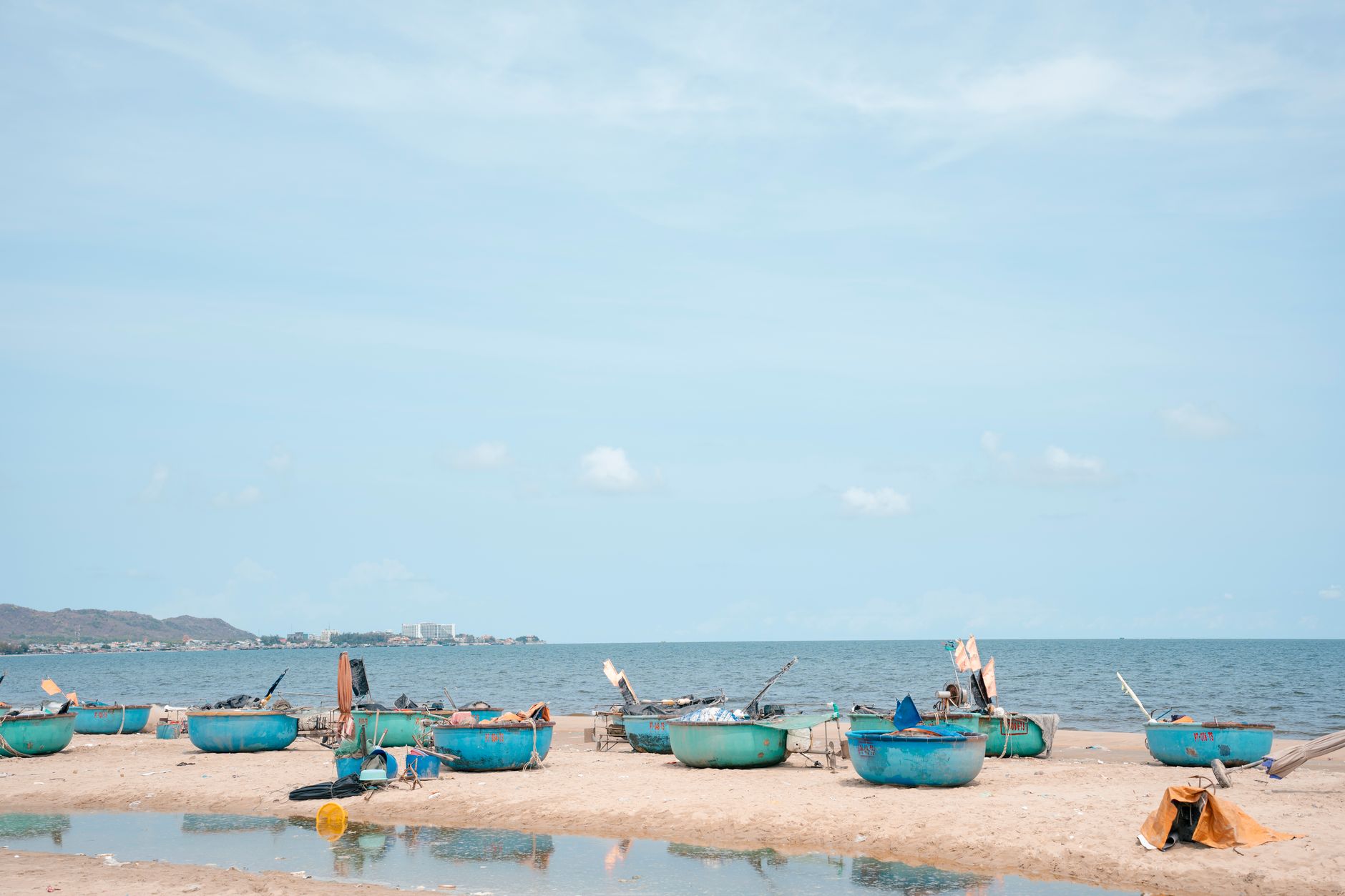
Mauritania has become a key departure point. Migrants from Senegal, Mali, Guinea, and other countries travel overland to reach its coastline, then board overcrowded wooden fishing vessels in hopes of making it to European soil. The journey can take more than a week. Water runs out. Engines fail. People fall overboard.
“Every week we are recording new tragedies on this route, and yet the crossings continue because people feel they have no other choice,” said a UNHCR spokesperson.
144 lives — and what that number means
144 dead or missing. That figure covers confirmed fatalities and those still unaccounted for — people whose families likely don’t yet know whether they’re alive or drowned somewhere in the Atlantic.
UNHCR has repeatedly called on governments to expand legal pathways for migration and to fund search and rescue capacity along the route. Neither has happened at the scale the agency says is needed. Still, boats keep leaving.
What comes next
European and West African officials have been in discussion for months over deals aimed at curbing irregular migration. Spain has invested heavily in surveillance and patrol agreements with Mauritania and Senegal. But critics argue that border enforcement alone won’t stop people fleeing poverty, conflict, and climate-driven food insecurity.
UNHCR says it’s working with local authorities to identify survivors from last week’s wrecks and provide emergency assistance. The agency is also attempting to notify next of kin — a process that can take weeks and sometimes never reaches families in remote areas.
With West African migration season typically peaking in the cooler months between October and February, aid groups warn the death toll along this route could climb significantly before conditions improve.