Venezuela earthquake: women’s healthcare crisis deepens one month on
One month after twin earthquakes struck Venezuela, thousands of women and girls are still struggling to access basic reproductive healthcare and protection services, the UN’s sexual and reproductive health agency UNFPA warned on Friday.
A crisis that didn’t end with the tremors
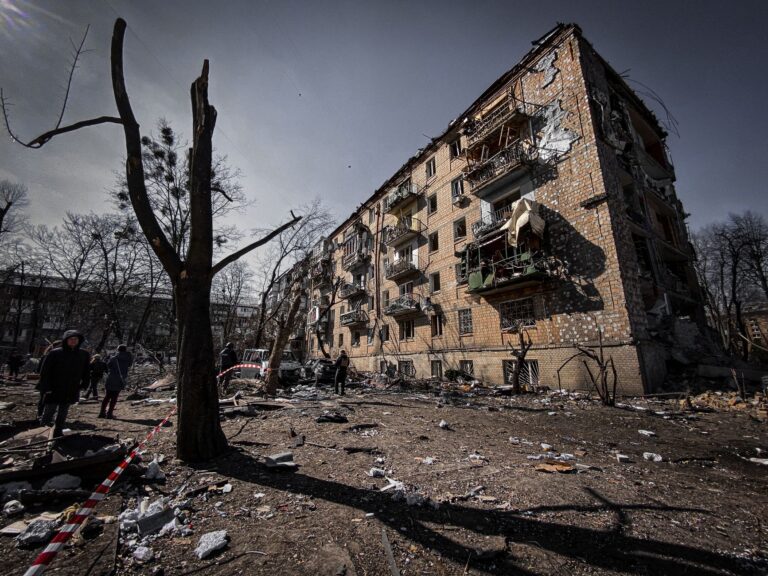
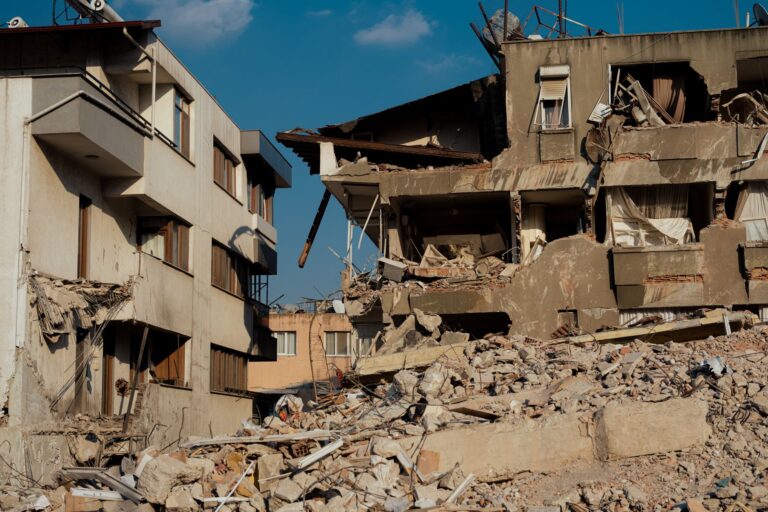
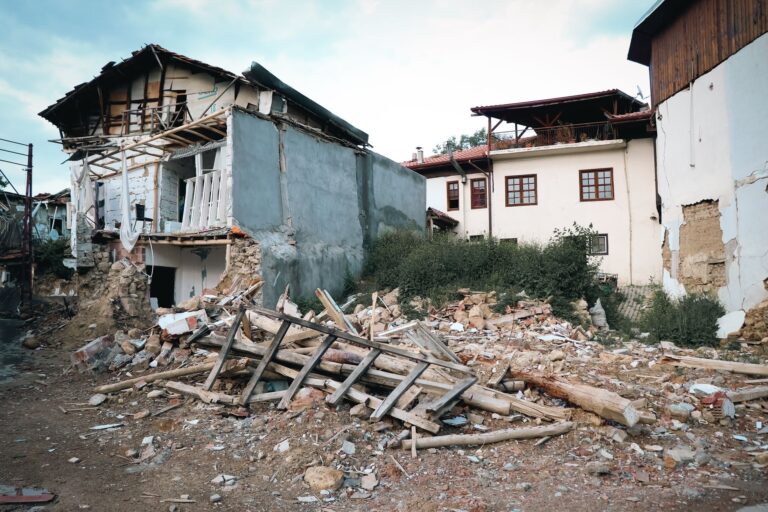
The 7.3-magnitude quakes that hit eastern Venezuela on August 21 killed at least 33 people, displaced tens of thousands, and left large stretches of health infrastructure in ruins. But for pregnant women and new mothers, the disaster created a second, slower emergency — one that’s still unfolding. Clinics are damaged or overwhelmed. Roads remain impassable in some areas. And many women simply can’t get to the care they need.
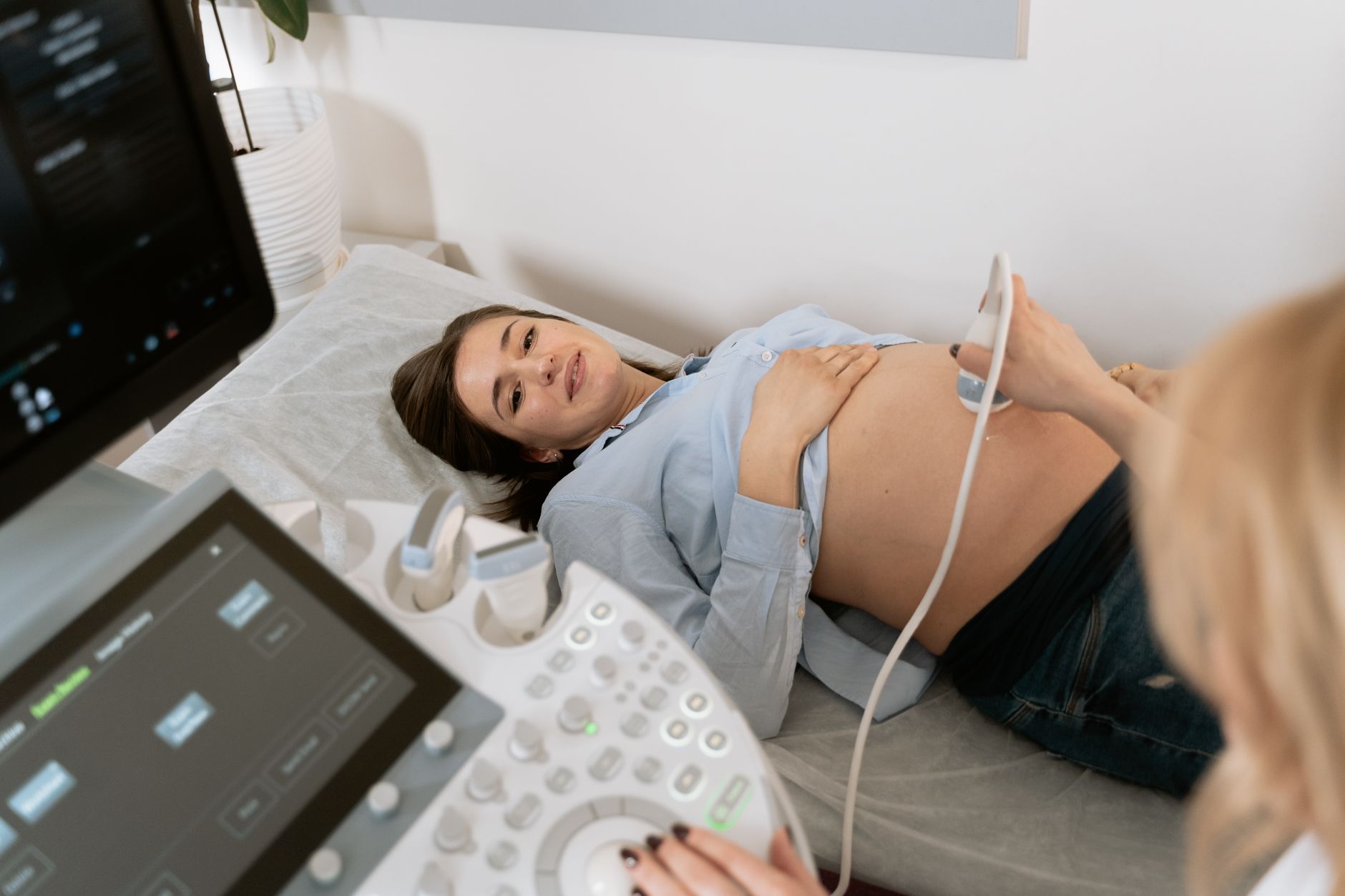
UNFPA estimates that among the roughly 1.1 million people affected by the disaster, around 250,000 are women and girls of reproductive age. Of those, approximately 23,000 are pregnant.
‘They don’t stop giving birth in an emergency’
A senior UNFPA official put it plainly. “Women do not stop giving birth in an emergency,” she said. “They don’t stop experiencing complications. They don’t stop needing protection. The earthquake lasted seconds. The needs of these women and girls will last months.”
That’s a reality aid workers are confronting daily. UNFPA has deployed mobile health units and set up safe spaces in displacement camps in the states of Sucre and Monagas, the hardest-hit regions. Since the quakes, the agency says it has supported over 3,400 medical consultations, distributed more than 600 dignity kits, and helped staff eight functioning delivery points.
Still, the gaps are significant.
Protection risks are rising
Beyond physical health, officials are raising alarms about gender-based violence. Displacement camps, makeshift shelters, and disrupted community structures create conditions where women and girls face heightened risk. UNFPA says its teams have identified cases requiring emergency support, though exact figures are difficult to verify in areas with limited access.
Venezuela’s pre-existing humanitarian crisis — years of economic collapse, mass emigration, and a crumbling public health system — has made recovery significantly harder. Many of the clinics damaged by the earthquakes were already operating far below capacity. Some had no running water or reliable electricity before the first tremor struck.
What comes next
UNFPA is calling for an urgent surge in funding to scale up operations over the coming weeks. The agency says it needs at least $4.5 million to maintain mobile health services, expand psychosocial support, and keep safe spaces running through the end of the year.
Aid organizations are also pushing for better coordination with Venezuelan authorities, who have at times restricted independent humanitarian access in affected zones.
For the women living in tents and temporary shelters across Sucre and Monagas, the timeline of international response isn’t abstract. Babies don’t wait for funding appeals to clear. Due dates don’t shift because a road is blocked. And one month after the ground shook, the urgency of their situation hasn’t faded — it’s deepened.